Arthur Wyatt and Dave Baillie are near contemporaries who, after making their debuts on the British small press comics scene, went to become top flight creators for 2000AD and the Judge Dredd Megazine. Dave has since also found work at DC Comics (for their highly regarded Vertigo imprint) and Titan Comics (scripting Penguins of Madagascar tie-in strips).
Both kindly took time out of their busy schedules to chat with Matt Badham for downthetubes about crafting comics that go bump in the night….
I was amazed that so many styles and approaches were possible within the creative confines of one-shot ‘spooky stories’. What are your thoughts on that with reference to your own work and indeed the work of others, from both within and outside the world of comics?
Arthur Wyatt: “The oldest emotion is fear”, as someone once said, and its certainly something that’s been wired into our brains from the earliest times, and spooky stories are some of the earliest stories, in comics and other mediums.
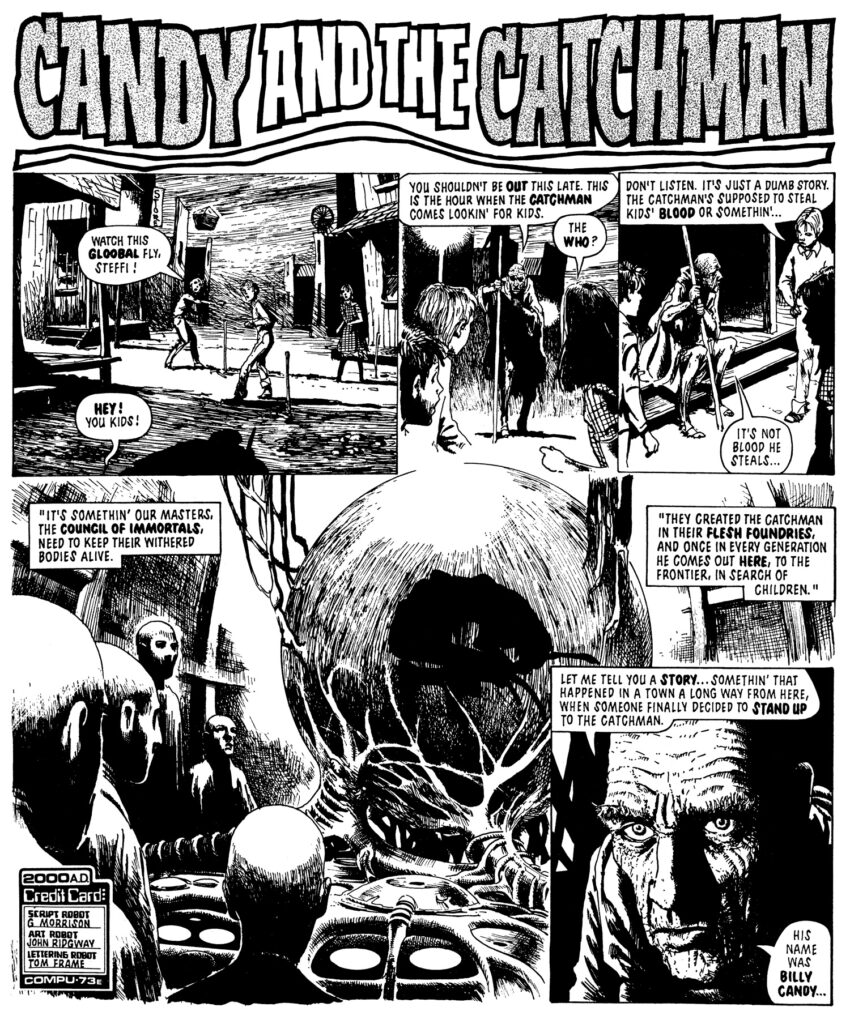
2000AD’s always leaned into its Sci-Fi themes but that doesn’t mean it hasn’t had horror elements from the start – I remember being particularly creeped out by “Candy and the Catchman” by Grant Morrison and John Ridgway, which I think ran as an unbranded one-off before “Terror Tales” were a former thing.
And part of why they’ve persisted so long is they can be so flexible and take so many forms. The first few “Terror Tales” were relatively straight horror, but when Gordon Rennie and Frazier Irving brought it back a few years later, it was as full-on EC horror pastiche, complete with Zombie Tharg as a host, and since then we’ve had numerous ones, ones with sci-if elements, ones with a hard-edged crime element… there’s a lot you can do with it, and it often doesn’t take many pages to tell a story that really sticks with you.
David Baillie: Comics can be a tricky medium because sometimes, as a writer, you script in one style or mode, and the artist goes in a completely different direction. The artist spends far longer with every page than the writer does, so this is, I should be clear, absolutely the artist’s prerogative!
While I do enjoy the chaos of waiting to see how an artist has interpreted my mumbled words, I also really enjoyed writing “Terror Tales” or “Black Museum” stories, because the intent is explicit, and while I can’t predict what the final art will look like, I know that we’re definitely going to be pushing in vaguely the same direction, because the aesthetic is baked into the format.
But within that one basic shape, all sorts of styles of storytelling are possible, and I suppose it’s like that advice often given to writers to lock down some aspect of the job to allow creativity to burst out in other directions. You know, make every page a nine panel grid, that sort of thing.
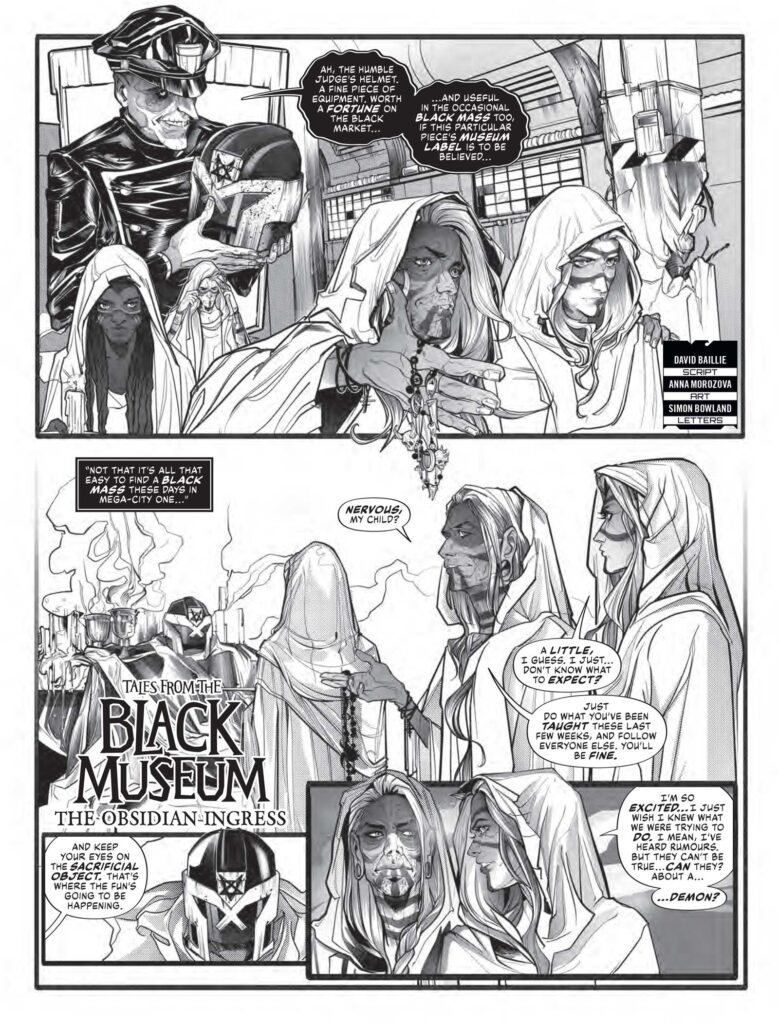
If you look at Joel Carpenter’s “Unfortunate Case of High Altitude Albert” [Judge Dredd Megazine 317], and compare it to Anna Morozova’s “Obsidian Ingress” [Judge Dredd Megazine 348/423], you’ll see what I mean – a black and white ten page horror story set in the Dredd Universe can look like anything – it’s a huge landscape!
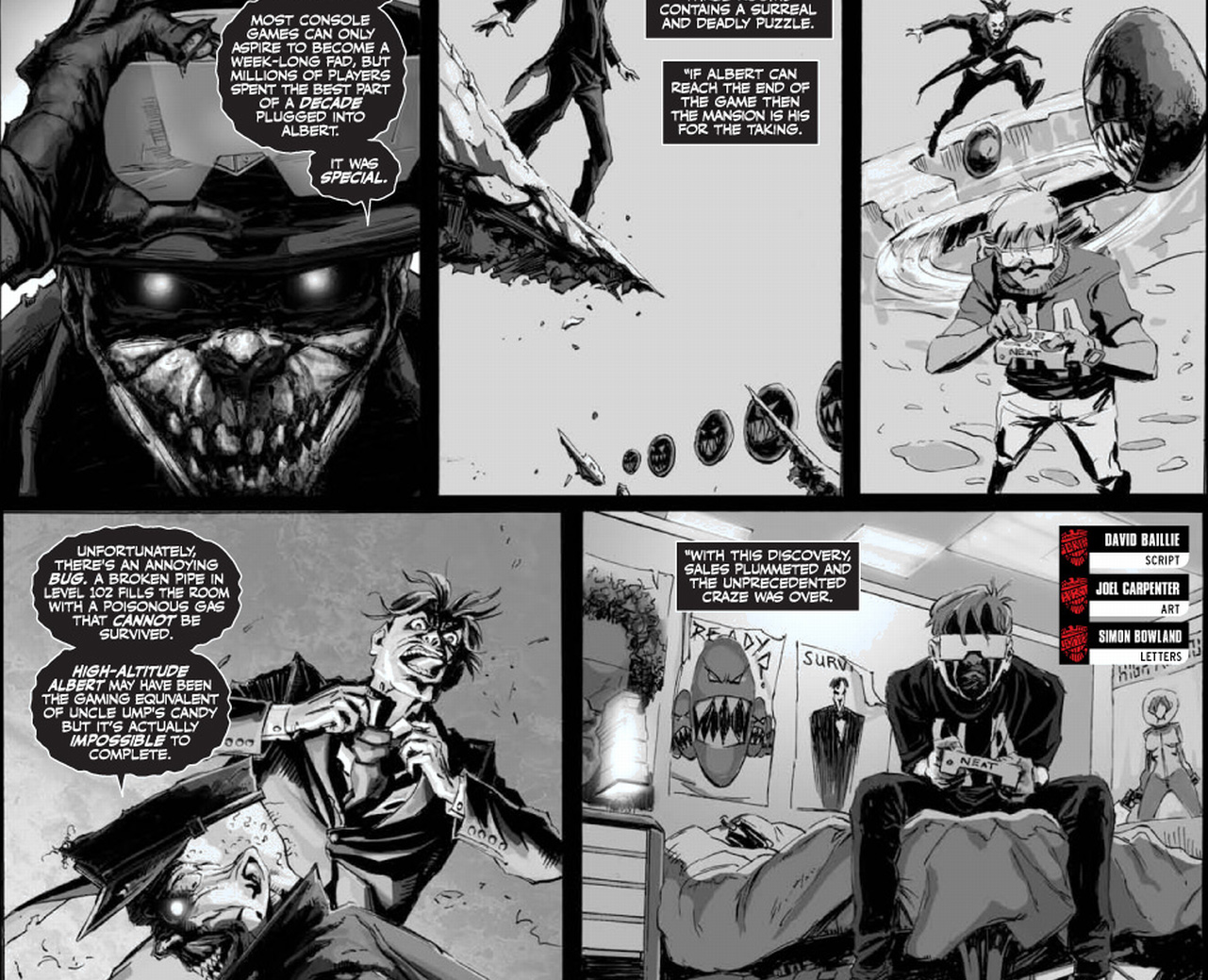
In terms of story, with “High Altitude Albert”, I really wanted to write a Dredd pastiche of the incredible life of Matt Smith – the programmer of the 1980’s Jet Set Willy computer game. The other Matt Smith (Tharg) immediately spotted this thinly veiled SF biography and suggested turning it into a haunted house story instead, which I think ended up being much more interesting.
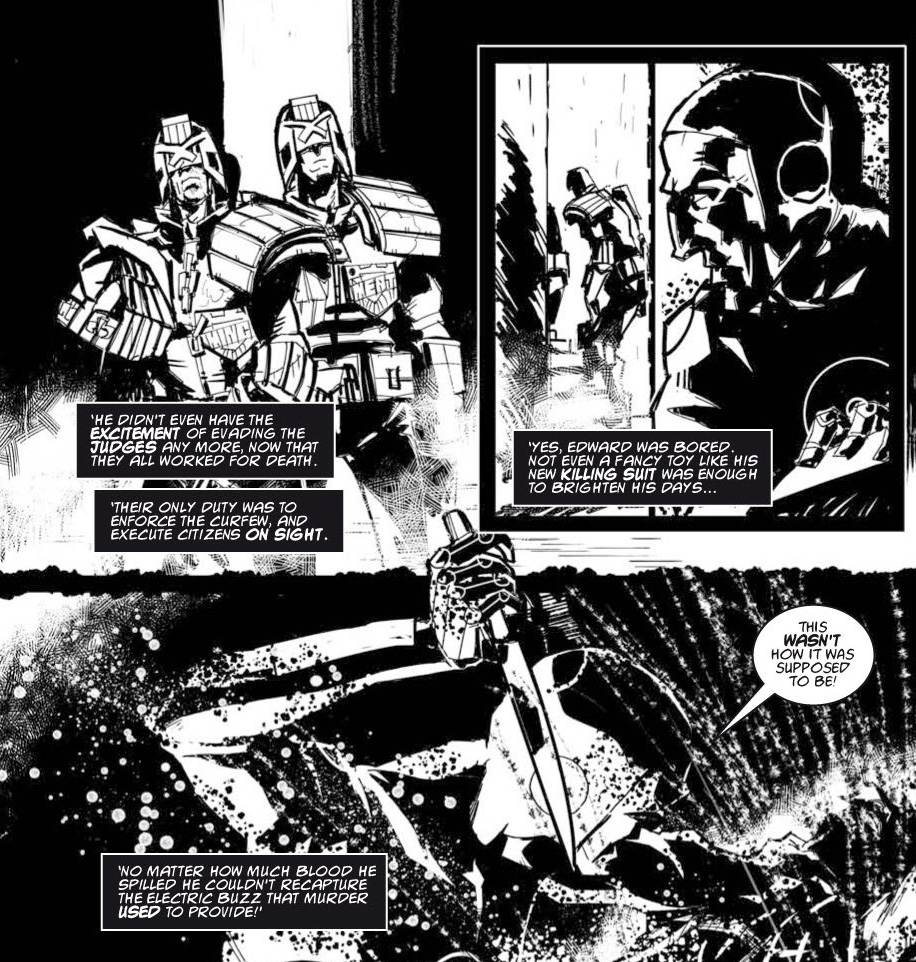
In “And Death Must Die” [Judge Dredd Megazine 348] I really, really wanted to tell a story set during the Necropolis years, and even found the original page from “Necropolis” where I wanted my tale to begin. Jake Lynch drew that one, and it looks like it’s carved in ink into the pages of the Meg.
For “Obsidian Ingress”, I started with a title (which was actually “Dead Judges Don’t Wear Helmets”) and formed that story around that. I was aiming for a noir, sliding into an occult thriller – and Anna absolutely nailed it.
You’re right, there’s so much scope for variation, even within this seemingly narrow format!
What’s the furthest you’ve ever pushed the envelope of horror?
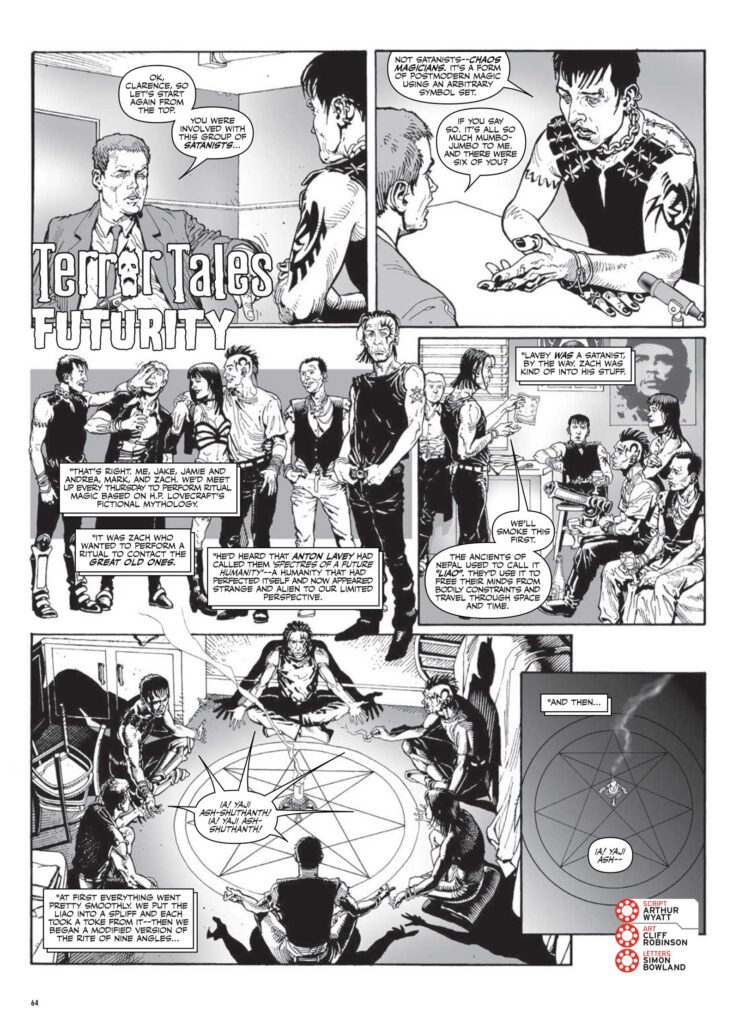
Arthur: I don’t know if I’ve even gone in for full-on, pushing the envelope horror, so much as interesting creepy vibes and unsettling implications, with the odd old fashioned moment of splatter punk gore, and this feels a little like tooting my own horn, but the story I’ve written that sticks with me a little is probably “Futurity” [2000AD 1599]… I think that’s the closest I’ve come to nailing the icy bleakness of cosmic horror, with a horrible but inevitable future invading the past to mess with it.
David: I don’t think I’ve pushed the envelope very far with my forays into horror – I’m probably too concerned with recreating the sensations I’ve felt myself when reading my own favourites. That’s probably true of a lot of my writing actually. I’ve tried to be original, presenting characters, situations or settings that I haven’t seen before… But I’ve probably left the envelope pretty undaunted!
And can you think of any other examples of genre-bending in horror that our readers should check out?
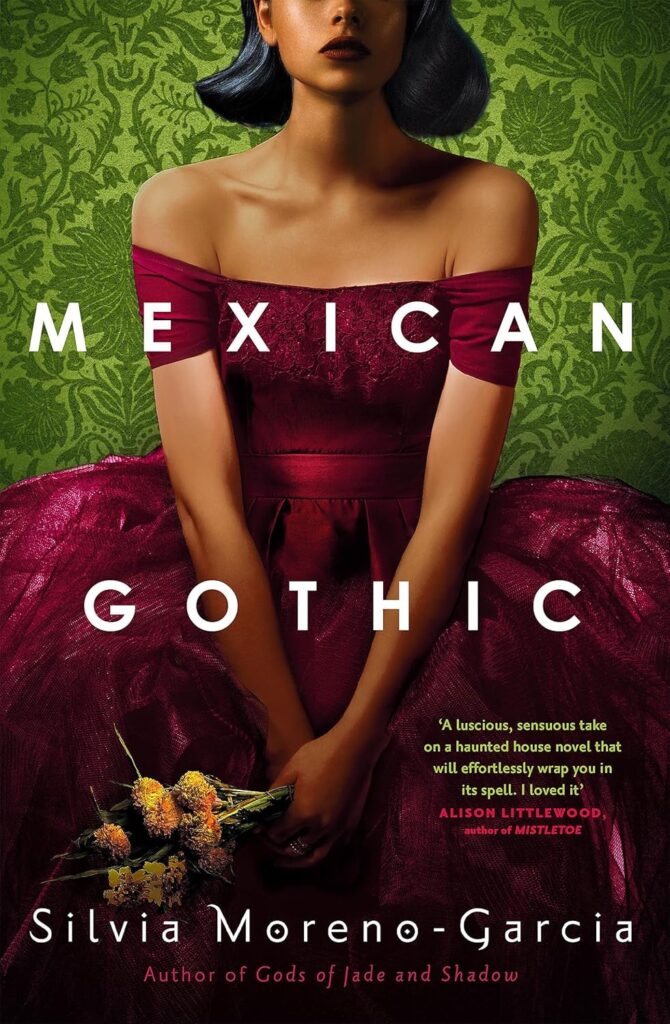
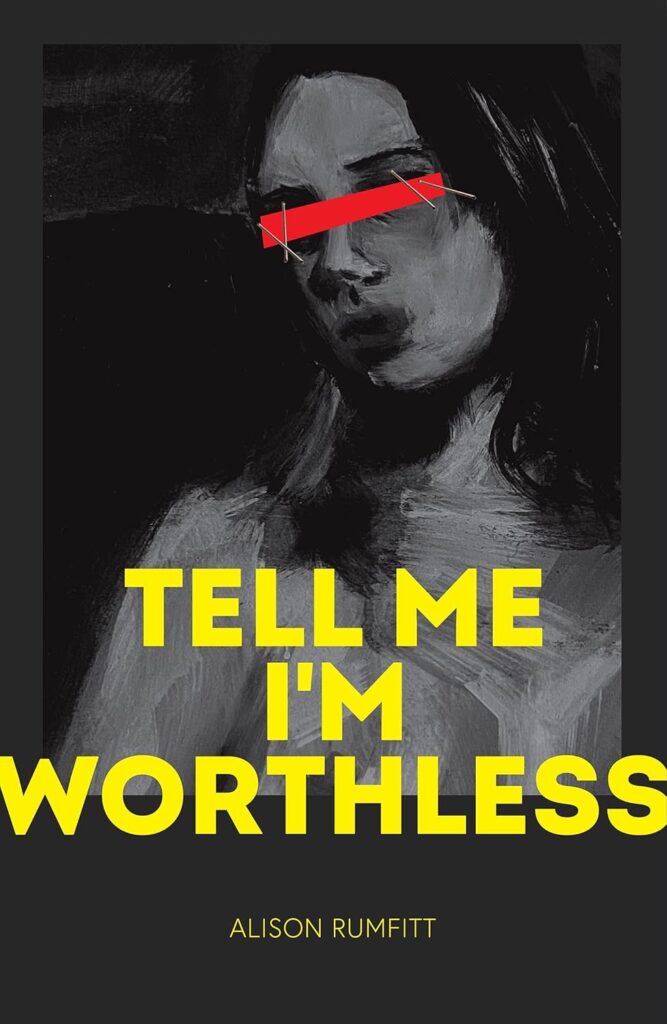
Arthur: The last couple of horror books I read were Mexican Gothic by Silvia Moreno-Garcia, which was great, and old fashioned haunted house with a really cool twist, and Tell Me I’m Worthless by Alison Rumfitt, which was really impactful – the author put a content warning at the beginning of the book which, regardless of how you feel about content warnings I’d pay attention to, because it goes super hard. Some of it reminds me of John Smith when he’s in social horror mode.
Oh, and in comics, Alex De Campi and Erica Henderson are doing some great stuff right now. Dracula, Motherf*****! is this great lurid 1970s take on what happens when the brides of Dracula strike out for independence, and Parasocial delves into the most horrifying places of all… online and fandom conventions.
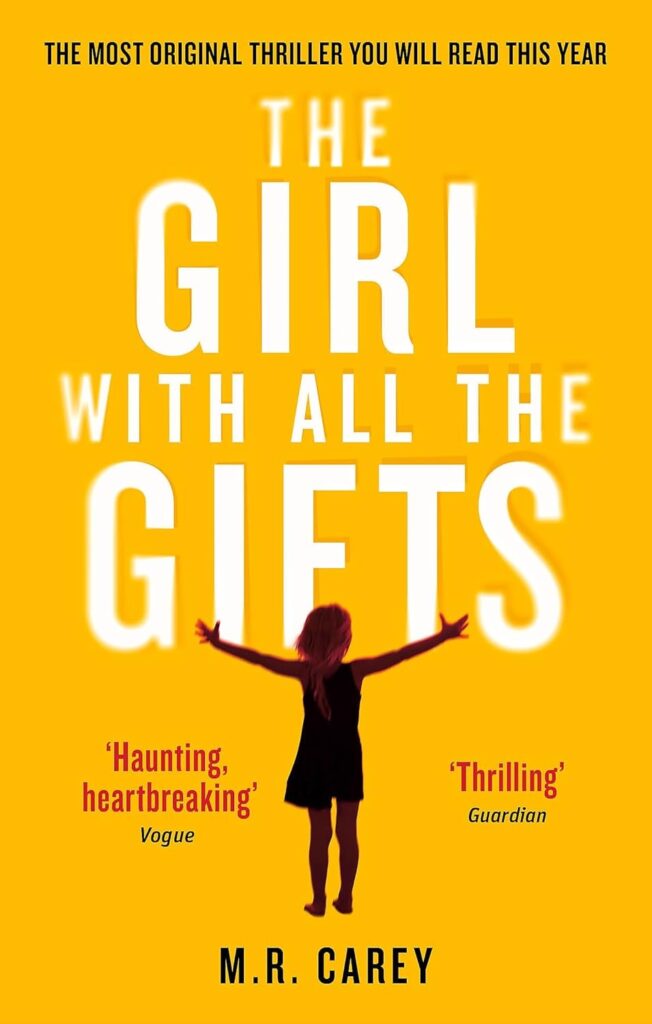
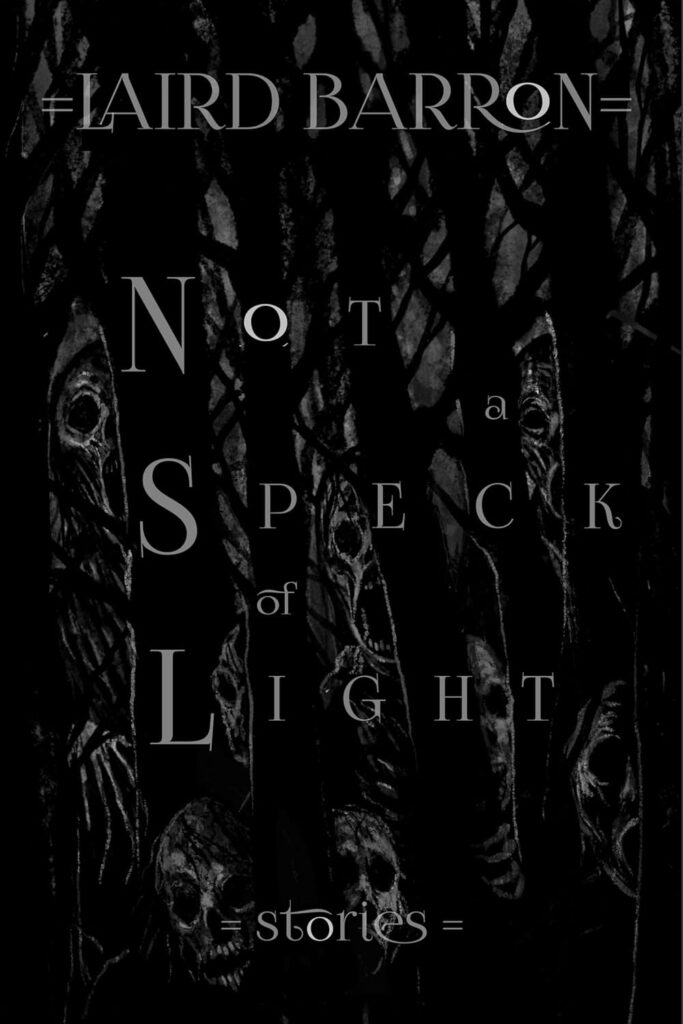
David: I think Laird Barron and M. R. Carey have done some wonderful blending of various types of horror, as well as squishing together the Fright Stuff with other genres like SF or noir. Mike’s The Girl With All The Gifts comes to mind first, as well as some of the fabulous stories in his complete short stories (which I’m devouring at the moment!)
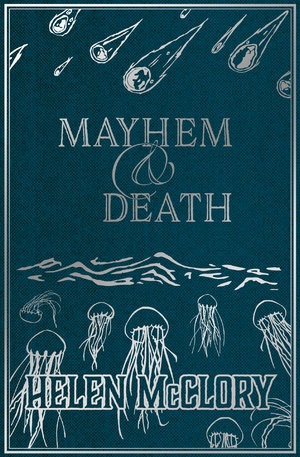
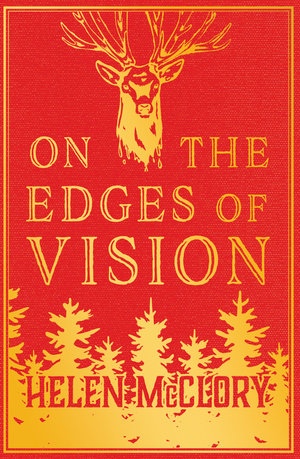
I’d also recommend checking out the work of Scottish writer Helen McClory. We worked together on a TV project last year and I really enjoyed catching up with her genre-hopping back catalogue, which features amalgams of horror, gothic horror and surreal fantasy.
I’ve been on a bit of a folk horror bender for the last year or so, and I love seeing that genre folded into other types of story – when it works, it really works.
Your mention of “Futurity” makes me think of the importance of artists when it comes to horror comics. Cliff Robinson’s work on that short is so compelling: his clean, crisp line and representational style absolutely sells the weird, Lovecraftian story (set in the present day) that you are telling. Plus, the body horror is chillingly and exquisitely realised.
Your thoughts on the importance of art in horror comics?
Arthur: Hugely important. That’s true with all comics of course – the art sells the story and is inseparable from it, but with horror in particular everything is so dependent on mood and tone.
Those old EC stories that Gordon and Fraser were calling back to, they’ve stuck in the worlds imagination for a long, long time, not because of the writing, which had its heights but was often rudimentary and repetitive compared with todays standards, but because of that glorious, glorious art.
Prose horror utilises the unlimited budget of the reader’s imagination. Film and TV can use jump scares and fast cuts or linger on an image. Audio can build atmosphere with sound FX, use discordant sounds and unsettling music and has the unlimited budget, again, that is the audience’s mind.
David: Without art my script is just a bunch of poorly formatted words!
I was looking at “The Crow Gifts” [2000AD 1958] for something a few months ago, it was a four page “Terror Tale” I did with an American artist called Joshua George, and I went back and looked at the original script. While I did my best to use visual and descriptive language, Josh did such a great job of creating a unique world – inventing tech and landscape for it to live in, that I feel like I should have sent him some of my writing page rate!
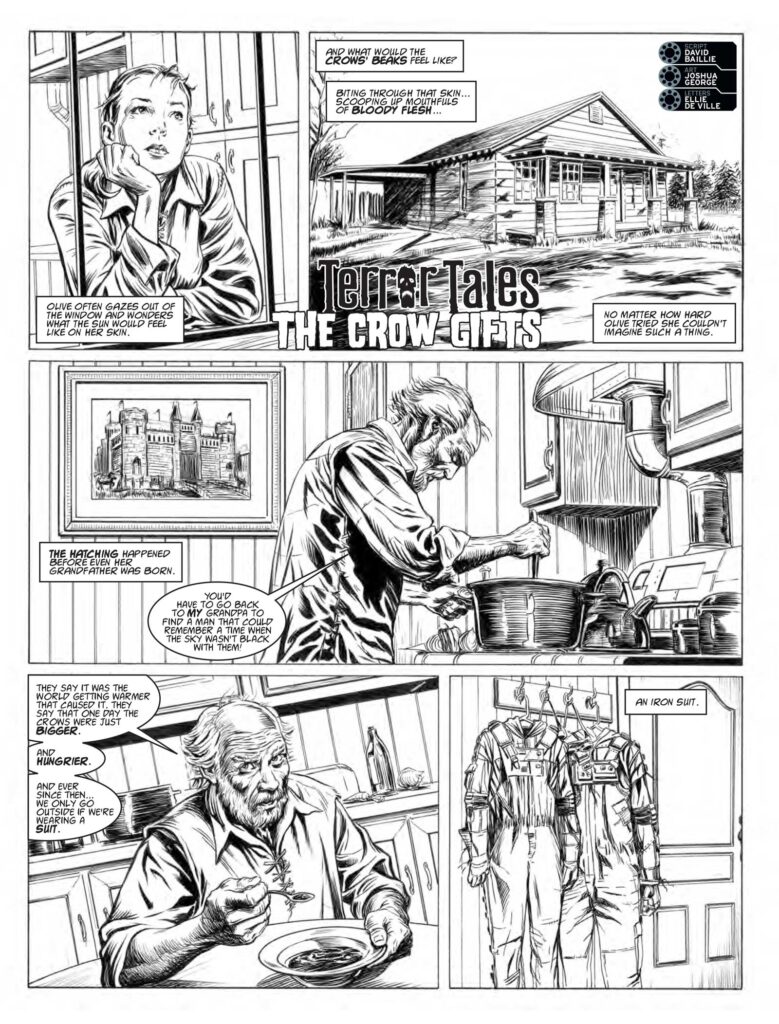
As I said earlier, comics is a strange medium to work in because you do your chunk of the job and then you hit SEND and your script leaves your house like a whisper on the wind. You lose control over the story – which is thrilling and magickal, but also sometimes quite humbling.
What narrative tools do comics have that work for horror?
Arthur: Jump scares sure are a lot harder to pull off with static images. And when a story has only a few pages and you can’t predict the facing of the page it starts on, you can’t even use page turns to similar effect.
David: I think it’s the static image that gives comics its immense power when working in horror.
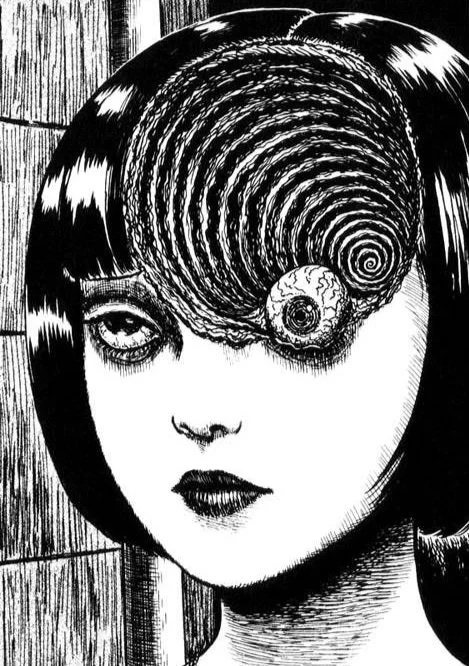
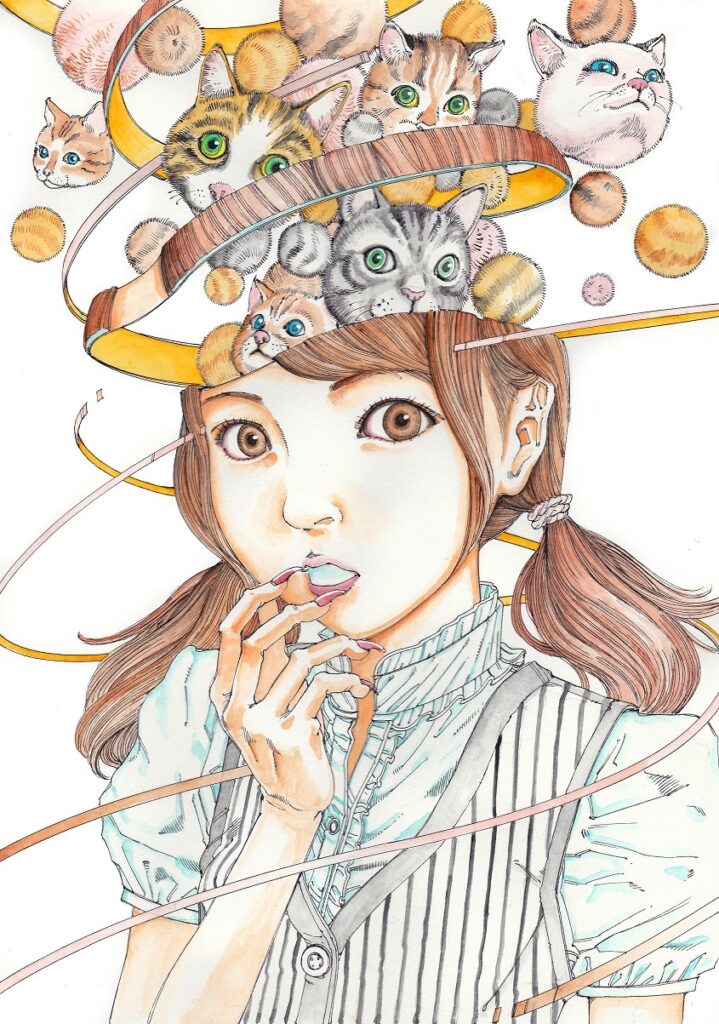
The eye hits the next panel and the reader decides how long it lingers there. That offers something that no other medium does – it’s not the same as hovering over the end of a sentence in a book, or pausing a DVD – it’s its own thing, and works in an entirely unique way. And it happens again and again with Shintaro Kago, Junji Ito and in the 2000AD work of John Smith and Edmund Bagwell – a revelation or visual beat that makes you stop: stop reading, stop breathing, stop thinking. That, for me, is the essence of horror in comics – and I’m delighted as a reader when I hit those moments.
So you have to work on the back of peoples’ minds a little more. Creeping dread. Implications.
Arthur: Heavy use of captions has fallen out of favour a little but a horror short is one area where I think it can be appropriate to Alan Moore the heck out of it. Not supplanting the visual element, but working with it to build mood and tone. There’s a trick Alan Moore often pulls that also works great – the use of captions that disagree with the images or go off in some other direction, often to the point where you can have one story in the panels and one in the captions playing off against each other. That’s pretty much exclusively a comics trick.
Another thing I like to do in short pieces is try and treat it as a fragmentary view into a larger world, so though you’re getting a complete story you get an impression of things around it and things beyond. A little room around the edges for the reader to dream up their own horrible implications.
David: Creating an itch and then not scratching it – that’s the game! And I think it’s how both horror in general and comics as a medium both work. Getting to do both at the same time is just a bonus.
Considering comics as a visual medium, how often is imagery rather than an idea the starting point for your horror strips?
Arthur: Very, very frequently! A lot of them start from a single idea or moment and work out from that, and that seed is very often visual.
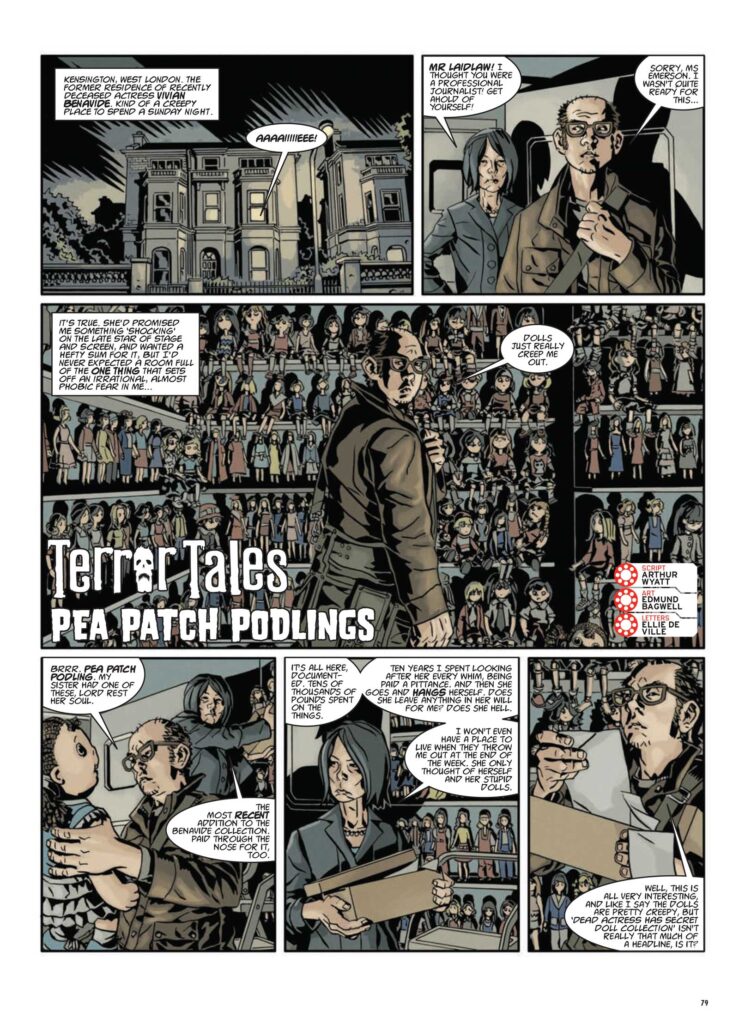
For “Pea Patch Podlings” [2000AD 1674], it was a combo of a visual idea and an old bit of 1980s satanic panic lore. I actually was visiting someone’s house and I went into the room with their doll collection without knowing what I was going to see and found it kind of creepy – it’s no sillier a thing to collect than a lot of Squaxx [2000AD fans] collect, but it left an impression and that room made it into the comic.
As I say the tabloid stories about possessed cabbage patch dolls was the other element, but I only put that into place after the doll room.
David: Weirdly, I think the stories of mine that originate as an image are less likely to find favour with a commissioning editor. I had one that started as a picture of a young guy in a medical setting, maybe a drug trial or something, surrounded by Lovecraftian millipede creatures. I liked the contrast of the sterility of the environment with the ickiness of the creatures – but despite trying a few times, I could never sell the resulting story.
And on the art front, RIP. Edmund Bagwell. The man was a genius…
Arthur: God yes. Hugely missed. Honestly, if there’s one recent artist who deserves a collection of their one-off work it would be Edmund. His work was immensely clear and precise while at the same time being hugely evocative, a difficult combo to pull off. I hope the small sample in the collection intrigues people enough to look up more of his work.
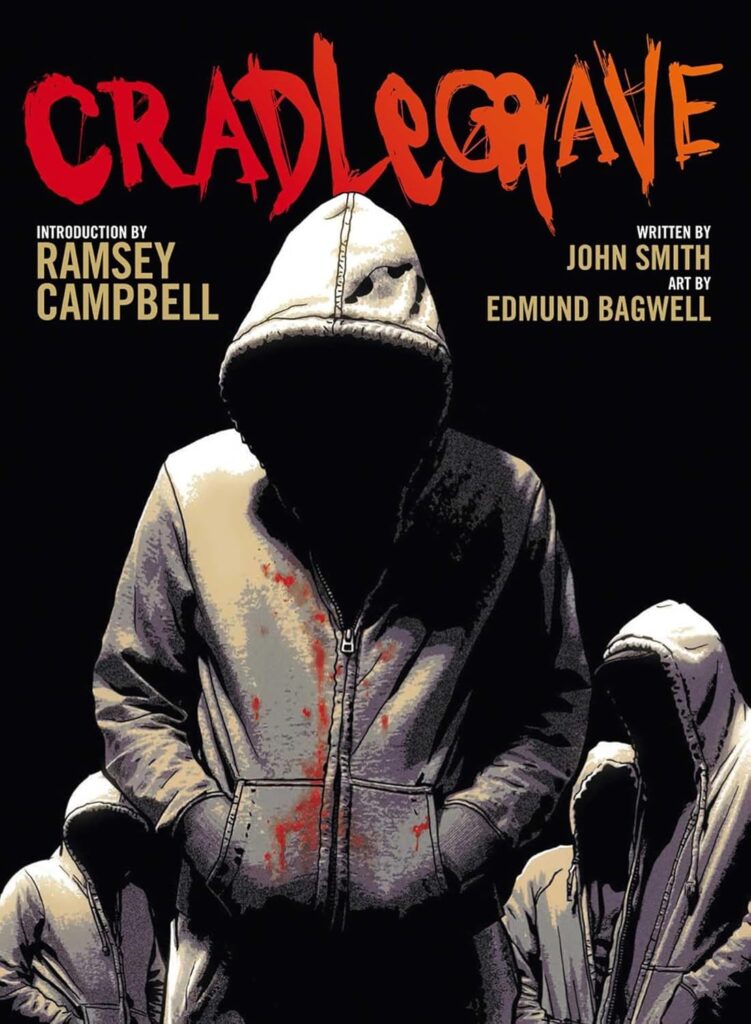
David: I re-read Edmund and John Smith’s Terror Tale, “Blackspot” and then Cradlegrave a few months ago, and I was totally blown away by how good they were – even better than I remembered. Talking about originality in horror – I think that precise combination of urban decay, hopelessness, creeping dread and oozing body horror was totally unique. It’s the sort of thing that would have set Fright Fest alight if it’d been a film.
I think his work also demonstrates what makes comics such a great medium for horror too – he deployed a whole bunch of tools to unsettle the reader that I don’t think would work in other media.
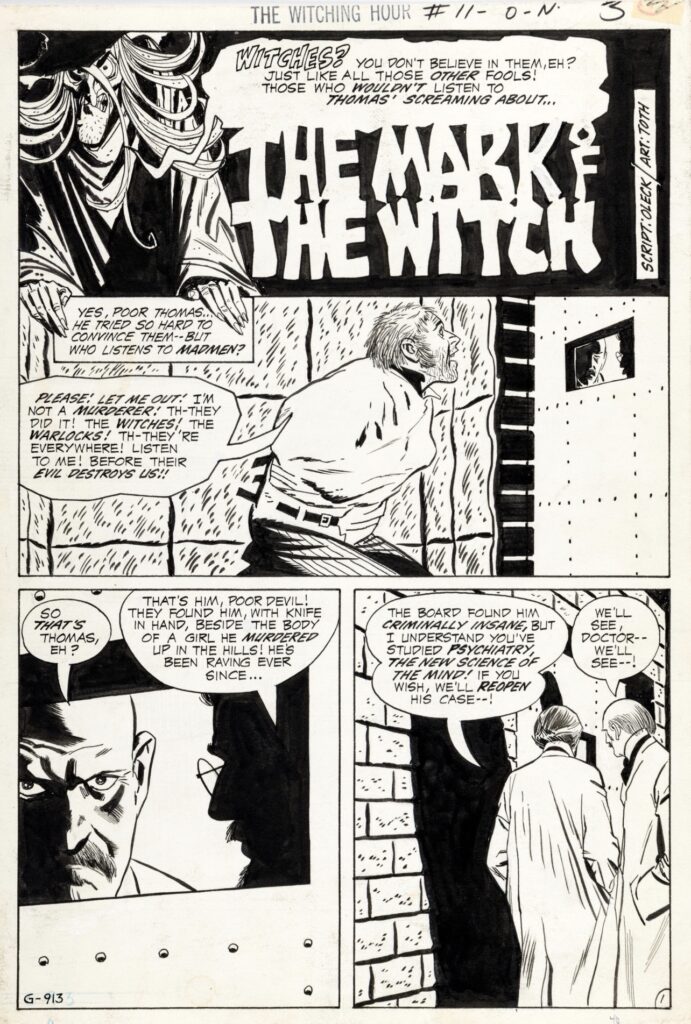
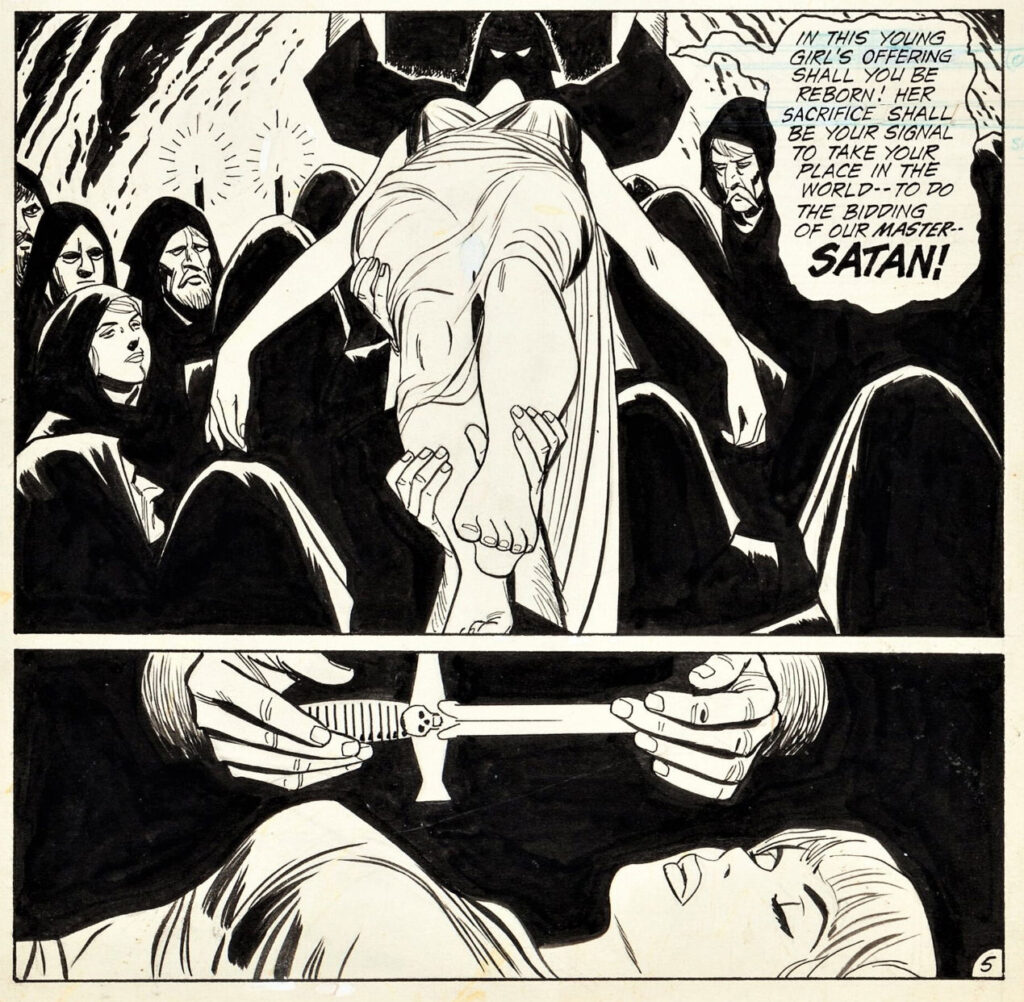
I’m an absolute sucker for well-used Chiaroscuro in a scary comic. I’ve been studying Eduardo Risso‘s use of shadow and lost edges, forcing the reader to fill in the blanks, and I’m convinced that if he wanted to be, he could be the greatest modern horror artist in the medium. I’m also an Alex Toth nerd – his work in the horror space was inhumanly good. He drew a story called “Mark of the Witch” [for DC Comics The Witching Hour, #11] that works better than it would in any other medium, because of what he leaves out.
But if you want to explore what makes comics a good venue for horror, I’d direct the reader towards the masters – Junji Ito and Shintaro Kago. Those two creators in particular prove that the medium still has some screams left in it.
You’ve both contributed to the “Tales from the Black Museum”. What differences/advantages are there when crafting a spooky story in a shared universe setting like that?
Arthur: “Black Museum” stories are a blast to write. You get some extra room (at four pages “Terror Tales” are super tight, “Black Musuem” are nine), you get a great old fashioned horror host to bookend things with for that EC feel, and if you’re using some aspect of the Dredd world a bunch of set-up is done for you. Obviously, you’re limited to whatever could happen in Judge Dredd’s universe… but guess what, that’s an incredible range of things, especially for horror… it’s got vampires, it’s got zombies, it’s got alien super fiends… the actual literal devil is rotting in an iso-block somewhere.
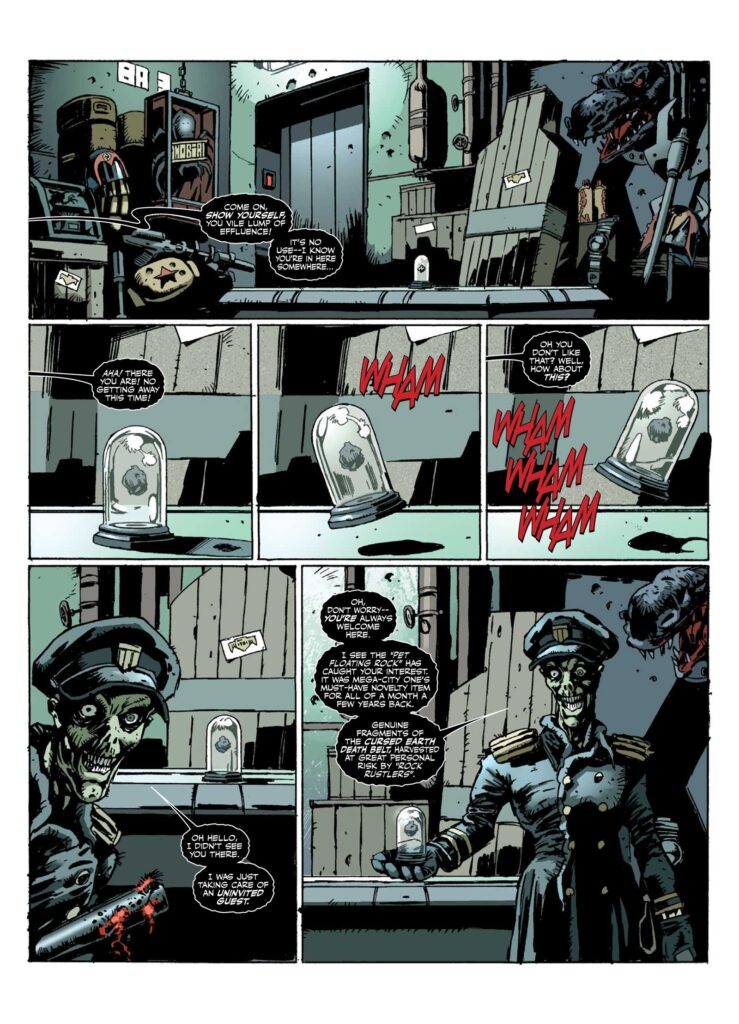
It’s possible to go overboard in a regular Dredd story falling back on old continuity and fan service – I’ve certainly pushed the line on that a few times on that, but “Black Museum” tales are practically designed for it – you can go wild, no limits. So most of mine ended up being riffs on existing stories, using bits of Dredd lore that I loved or that I thought I could put a neat spin on… so “Rat Runs” [Judge Dredd Megazine 286] took the flying rats from the Cursed Earth and mashed them with “Dead World” to produce a neat story that explains why we never saw those guys again, which is canon until someone tells me it isn’t. “Heart of Iron” [Judge Dredd Megazine 291] had a Sentientoid from the Apocalypse War, a robot design I’ve always loved. “Purgation” [Judge Dredd Megazine 299] was a “City of the Damned” riff… “City of the Damned” is a much maligned story I’ve always loved.
“The Shadow Over James Block” [Judge Dredd Megazine 289] went the other way – introducing a fun cult of fishmen as a bit of a Lovecraft riff that I was able to use in a follow-up Dredd story later. The two that got away are “The Haunting of Sector House 9” and “The Fear that Made Milwaukee” – two classic horror Dredd stories I absolutely loved. Maybe someday.
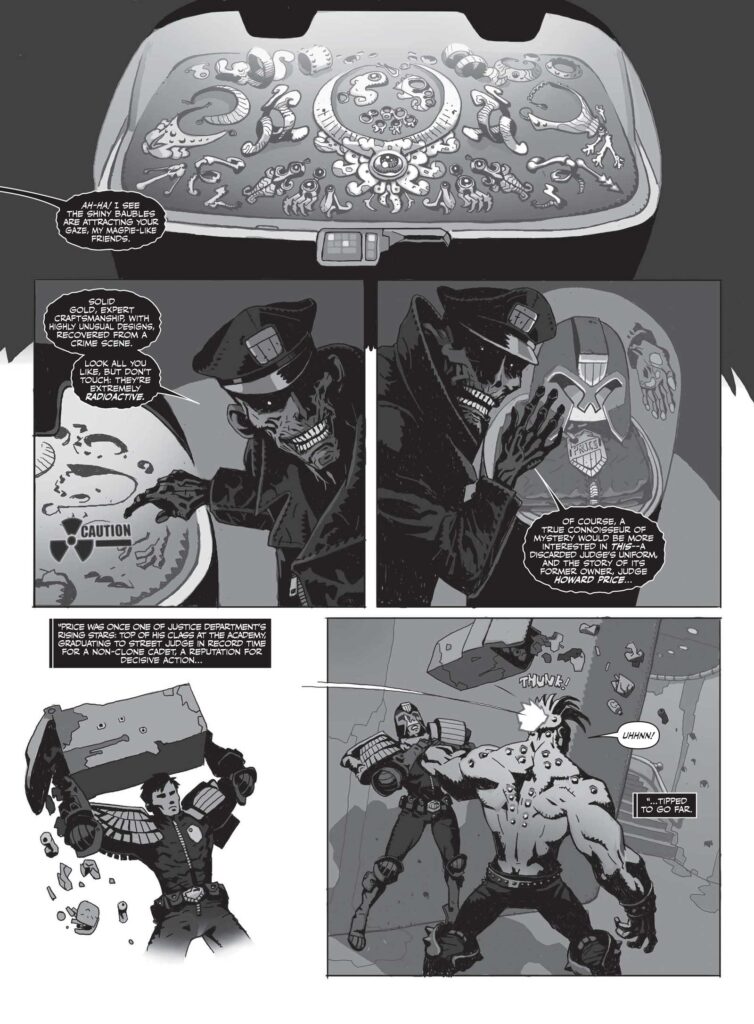
David: I love that Dredd and his universe are so elastic – you can tell a police procedural, a comedic romance or a werewolf story and there’s no danger of breaking the character of Dredd or his world.
Having a stream of tales all pushing in the horror direction is delicious, getting to throw a spooky context on situations, tech or people that we might have seen before – but in the daylight, or at the very least in the headlights of Dredd’s bike.
An artist contacted me a couple of years ago with questions about a previous story’s artefact, as he was trying to include as many as he could in the latest “Black Museum” strip. We’re putting actual things in a fictional museum in Mega City One – how cool is that?
Which of your own strips are personal favourites and why? (Or is it a case of them all being ‘your children’?)
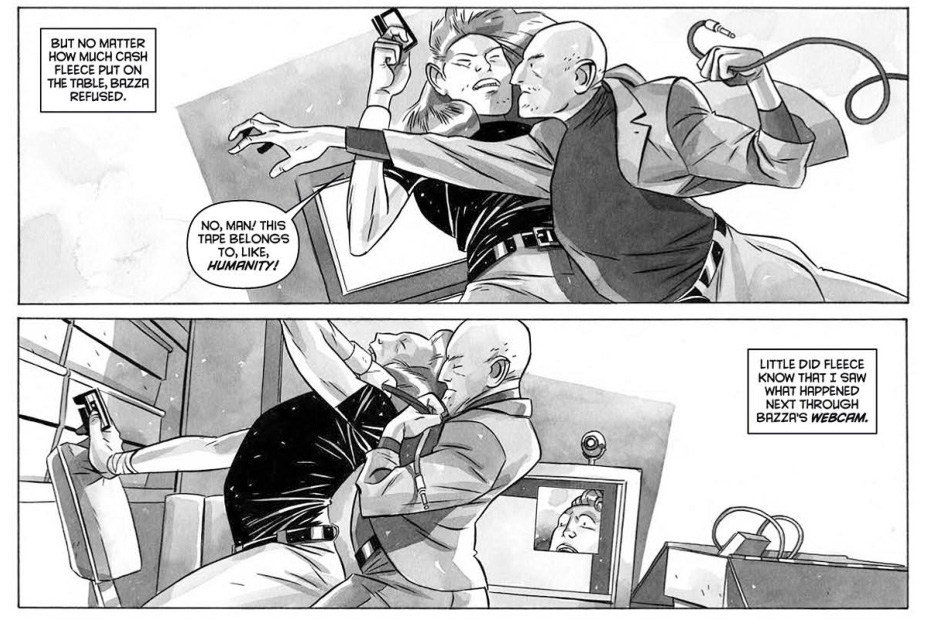
Arthur: In terms of one offs – “Natural Order”, with Edmund Bagwell again. Basically, me trying to throw an entire Nigel Kneale-esque sci-fi epic into five pages and with Edmund on the art and a lot of storytelling through media clips and the like, I think it works.
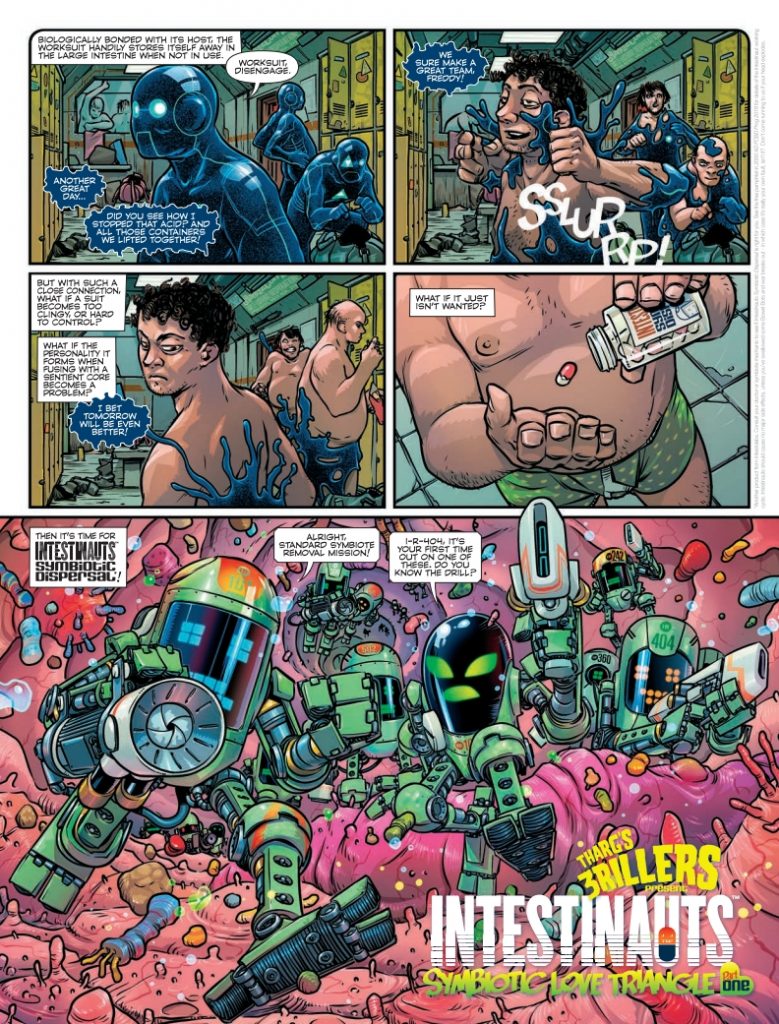
In terms of longer stuff, definitely “The Intestinauts”. Something about doomed romance amongst tiny hyper-commoditised robots fighting a war against gut parasites really seems to click for me, and I think it’s the thing I’ve done with the most “2000AD-ness” to it, whilst at the same time being pretty unique and its own thing. And it’s another story where I’ve been able to work pretty tightly with an artist, Pye Parr, and we’ve put together some really special pages that way that play with the comics form.
David: Well, once I get past seeing only my own failings, and things I would do better now, I actually really enjoying seeing my old work being reprinted, and must admit I do re-read them when that happens. Although I’m enjoying the synthesis of the art and story, rather than patting myself on the back… Hopefully.
But as for favourites, I know it’s a cliché but they kinda are all my kids.
I reread the heavy metal “Terror Tale” I did with Will Morris recently, “The Death Magnetic” [for 2000AD Prog 1836], and I spent a few minutes just marvelling at the panel where someone gets strangled – it’s so beautiful! So I’ll say that one today.
What projects are you guys currently working on and where can people find you if they want to look up your work online?

Arthur: Last year saw “A Better World”, a pretty big Judge Dredd story with Henry Flint and Rob Williams that drew together many of the plots threads Rob and I had been setting up over the last few years. Next year, we’ll be following that up with “The New Future”, continuing many of the same themes and plot lines – that’s going to be one you won’t want to miss.
Someday I need to overhaul my absolutely ancient personal website, but until then you can find links to most of the places I’m at online via Linktree – give me a follow on Mastodon or Bluesky.
David: As I write this, I’m easing my way into Autumn by working on some prose stuff I’ve been trying to find time to get to all year, before packing my bags and heading north for Thought Bubble.
I have a couple of comics projects which haven’t been announced yet, but I’m taking a break from social media, so new announcements will hopefully show up soon on on davidbaillie.net, or on quality comics news websites like this one here!
Massive thanks to Arthur and Dave for taking time out to share their comics wisdom with the readers of downthetubes!
And speaking of our readers: which are your favourite horror strips – and who are the comics creators that regularly make your spines tingle with terror? Please do tell us in the comments below…
Head downthetubes for…
• David Baillie is online at davidbaillie.net
Recommendations
Some links are AmazonUK Affiliates
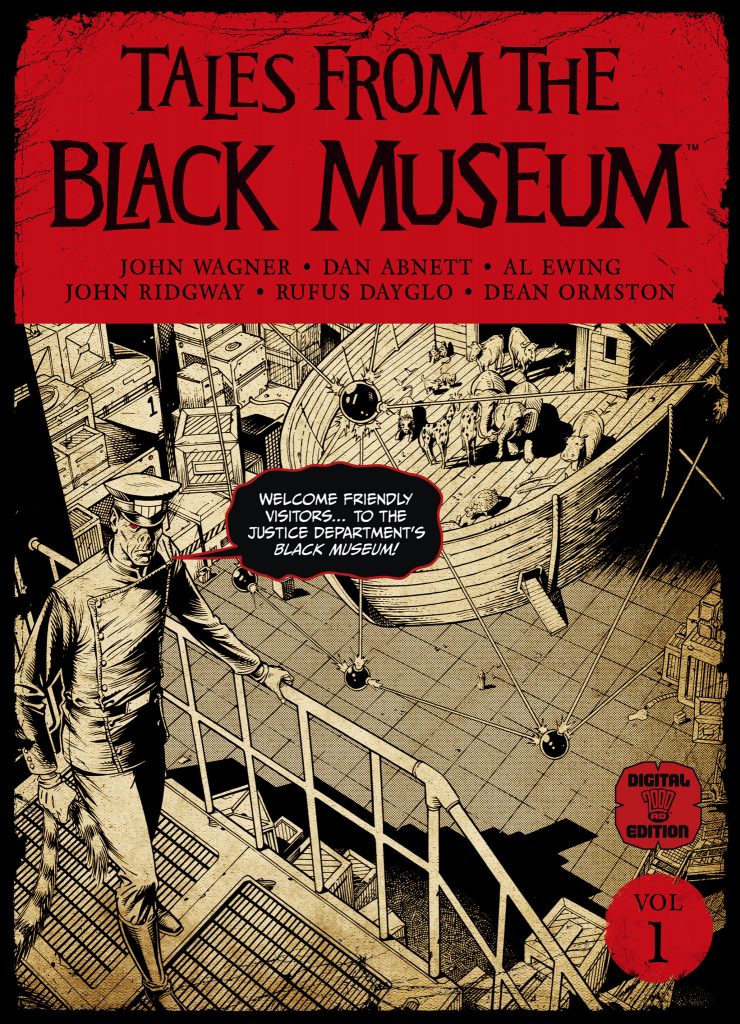
• Tales from the Black Museum Volume One – Digital Edition
Deep in the heart of the Grand Hall of Justice lies the Black Museum, Justice Department’s permanent exhibition of the relics from bygone crimes. Whether it’s a notorious serial killer’s trophies or the weapons of the Dark Judges, the violent history of the Big Meg is laid bare here.
This horror series set in the world of Judge Dredd features the very best writers and artists. This first collection contains chilling stories by John Wagner, Al Ewing, Dan Abnett and more…
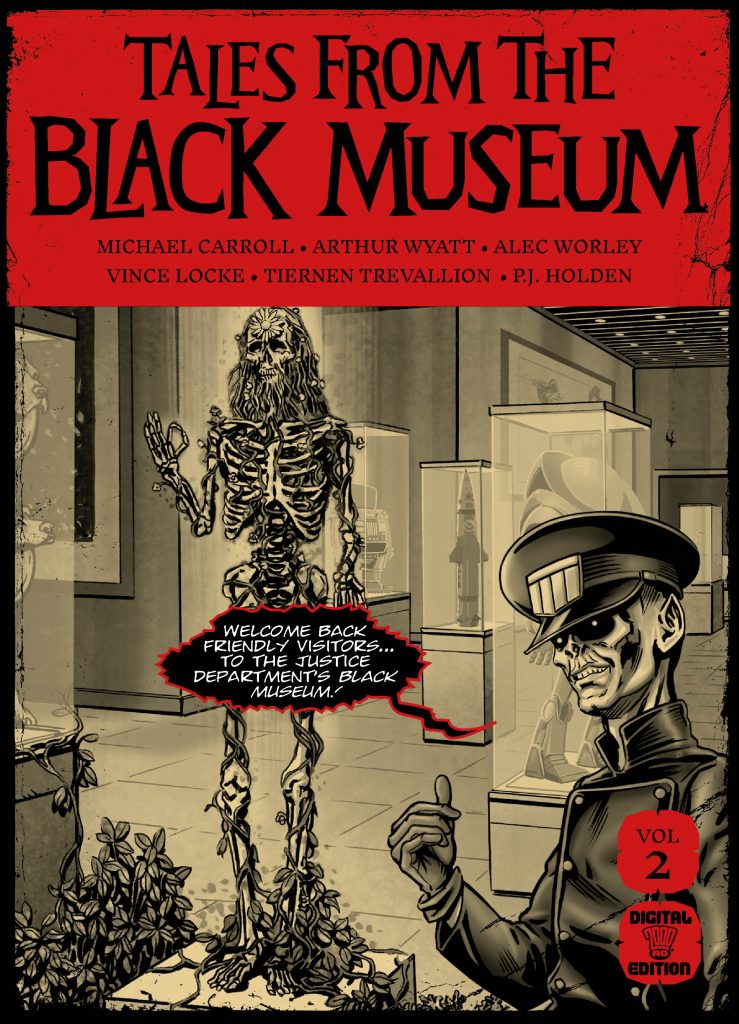
• Tales from the Black Museum Volume Two – Digital Edition
Welcome back, ghoulish guests, to the Mega-City One’s Black Museum, where relics from the most gruesome, horrific crimes are put on display. In this second volume of terrifying tales from the vaults, chilling creators Michael Carroll, Arthur Wyatt, Alec Worley, Vince Locke, Tiernen Trevallion, P.J. Holden and more take you through the grislest, most inexplicable crimes in the Justice Department’s history!
• “Candy and the Catchman” by John Ridgway and Grant Morrison is included in the 2013 collection, 2000AD Presents Sci-fi Thrillers – (AmazonUK Affiliate Link)
• Cradlegrave by John Smith and Edmund Bagwell (AmazonUK Affiliate Link)
After serving eight months at a Young Offenders Institution for arson, Shane Holt returns to his home on the Ravenglade Estate during a long, hot summer. Plagued by the ASBO generation, the estate has seen its fair share of problems but nothing comes close to the horror that lurks within Ted and Mary’s council home…
From the extraordinary mind of John Smith (“Devlin Waugh”, “Indigo Prime”) with art by Edmund Bagwell (“Tharg’s Future Shocks”), this contemporary urban horror is guaranteed to deliver the chills…
Further Reading…
• Mexican Gothic by Silvia Moreno-Garcia
Mexican Gothic is a 2020 gothic horror novel by Mexican Canadian author Silvia Moreno-Garcia. It centres on a young woman investigating her cousin’s claims that her husband is trying to murder her.
• Tell Me I’m Worthless by Alison Rumfitt
A dark, unflinching haunted house novel that takes readers from the well of the literary gothic, up through Brighton’s queer scene, and out into the heart of modern day trans experience in the UK.
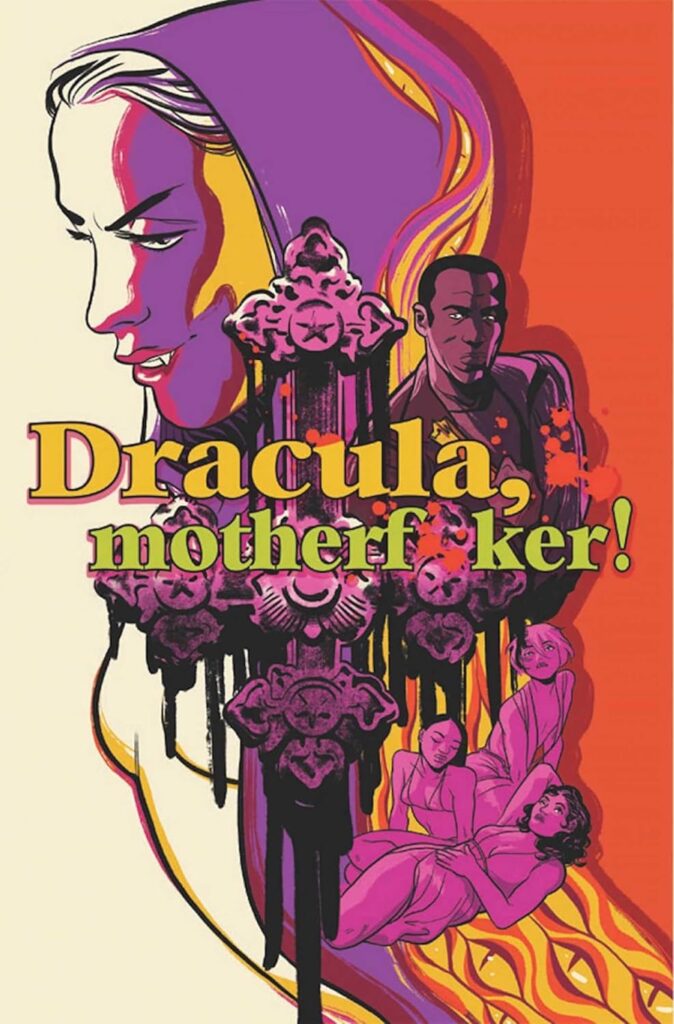
• Dracula Motherf**ker! by Alex de Campi and Erica Henderson
Vienna, 1889: Dracula’s brides nail him to the bottom of his coffin. Los Angeles, 1974: an ageing starlet decides to raise the stakes. Crime scene photographer Quincy Harker is the only man who knows it happened, but will anyone believe him before he gets his own chalk outline? And are Dracula’s three brides there to help him… or use him as bait?
A pulpy, pulse-pounding graphic novel of California psych-horror.
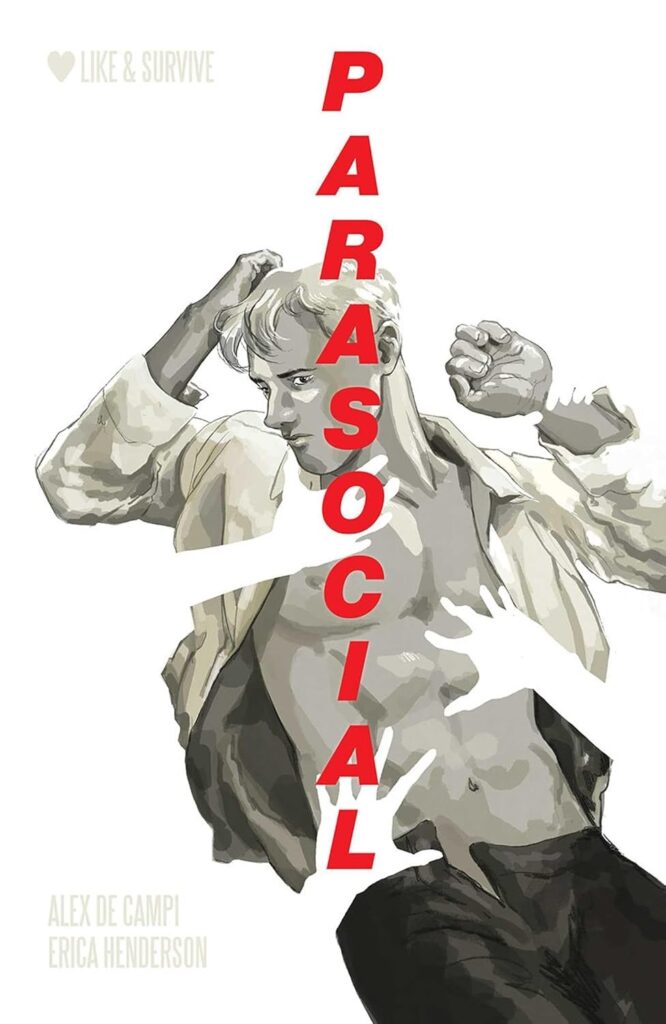
• Parasocial by Alex de Campi and Erica Henderson
In the middle of the pandemic, a fading genre-TV actor, fresh from his long-running series’ cancellation, collides with an obsessive fan at a Texas convention. When she lures him to her home, he’ll have to put on the greatest performance of his life simply to survive until morning. Unless, of course, he’s the real monster… Bestselling, critically-acclaimed duo Alex de Campi and Erica Henderson (Dracula Motherf**ker!) reunite for another stylish horror reinterpretation, this time the psychosexual thriller.
• The Girl With All The Gifts by M.R. Carey
NOT EVERY GIFT IS A BLESSING
Every morning, Melanie waits in her cell to be collected for class. When they come for her, Sergeant Parks keeps his gun pointing at her while two of his people strap her into the wheelchair. She thinks they don’t like her. She jokes that she won’t bite. But they don’t laugh.
Melanie is a very special girl.
All 2000AD and Judge Dredd Megazine page © Rebellion Publishing. Other images © respective creators or publishers
- About the Author
- Latest Posts

Matt Badham is a freelance writer. His work has appeared in the Judge Dredd Megazine, 2000AD and Big Issue in the North.
Categories: 2000AD, British Comics, British Comics - Current British Publishers, Comic Creator Interviews, Comics, Creating Comics, downthetubes Comics News, downthetubes News, Features
 Bones & Betrayals: A Chat with Andi Ewington, Erica Marks and Calum Alexander Watt