Author, publisher and SF book expert Phil Harbottle’s 1950s British Science Fiction series continues apace, with not one but two videocasts released – and another on the way very shortly.
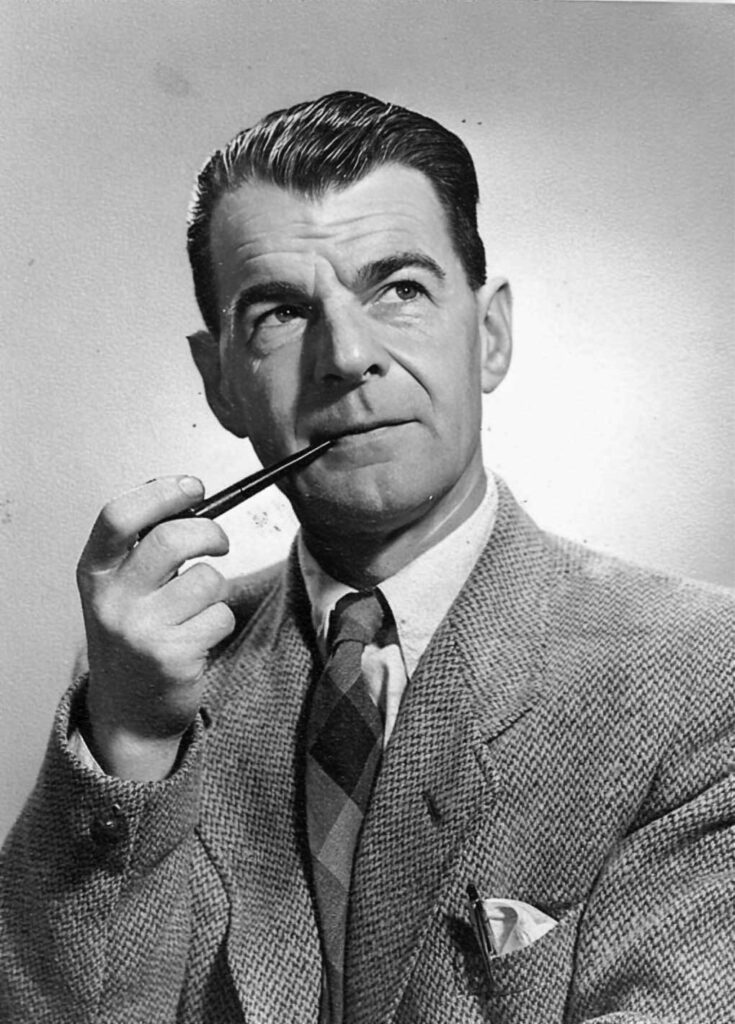
Episode 81: Lost Stories of Philip E. High recounts how the British bus driver turned SF writer, a major magazine contributor in the 1950s, moved from writing short stories into novels, but was encouraged back into short story writing by Phil himself.
Philip Empson High’s first shot story, “The Statics”, appeared in the September 1955 issue of Authentic Science Fiction, alongside tales by E. C. Tubb and Ken Bulmer. Suitably encouraged, High submitted a steady stream of new stories to the other leading British magazines: Nebula, New Worlds and Science Fantasy, in addition to Authentic.
His stories, Phil notes, followed the conventions of the day – interstellar exploration, interplanetary colonies, alien invasions, and the like.
“However, these elements were observed from a totally fresh angle. His own wide background reading, and knowledge of psychology, gave his stories a depth of intelligence and thought that transcended their apparently linear plotting.”
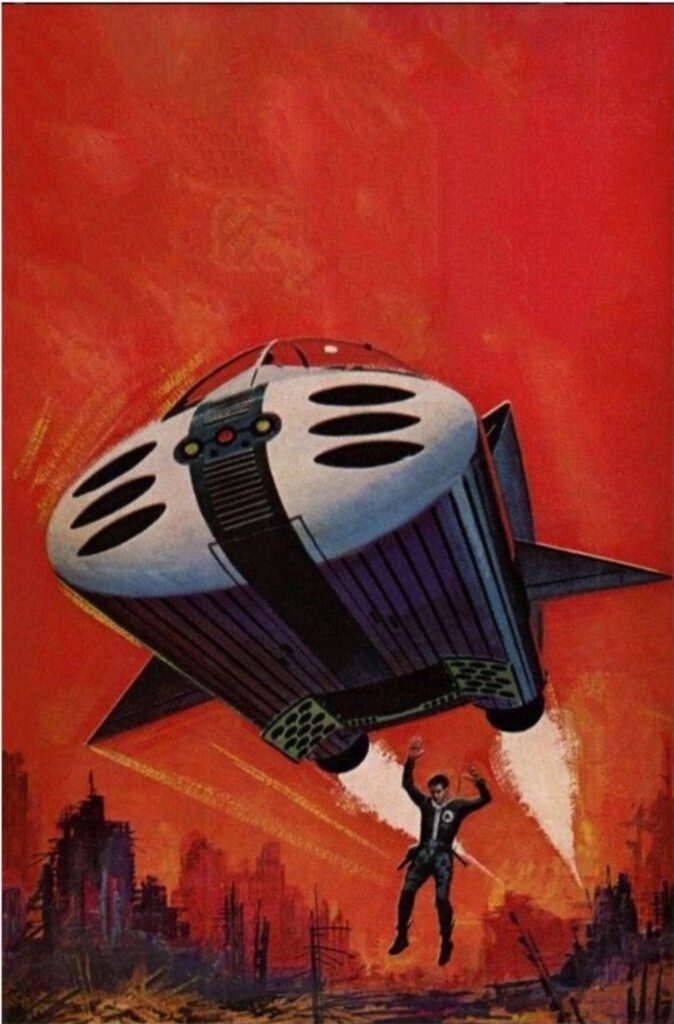
By 1958, after the demise of both Authentic and Nebula, editor and publisher John Carnell virtually had the British field to himself and over the next three years, High appeared almost exclusively in his Nova magazines, New Worlds, Science Fantasy and Science Fiction Adventures. But after Nova stopped publishing magazines, High virtually ceased writing short fiction. Instead, encouraged by Carnell, who had offered to agent his work, he decided to concentrate on novels – dark, sometimes dystopian visions, in a framework of bizarre adventure. Carnell had sold High’s first novel, The Prodigal Sun, to Ace Books in 1963, and whilst continuing to work full time, High averaged a book a year throughout the 1960s and early 1970s.
It was Phil Harbottle who encouraged him back into short story writing, writing stories such as the acclaimed “Psycho-Land” (1970) for Vision of Tomorrow which readers at the time overwhelmingly voted the story best in the issue.
Sadly, as the market changed and magazines ended, no new High stories appeared for more than 25 years, a criminal waste of his undoubted talent. Anthology recognition was sparse, despite High’s having been included as one of the leading British SF writers in Mike Ashley’s The Best of British SF (Vol 2) in 1977.
In 1985, Rog Peyton, editing the Venture SF line for Hamlyn, reprinted two of High’s later novels, and intended using more, but the line was cancelled. During all that time, many new SF magazines came and went in the UK, but none of their editors had the good sense to invite High to write for them – a situation Phil has always considered to be deplorable.
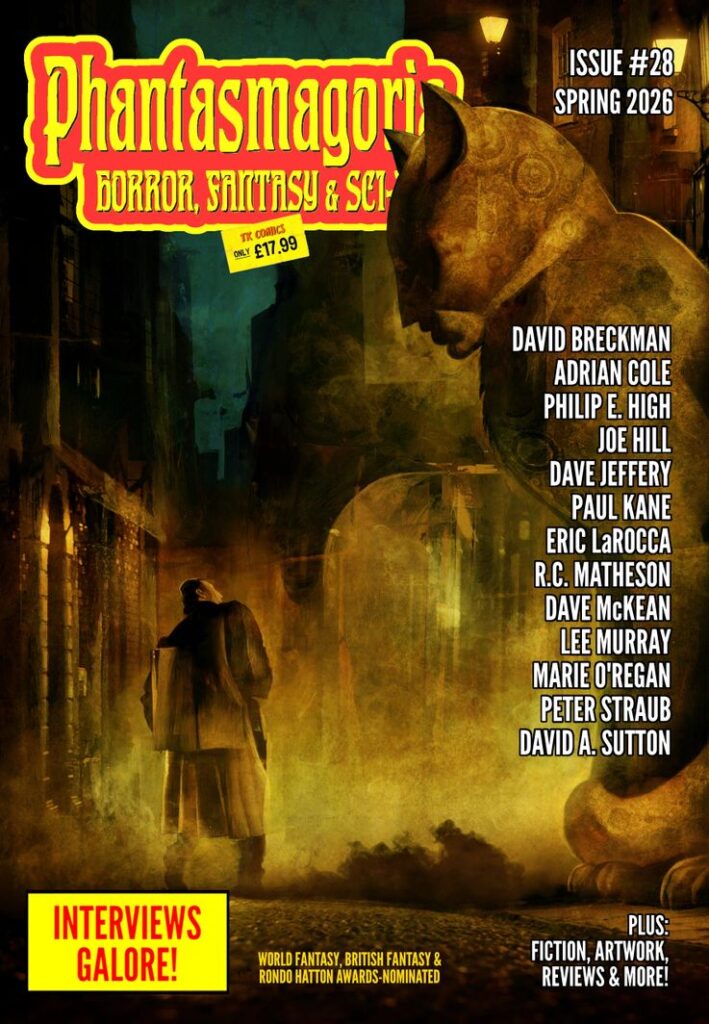
As “Lost Stories” relates, he took steps to improve matters, although it proved no easy task, but now, some two decades since the author’s death, Phil is delighted that two of the best of these “lost” manuscripts will now be seen in Phantasmagoria magazine, edited by Trevor Kennedy, beginning with “The Last Specimen” in the March 2026 issue (Number 28).
The issue also contains Phil’s detailed profile of the author, which forms the basis of this video. Phantasmagoria also contains many other features of interest. It’s available online from their website, and from Amazon (Affiliate Link).
Other “lost” new High stories are set to appear in Wildside’s noted Black Cat e-book magazine in the United States, which has already reprinted many of High’s old magazine stories.
“I hope Phil High’s family and fans will forgive me for their long interment,” says Phil Harbottle.
Episode 82: The Story of Black Saturday, John Russell Fearn’s Lost Film, offers a fascinating history of one of the author’s short stories, “Black Saturday” first commissioned in 1947 for Walter Gillings’ UK SF magazine, Fantasy, but never published.
Philip recounts how post war writers formed their own publishing house, Nova Publications Ltd., which he was part of while Fearn, blocked from deeper involvement with Nova by an exclusive contract, turned instead to amateur filmmaking, radically reworking his story into a more expansive cosmic film, which Harbottle rediscovered in 1982, following the death of Fearn’s wife, Carrie, but has had transferred to DVD.
Episode 83 will present this long-lost 16mm film publicly for the first time since its 1952 Manchester SF Convention screening.
Compared with his original story, Philip feels, Fearn’s film version was much more imaginative and cosmic in scope, as we will soon discover…
Head downthetubes for…
• Wayback Machine: Philip E. High Official Website (Archived)
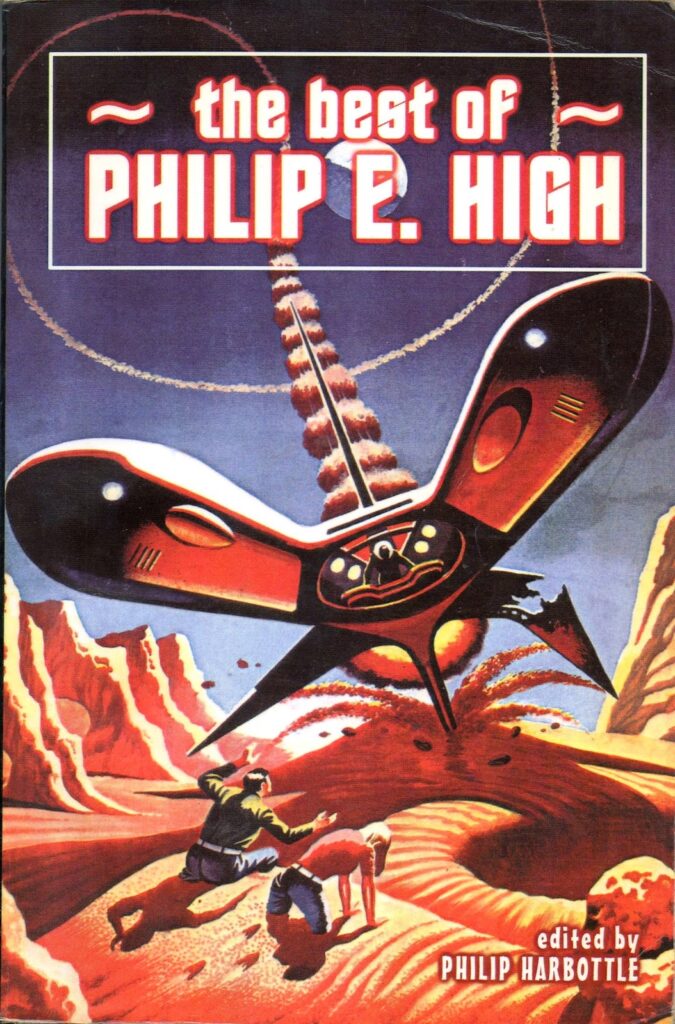
Philip E High was an English science fiction author. Born in Biggleswade, Bedfordshire on 28th April 1914 his writing career spanned over 50 years before his death in Canterbury, Kent on 9th August, 2006. In the course of his career he published some 14 novels and numerous short stories. Philip E High made his name initially in the 1950s, with a series of short stories for magazines such as Authentic Science Fiction, New Worlds and Nebula. A collection of these short stories, The Best of Philip E High, was published in 2002, edited by Phil Harbottle
• Infinity Plus: Phil High – Literary Craftsman – interview and profile by Philip Harbottle
• SF and Fantasy UK: Philip E. High – An Illustrated Bibliography
• The Independent: Philip E. High – Obituary by John Clute
• Philip E High: The Man Who Created The Wooden Spaceships
Back in 2015, Andrew Darlington suggested that perhaps it was time for a reappraisal of this prolific writer’s body of work…
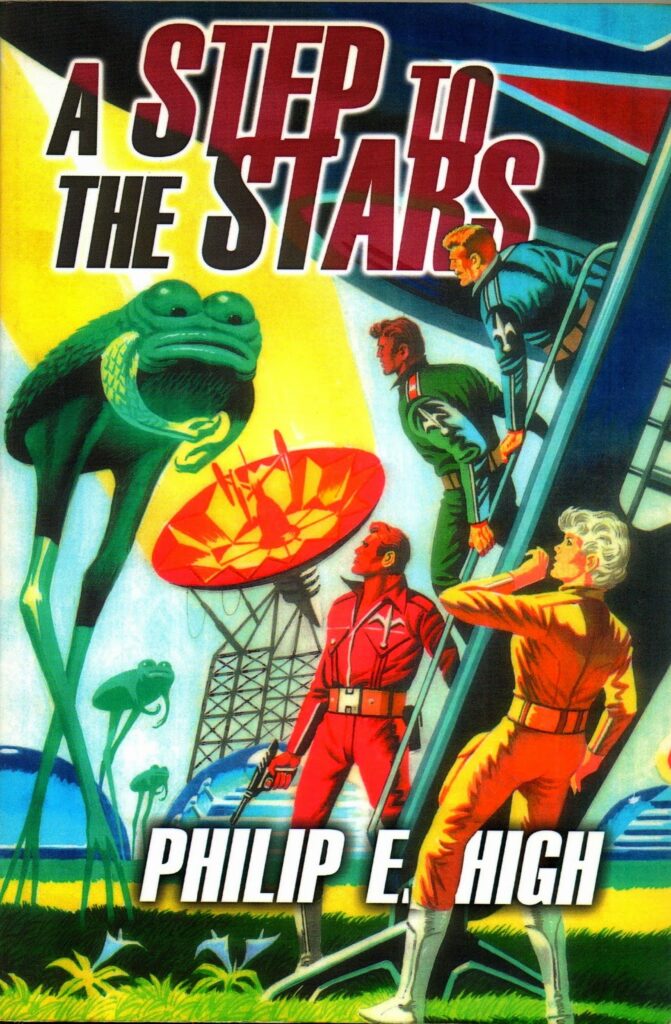
• Reviews of The Best of Philip E. High and Step to the Stars by Andrew Darlington
Phantasmagoria
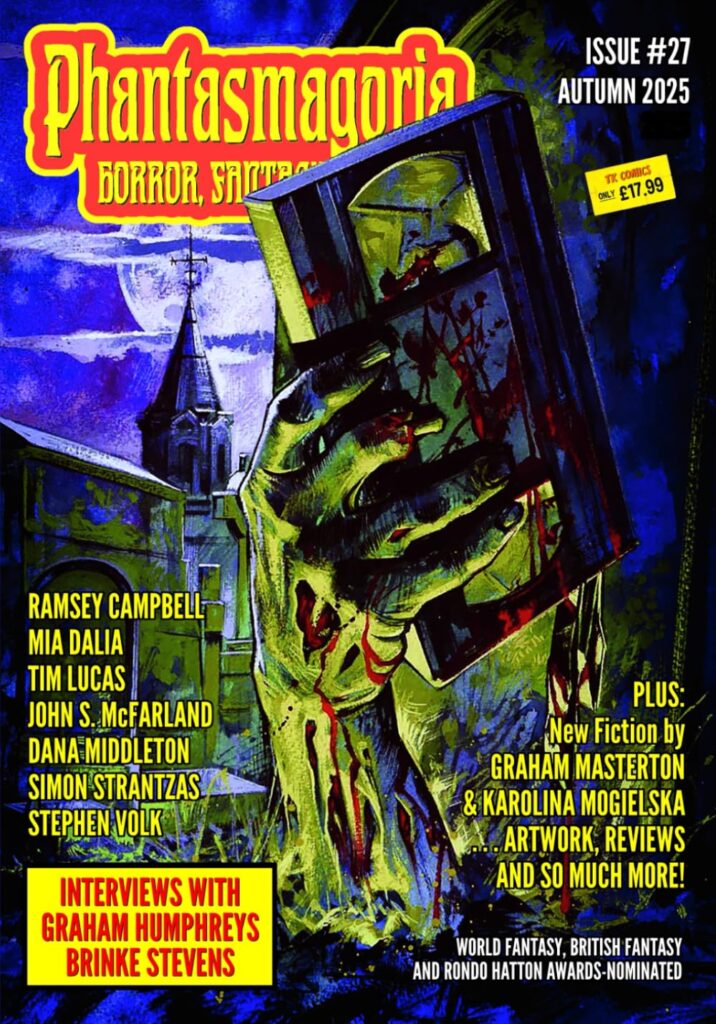
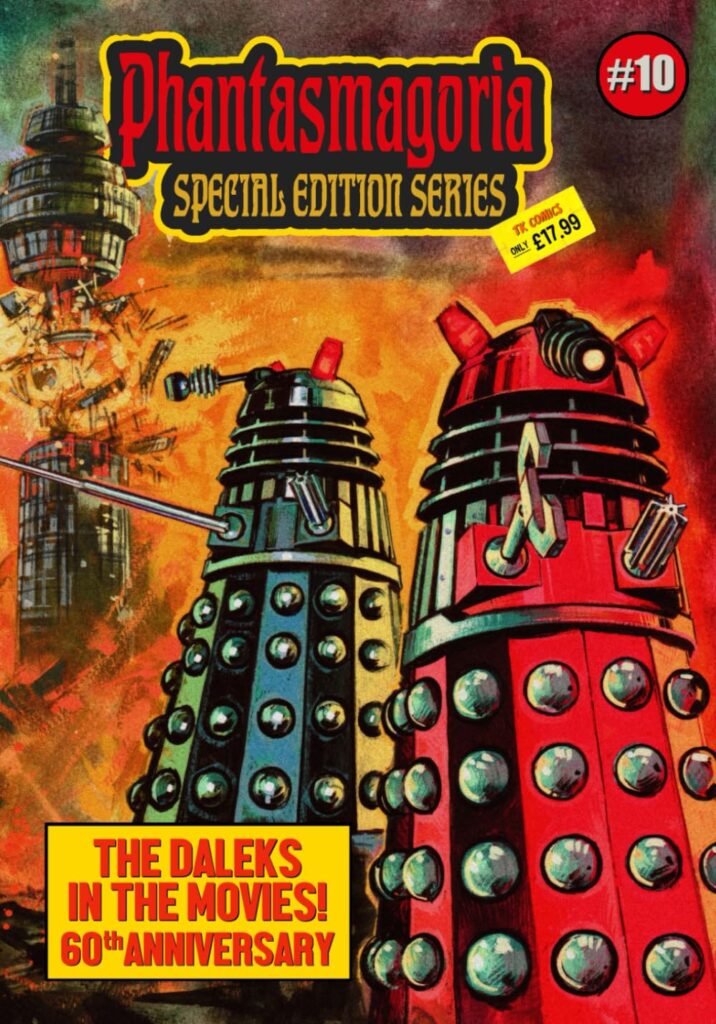
Phantasmagoria – online at phantasmagoriamag.co.uk – first appeared in 2017, the debut issue landing on Hallowe’en of that year. Inspired by the British genre publications of the 1970s, ’80s and early-’90s, its ethos has always been to celebrate horror, fantasy and science fiction in its many varying forms, paying tribute to the masters of the past whilst looking ahead to the future.
In 2019, the spin-off Special Edition Series was launched, each volume focused on a specific genre writer or theme. Special Editions so far have been dedicated to R. Chetwynd-Hayes, The Lovecraft Squad series of books edited by Stephen Jones, M.R. James, Ramsey Campbell, Karl Edward Wagner, Brian Lumley and Fantasy Tales.
Philip Harbottle: Author and Archivist Extraordinaire
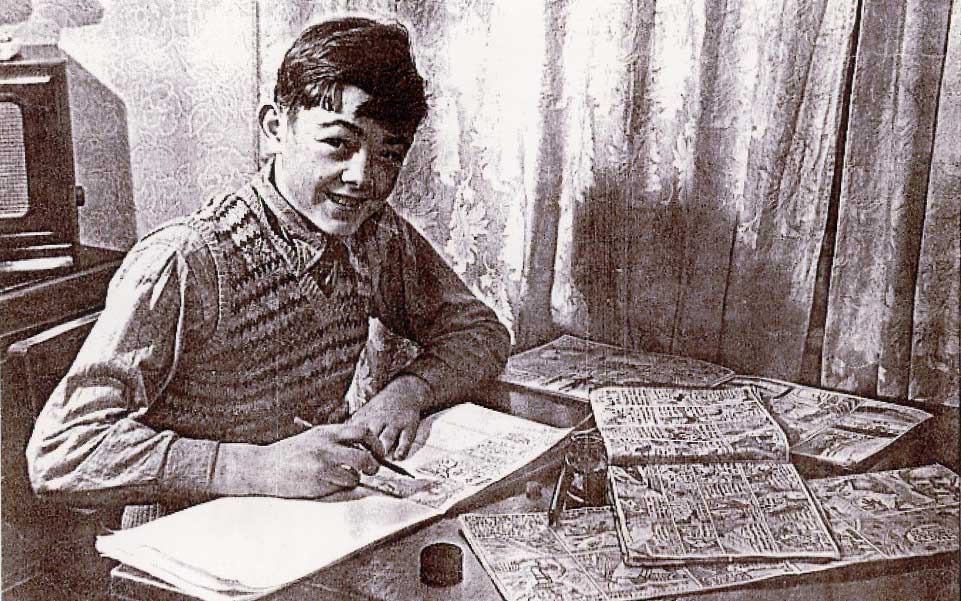
Philip Harbottle is a life-long science fiction fan, regarded as a world authority on the works of John Russell Fearn, whose credits encompass writing “Garth” for the Daily Mirror, and the “Golden Amazon” for Spaceship Away (adapting Fearn’s stories).
He’s also very kindly contributed a number of synopses of early “Garth” stories to downthetubes, which we are adding as time permits.
Back in the 1950s, he adapted some of the Radio Luxembourg Dan Dare radio shows into comics at a young age – the only record of some of these tales known to exist, since very few recordings survive.
• Subscribe to 1950s British Science Fiction YouTube Channel here

• The Fantastic Art of Ron Turner 320pp approx. Large format 11×8.5-format full colour hardback | ISBN 978-1845832353 | Check out our preview feature here
• Available to order direct from Telos Publishing | AmazonUK Affiliate Link | Available to US-based customers through Bud’s Comics and Art |
• Vultures of the Void: The Legacy by Philip Harbottle (AmazonUK Affiliate Link)
Philip Harbottle presents a fascinating guide to British science fiction publishing history
• Buy Across the Ages by John Russell Fearn, adapted into comics by Philip Harbottle here from Lulu
A vintage comic strip by Philip Harbottle, adapting John Russell Fearn’s much admired SF novel Across the Ages, has finally been published – some sixty years after the now renowned author and publisher drew it (Read our news item about this here)
• Books edited or published by Phil Harbottle on AmazonUK (Affiliate Link)
• Check out books by E.C. Tubb published by Wildside Press here
- About the Author
- Latest Posts

John is the founder of downthetubes, launched in 1998. He is a comics and magazine editor, writer, and Press Officer for the Lakes International Comic Art Festival. He also runs Crucible Comic Press.
Working in British comics publishing since the 1980s, his credits include editor of titles such as Doctor Who Magazine and Overkill for Marvel UK, Babylon 5 Magazine, Star Trek Magazine, and its successor, Star Trek Explorer, and more. He also edited the comics anthology STRIP Magazine and edited several audio comics for ROK Comics; and has edited several comic collections and graphic novels, including volumes of “Charley’s War” and “Dan Dare”, and Hancock: The Lad Himself, by Stephen Walsh and Keith Page.
He’s the writer of comics such as Pilgrim: Secrets and Lies for B7 Comics; “Crucible”, a creator-owned project with 2000AD artist Smuzz; and “Death Duty” and “Skow Dogs”, with Dave Hailwood.
Categories: Art and Illustration, Books, downthetubes News, Film, Other Worlds, Science Fiction
 New book, The Art of Classic Sci-Fi Movies, offers a visual treat
  Steampunks in Space – at the National Space Centre
  From “Nick Hazard” to “Garth”, to the new feature film, “57 Seconds”, Philip Harbottle’s SF videocasts continue to entertain
You might also be interested in my own encounters with Philip E High…
https://andrewdarlington.blogspot.com/2015/03/books-philip-e-high-man-who-created.html
Thanks, Andrew! I’ve added a link to your article in the body of this item, too. Much appreciated, as always.