Prompted by artist David Roach, John Freeman takes a look at just some of the incredible work often wrongly maligned comic creator Frank Robbins deserves more credit for…
There are always going to be fans who don’t quite “get” American artist Frank Robbins work, but comic artist and author David Roach says, rightly, I think, “if I had to pick one example of his work at it’s very best it would have to be this extraordinary The Shadow cover.
“I can remember being absolutely transfixed by it as a 10 year old, and now I simply think it’s one if the greatest comic covers ever drawn. Wow!”
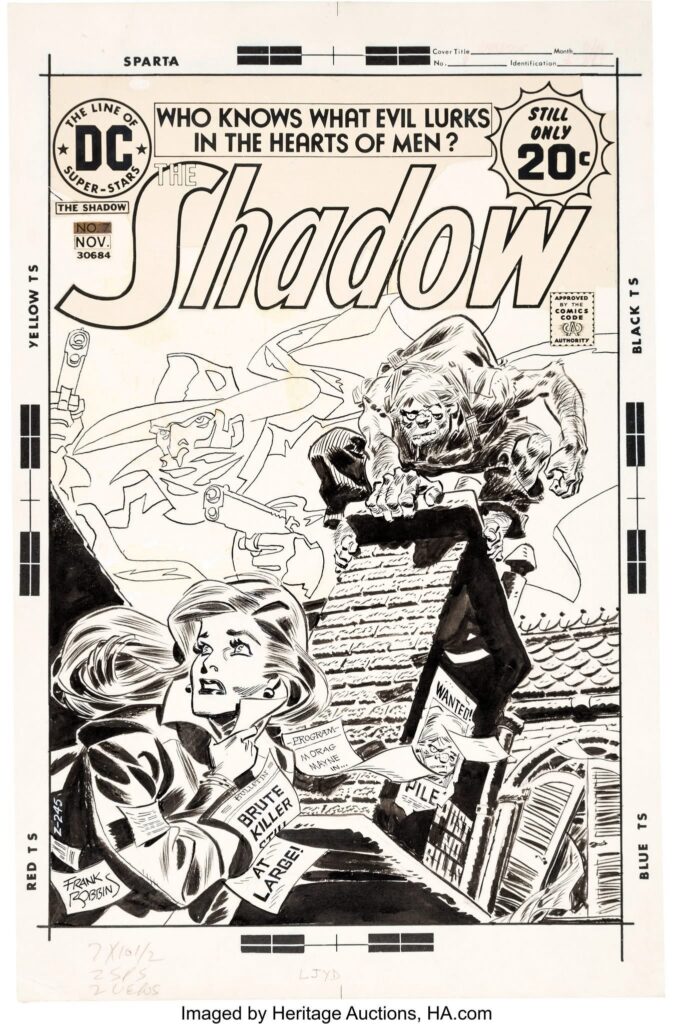
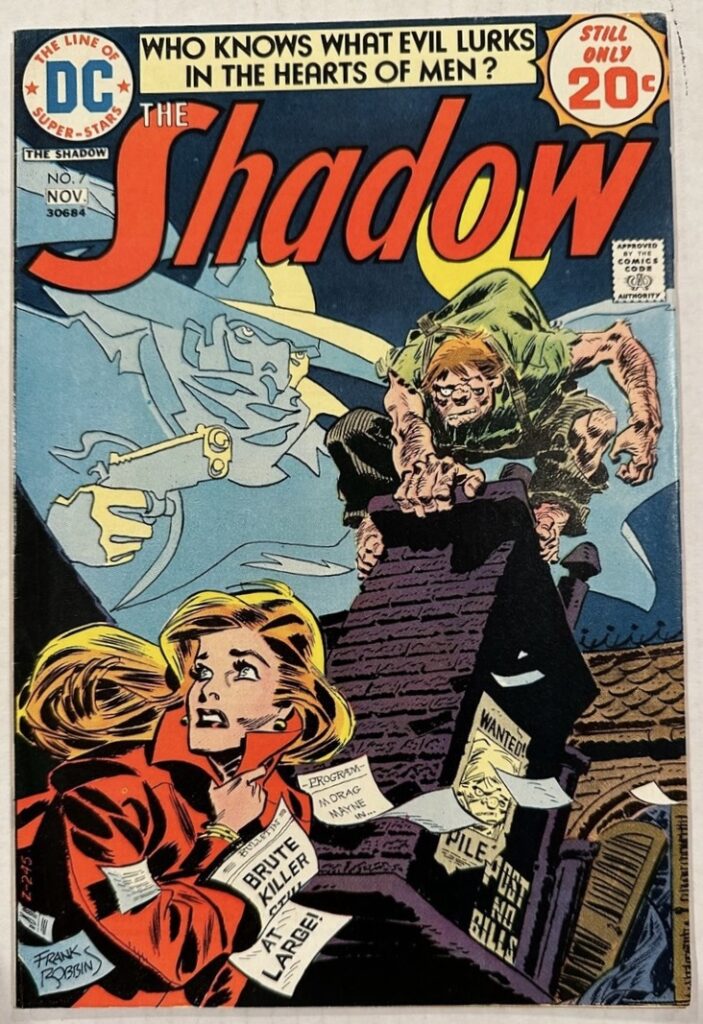
He’s not wrong. Created for The Shadow #7, published by DC Comics in 1974, it’s a stunning piece of work, the original art sold through Heritage Auctions in 2017, for $8,365.
For the published version, DC had a stat made of the Shadow’s looming figure and flipped it to face right. Heritage noted that the consignor of the art had the stat professionally removed.
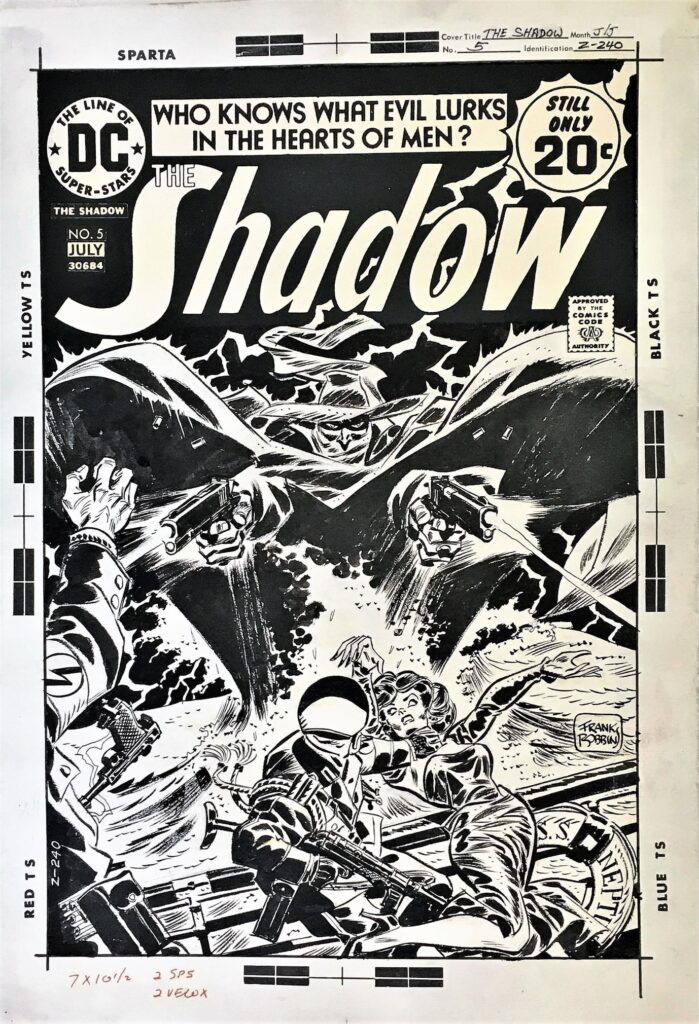
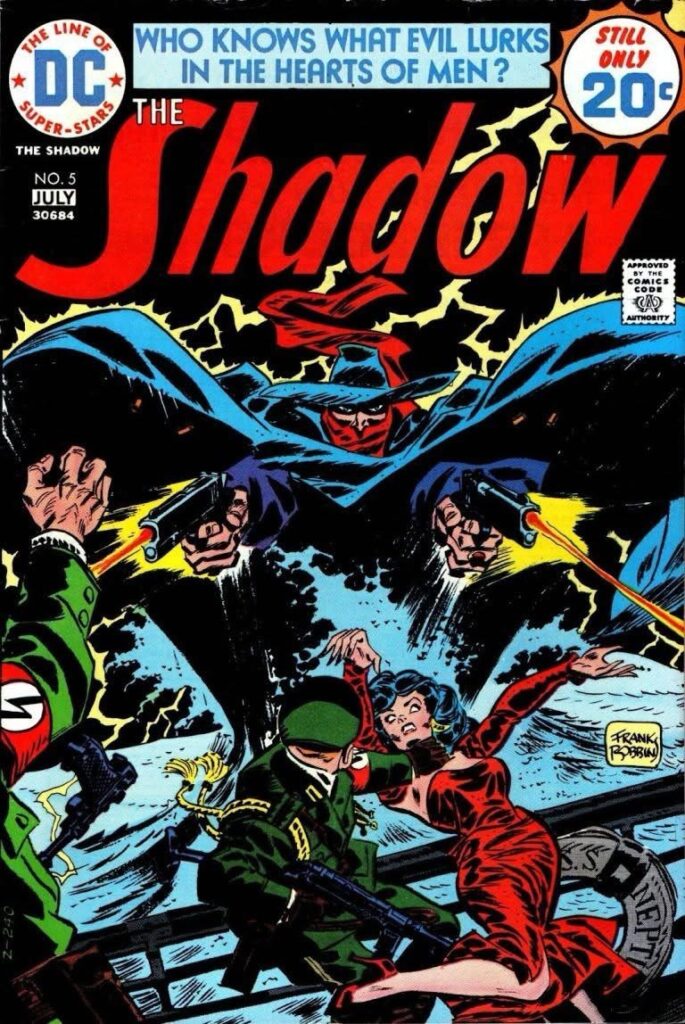
Back when I was buying a lot more US comics than I do now, I think my opinion of Frank’s work was coloured by his art for Marvel, which just didn’t sit “right” somehow. I was pretty opinionated about Carmine Infantino for similar reasons, until my comic shop guy, Keith Chandler, showed me examples of his earlier work. I think I learnt then that artists could be pushed by publishers into adopting a “style” of the day according to what was “hot”, or, worse, commissioned to draw titles that weren’t in their wheelhouse when it came to playing to their obvious strengths.
(That hadn’t changed when I was working with Paul Neary at Marvel UK in the 1990s, Paul under instruction from Marvel US to encourage artists working on our books to emulate Jim Lee, Image Comics very much seen as a dangerous competitor).
If you really want to see Franklin “Frank” Robbins at his best, you should, for example, track down the Hermes Press collections of his newspaper strip, “Johnny Hazard” launched in 1947, although, be warned the physical editions can be quite expensive. (They’re available digitally through Amazon, too). Or his work on titles such as Weird War, House of Mystery, or House of Secrets.
I’m not alone in thinking Frank Robbins non superhero work deserves your attention, either.
“I never quite got Frank Robbins as a kid,” Syzygy Publishing co-founder and writer, editor, and publisher Chris Ryall said just this week. “But in fairness, my first exposure was also his work in the late ’70s rather than his heyday two decades earlier. It was such a revelation to experience that 50s work. Same with that of George Tuska.”
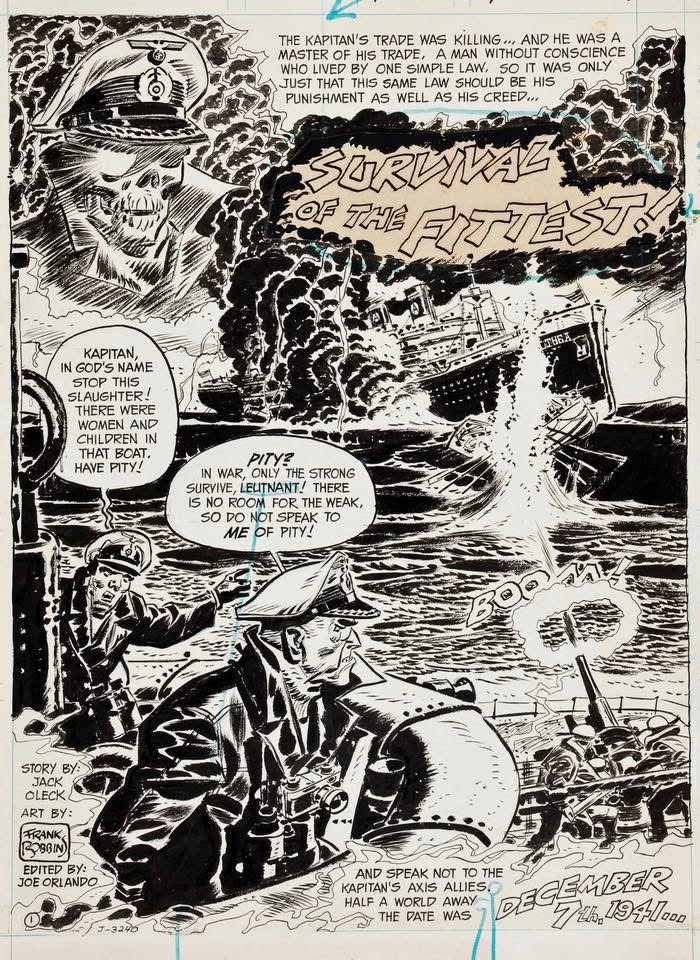
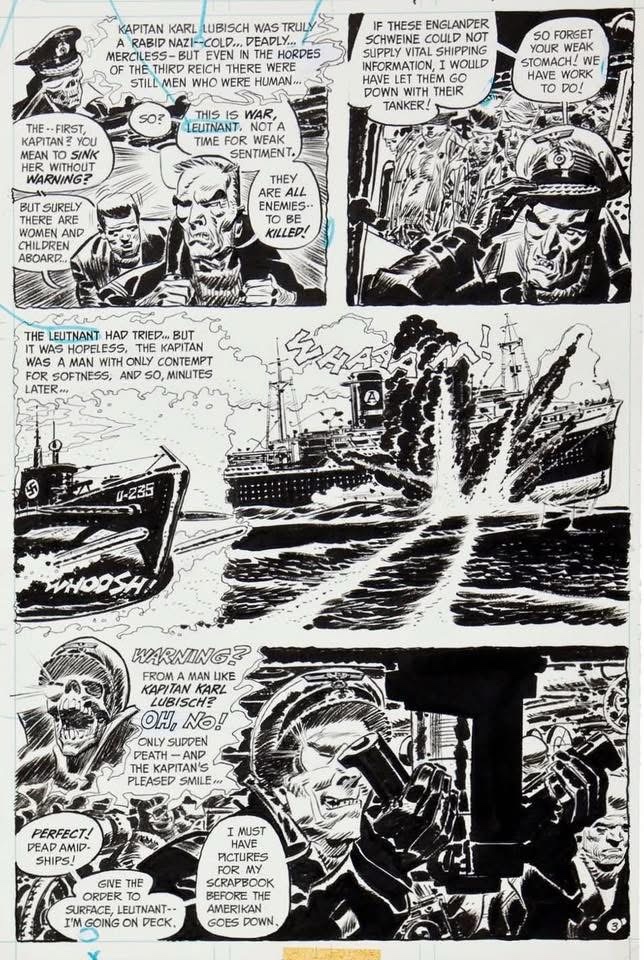
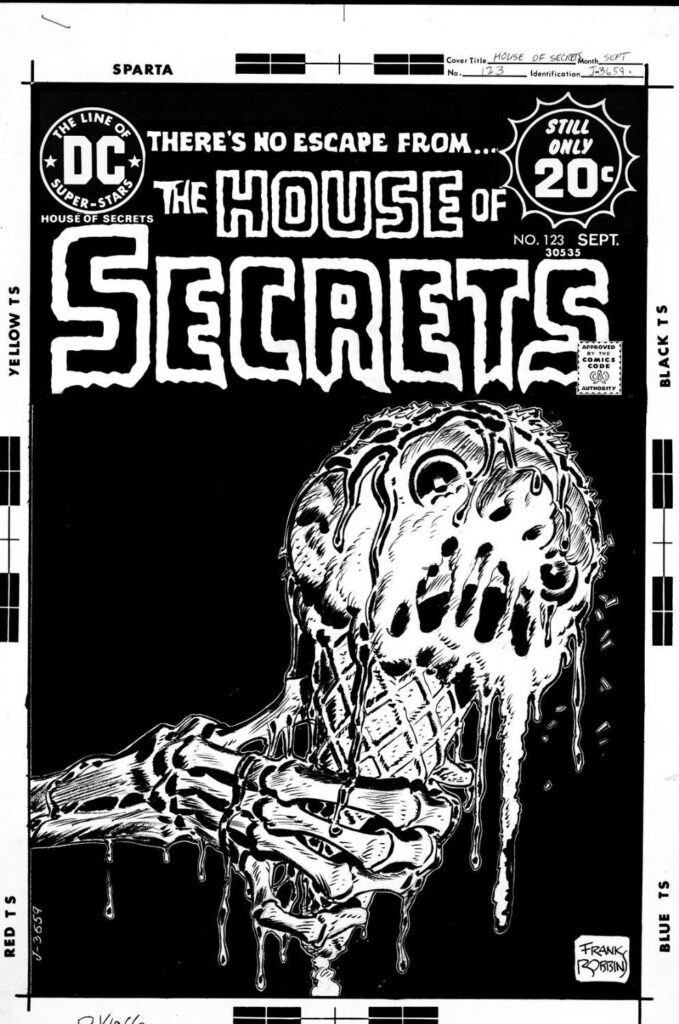
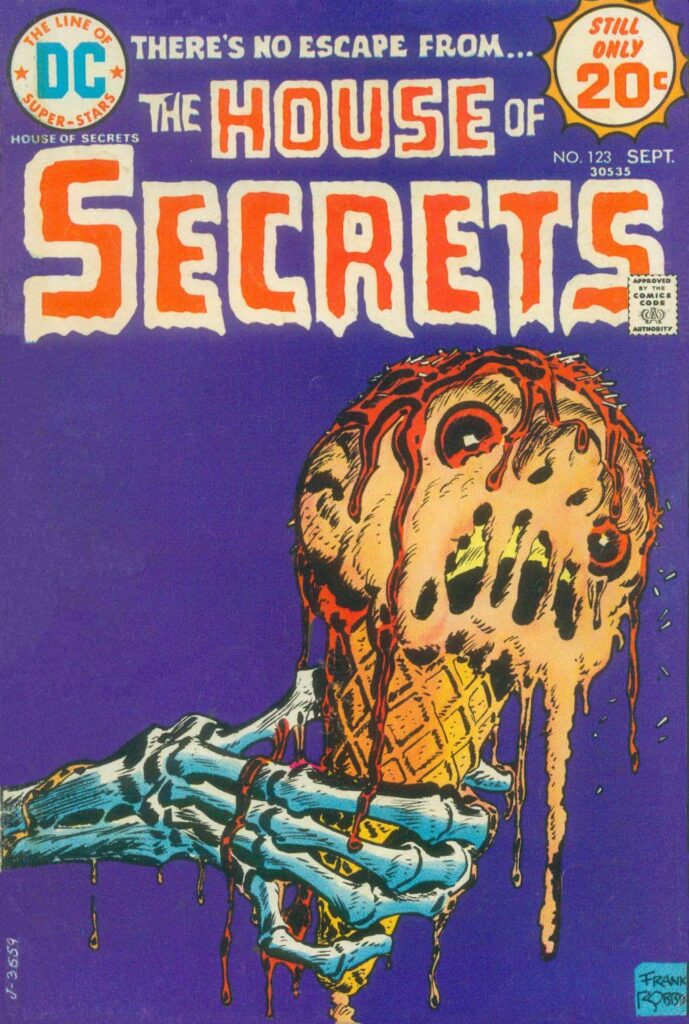
If I’ve prompted your curiosity, just as David Roach did me this week, then do check out Mark Evanier‘s essay on Frank Robbins, which details the background to his arrival at DC under Carmine Infantino, his work for Marvel and his only meeting with the artist, that gives some insight into how he was treated, and the mistakes publishers made by putting him on books that many argue he was ill suited for. Not helped in the least by inking that didn’t complement his pencils.
John Freeman
Remembering Franklin “Frank” Robbins
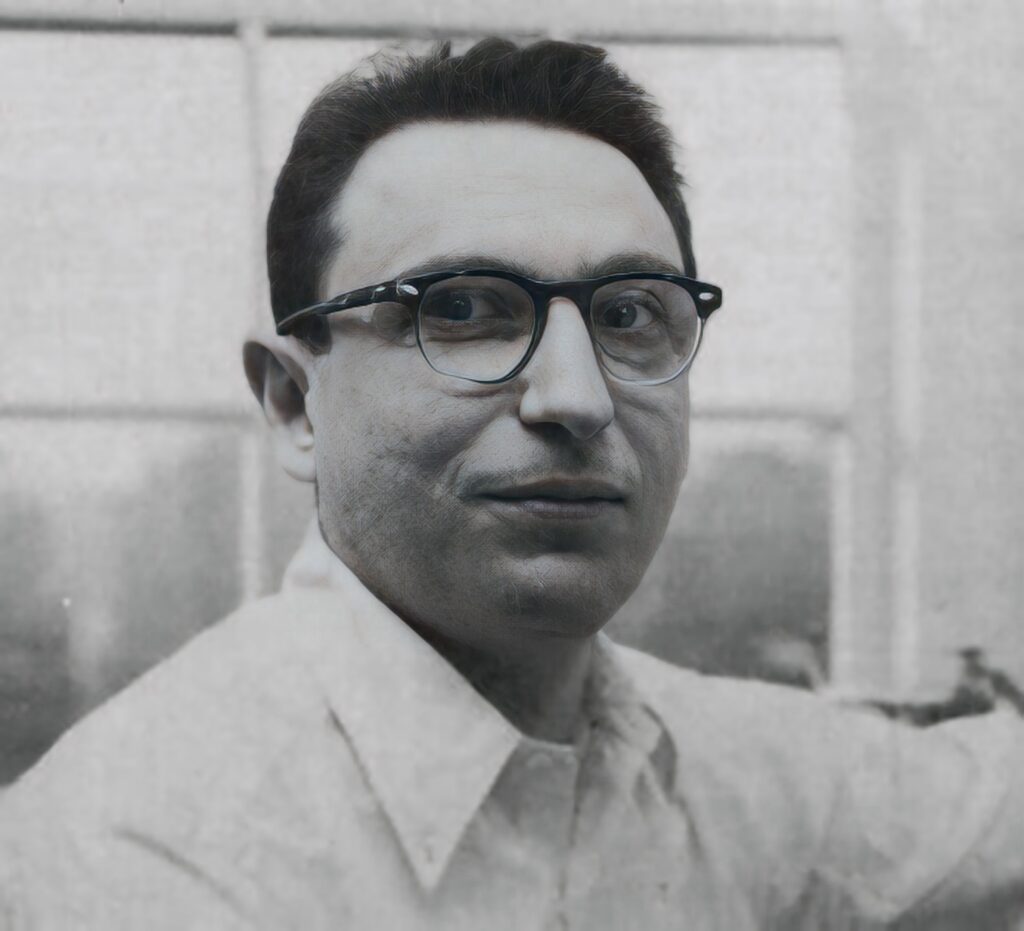
Franklin “Frank” Robbins (9th September 1917 – 28th November 1994) was a notable American comic book and comic strip artist and writer, as well as a prominent painter, whose work appeared in museums including the Whitney Museum of American Art in New York City, where one of his paintings was featured in the 1955 Whitney Annual Exhibition of American Painting.
An artistic child prodigy, Frank won his first art scholarship when he was still only nine years old. Forced by conditions in the Depression to forgo college education, he found work as an apprentice in an advertising agency. He was involved with the murals in the NBC building, and in 1935 he did advertising illustrations for RKO Pictures.
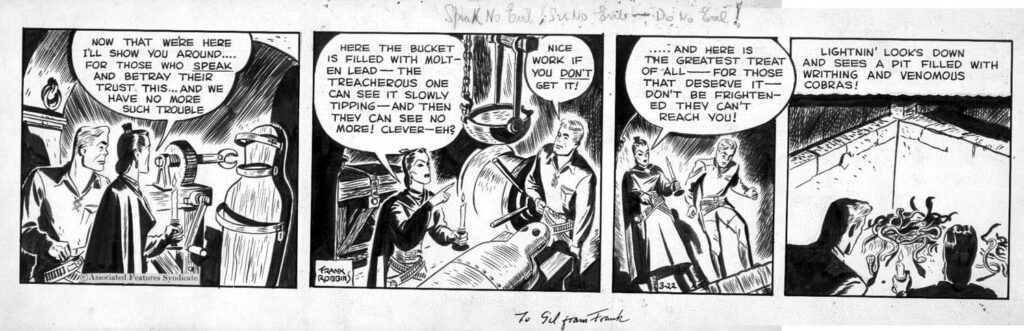
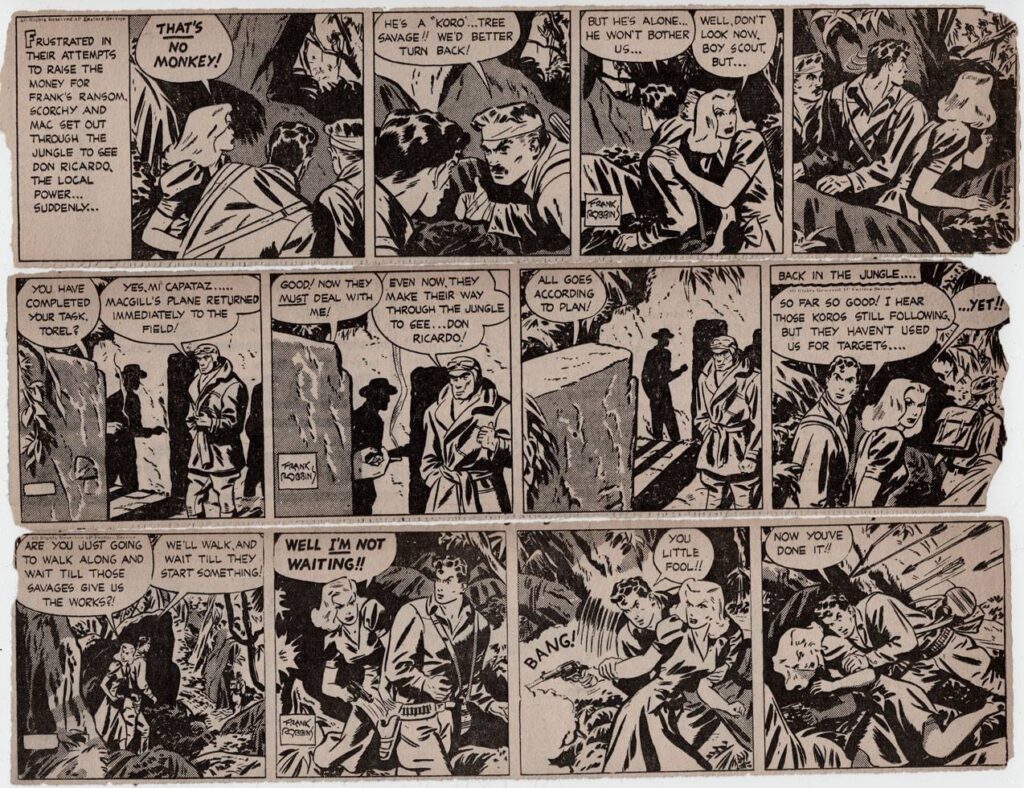
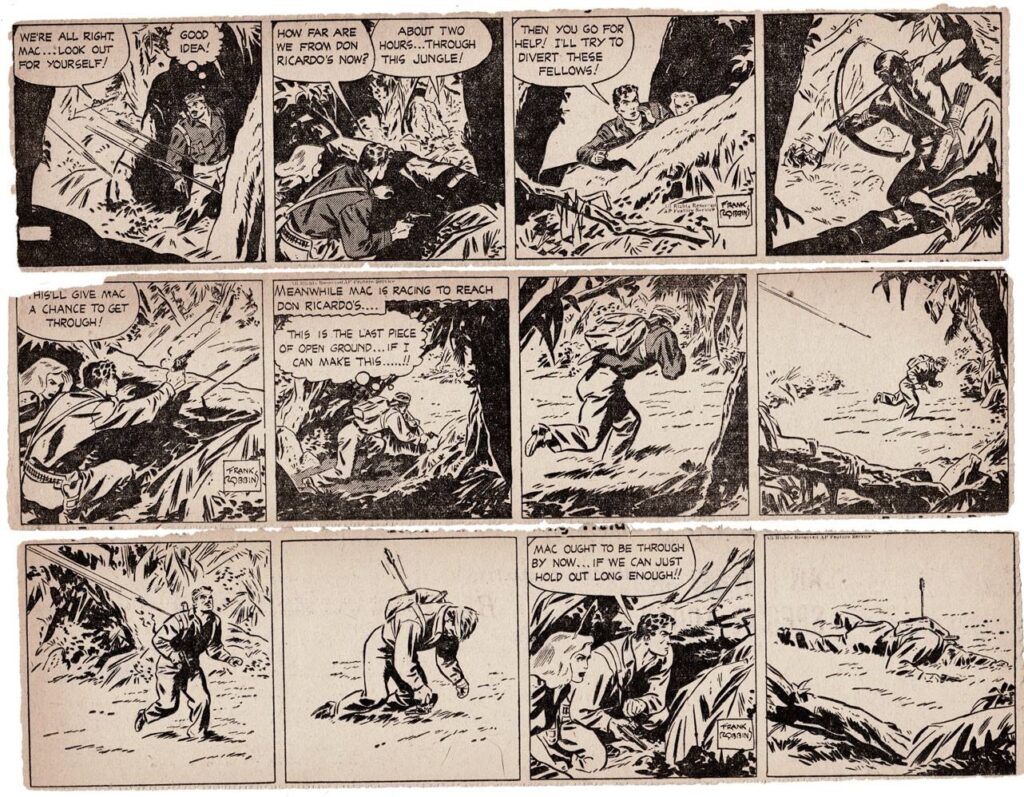
In 1939, he was asked to take over the daily strip “Scorchy Smith” from Noel Sickles. Robbins made the strip flourish. When a Sunday page was added in 1940, King Features Syndicate asked him to make an aviation comic. “Johnny Hazard” was launched in 1944, which ran until 1977. In the 1940s, Robbins also provided illustrations for Life, Look and Saturday Evening Post.
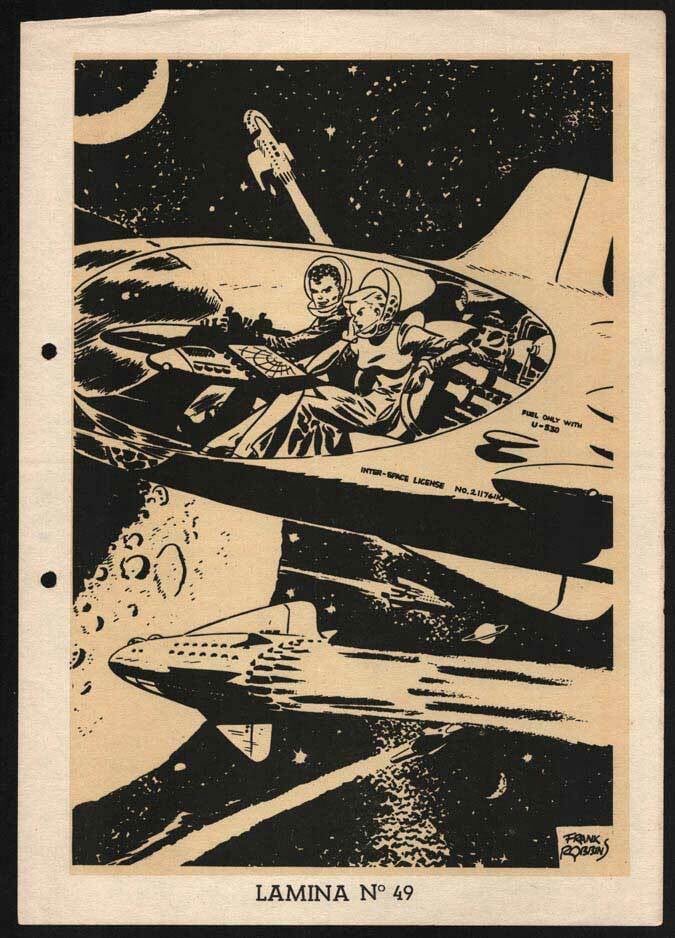
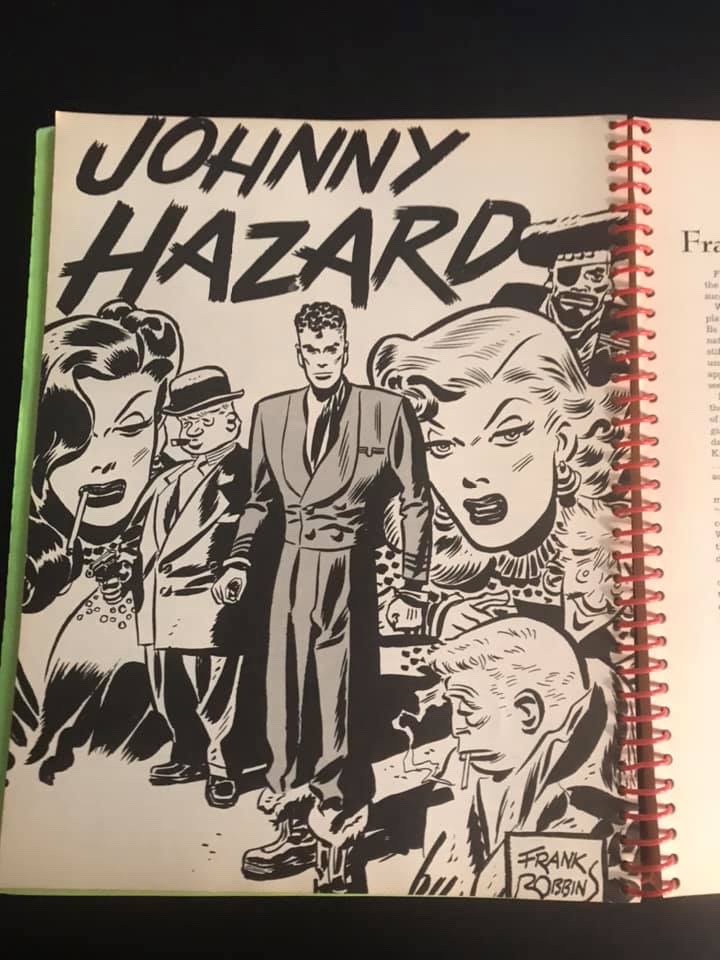
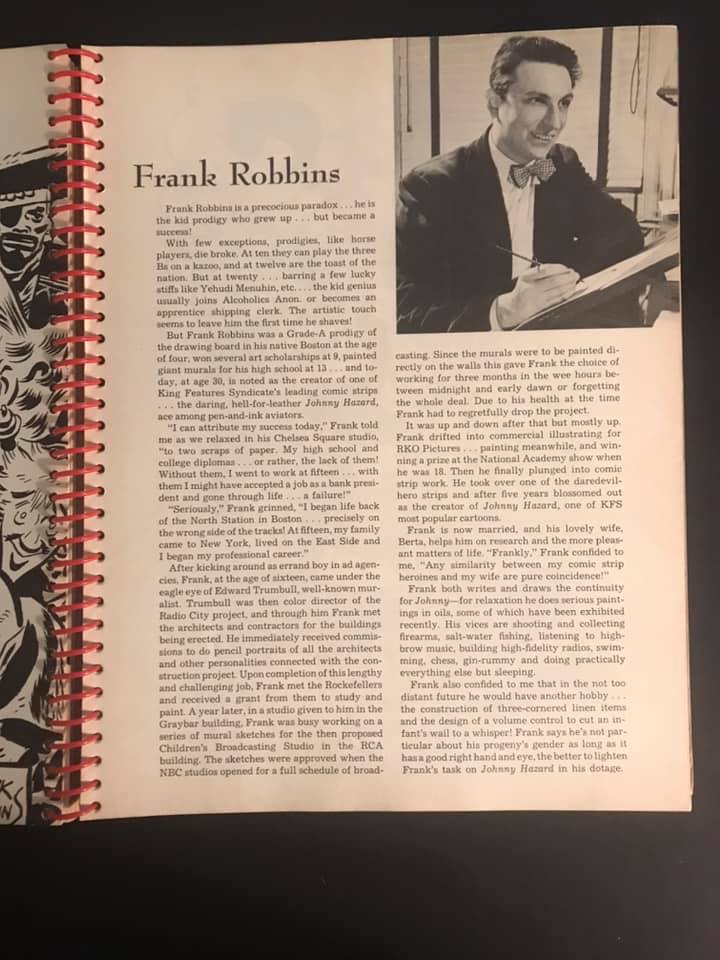
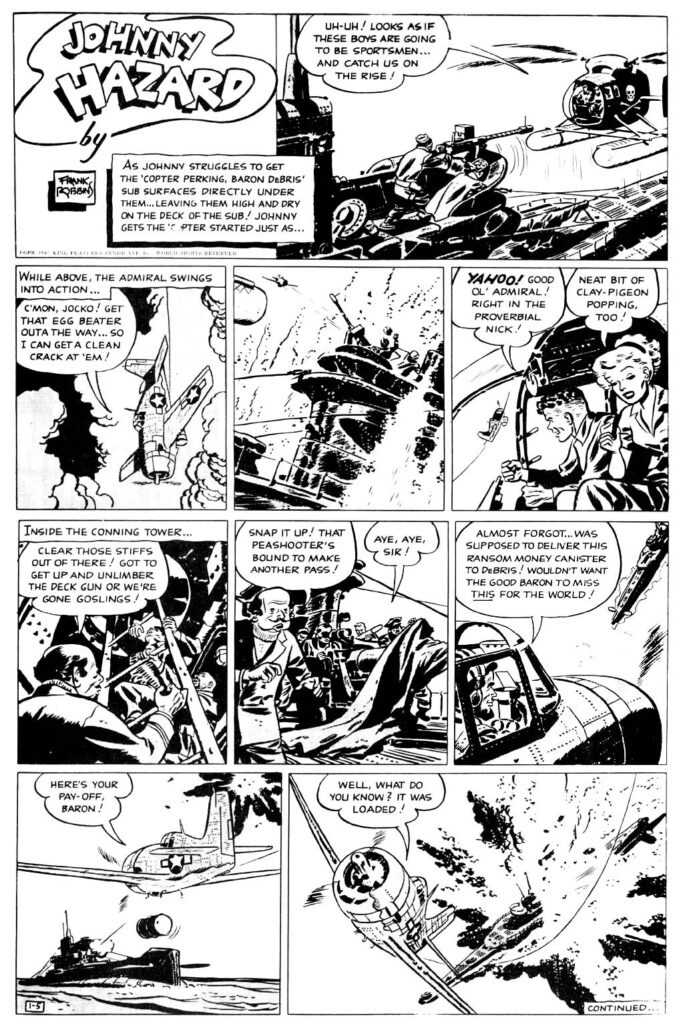
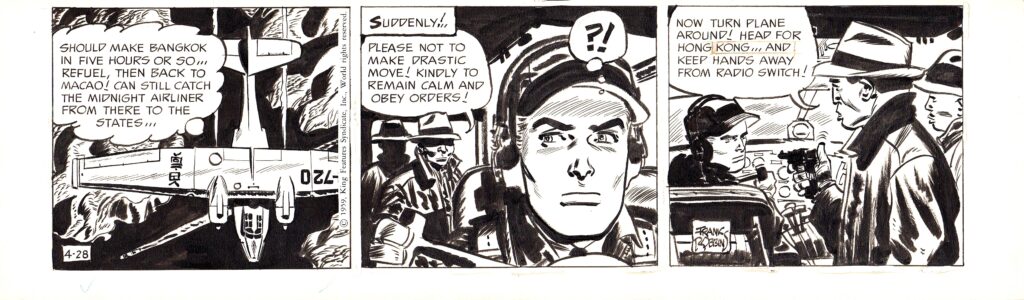
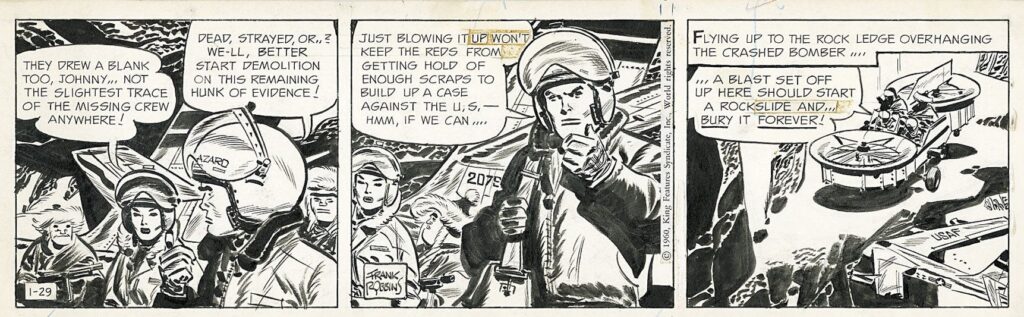
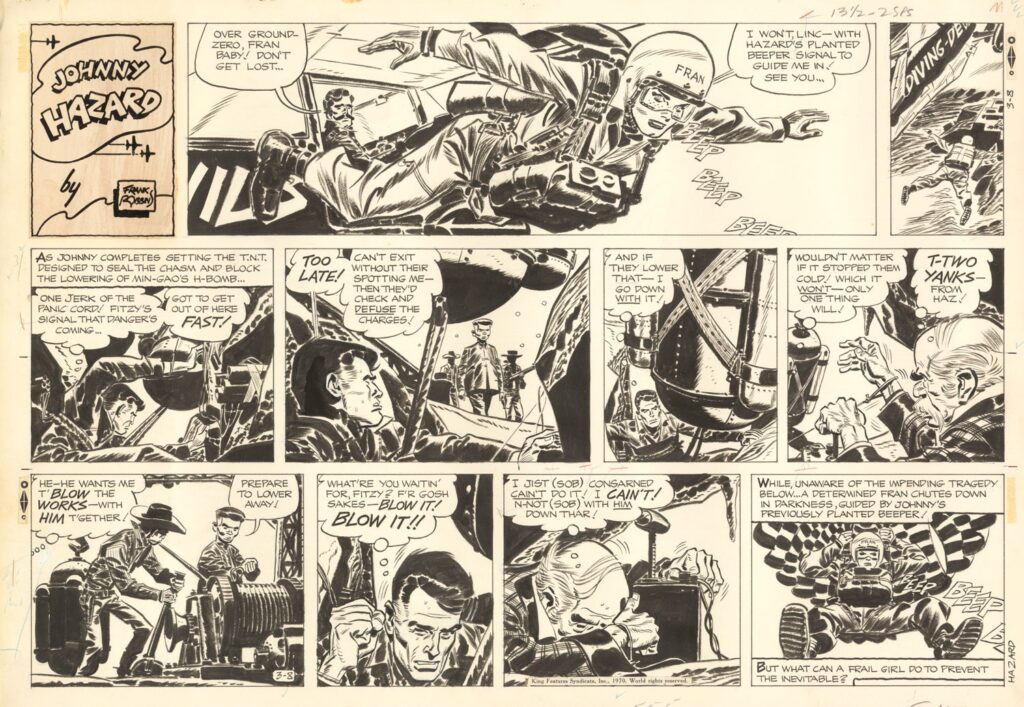
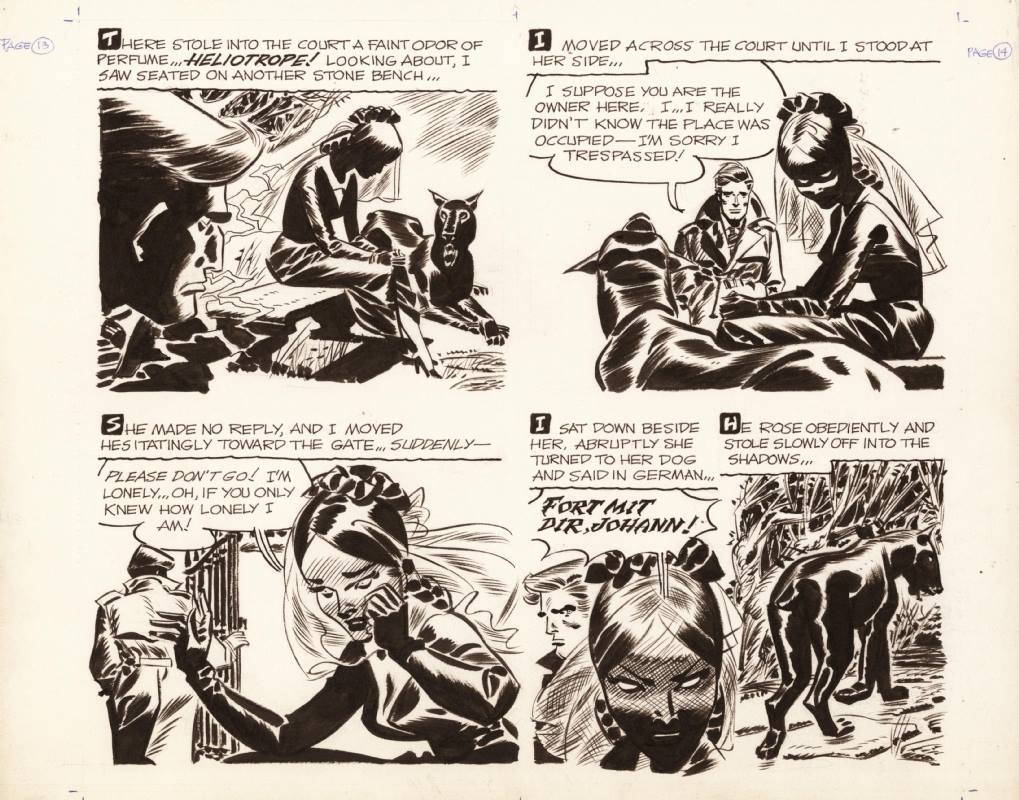
“Mr. Robbins was mainly a writer-artist for newspaper comic strips… and one of the best,” Mark Evanier notes. “Like about 50% of the artists who drew adventure newspaper strips at the time, he was heavily influenced by two men – Noel Sickles and Milton Caniff – who were in turn heavily-influenced by each other. Caniff in particular was regarded as the supreme role model by most in the adventure strip field and Robbins was hardly the only guy who drew a lot like him.”
As a writer/artist, Robbins was instrumental in returning Batman to his gothic roots when he worked on that, sometimes writing for other artists. His story “One Bullet Too Many” was the first story since the Golden Age in which Batman would work entirely alone in an urban setting. His take on Man-Bat is outright bizarre.
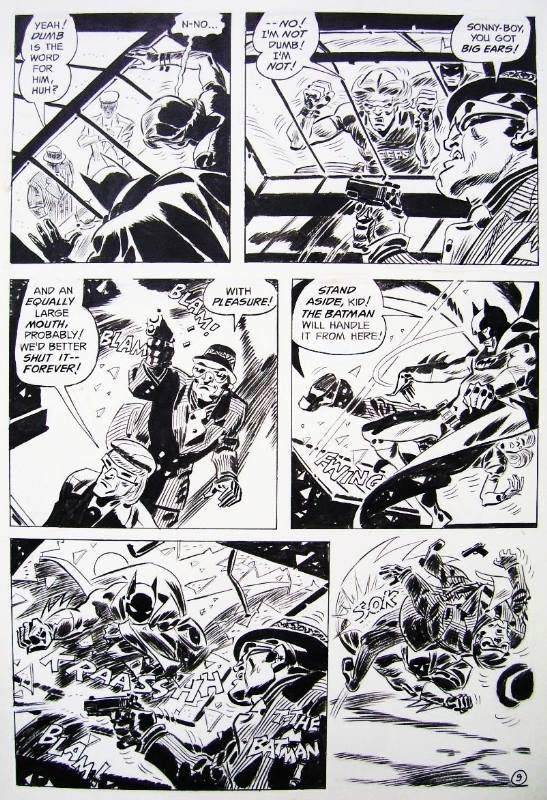
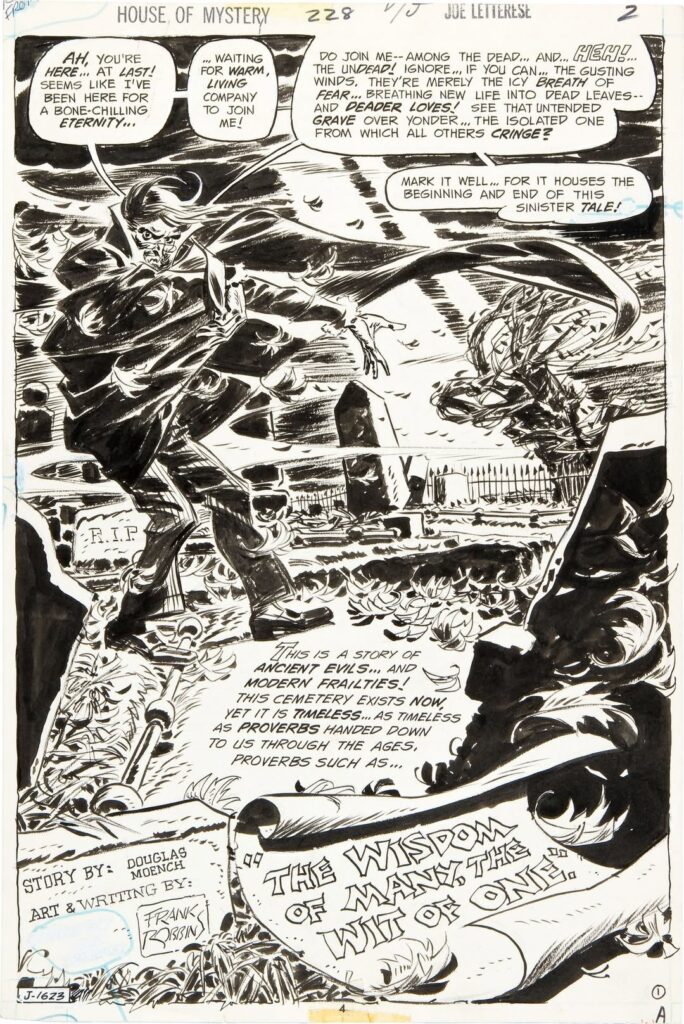
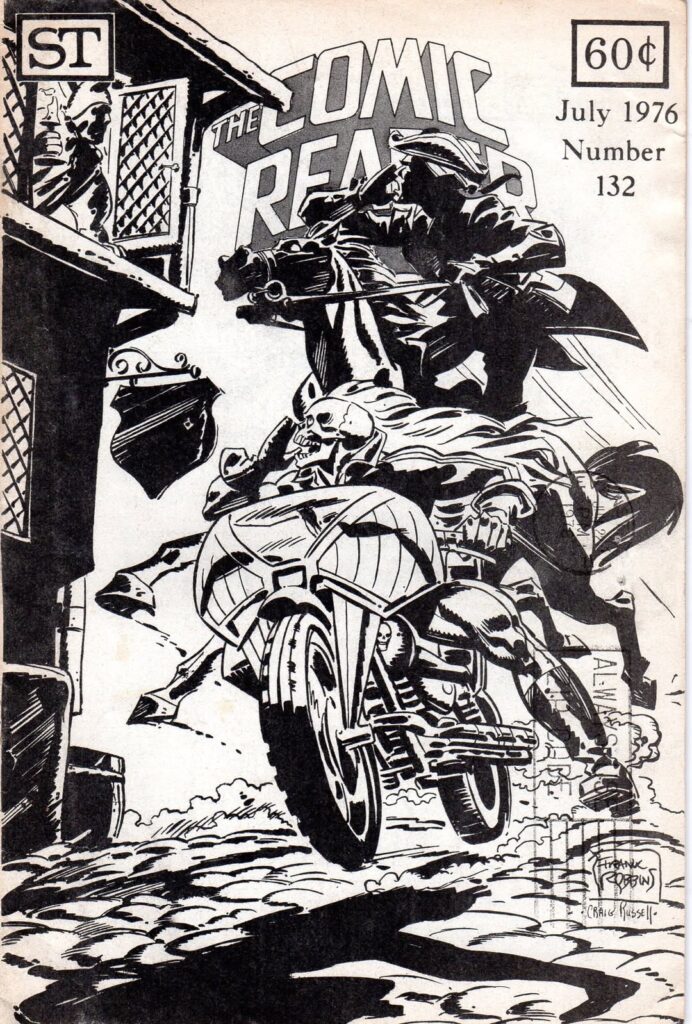
During the 1960s, Robbins wrote for comic book titles such as The Flash and The Unknown Soldier. Besides Detective Comics/Batman, Robbins’ comic book artwork appeared in Captain America, Daredevil, Fear, Flash, Ghost Rider, House of Mystery, House of Secrets, Human Fly, Invaders, Weird War Tales, and Power Man, as well as comic-book adaptations of Man from Atlantis and, as noted, The Shadow.
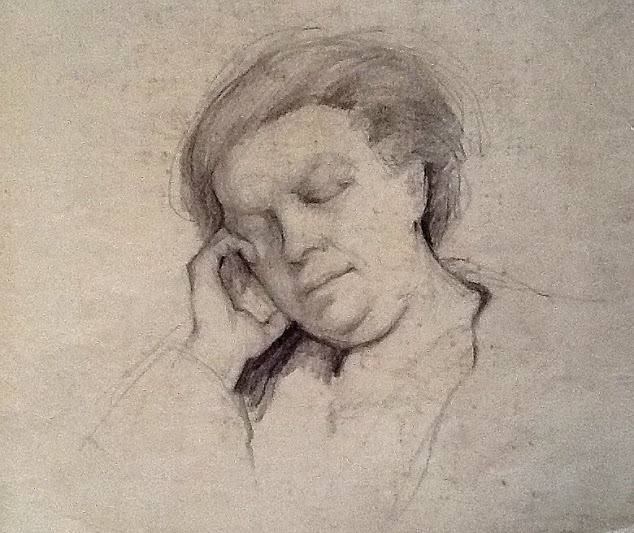
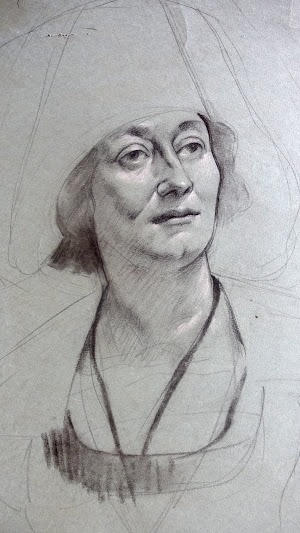
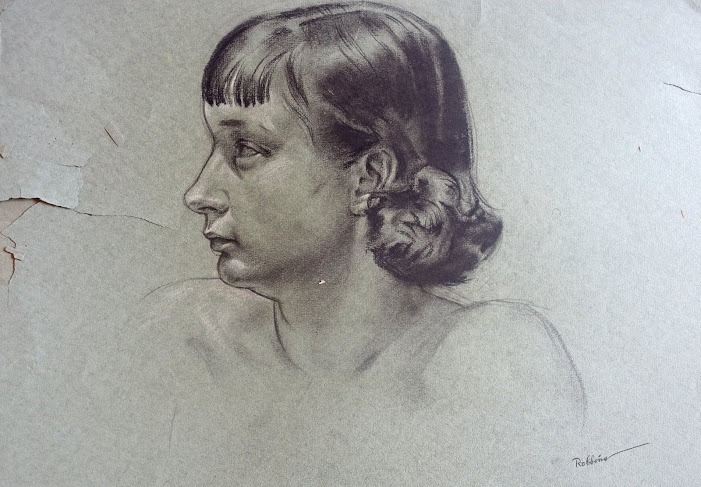
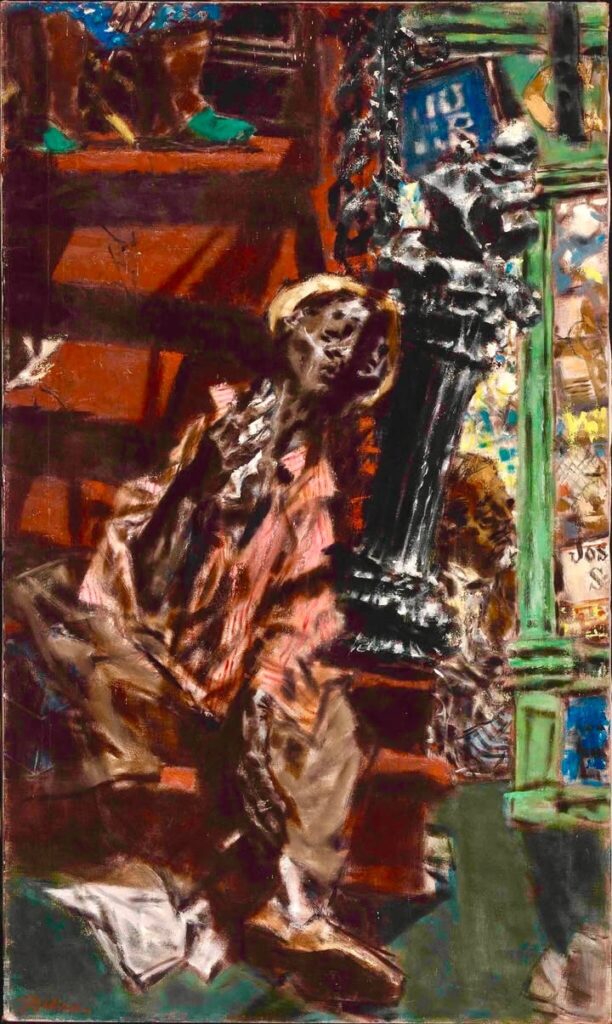
Robbins eventually retired from comics and emigrated to Mexico, dedicating himself to painting. His fine art has been exhibited in several museums and galleries. He died on 28th November, 1994.
Head downthetubes for…
• Facebook: The Frank Robbins Appreciation Group
• Mark Evanier on Frank Robbins
• Comic Art Fans: Frank Robbins Art
- About the Author
- Latest Posts

John is the founder of downthetubes, launched in 1998. He is a comics and magazine editor, writer, and Press Officer for the Lakes International Comic Art Festival. He also runs Crucible Comic Press.
Working in British comics publishing since the 1980s, his credits include editor of titles such as Doctor Who Magazine and Overkill for Marvel UK, Babylon 5 Magazine, Star Trek Magazine, and its successor, Star Trek Explorer, and more. He also edited the comics anthology STRIP Magazine and edited several audio comics for ROK Comics; and has edited several comic collections and graphic novels, including volumes of “Charley’s War” and “Dan Dare”, and Hancock: The Lad Himself, by Stephen Walsh and Keith Page.
He’s the writer of comics such as Pilgrim: Secrets and Lies for B7 Comics; “Crucible”, a creator-owned project with 2000AD artist Smuzz; and “Death Duty” and “Skow Dogs”, with Dave Hailwood.
Categories: Comic Art, Comic Creator Spotlight, Comics, Creating Comics, downthetubes Comics News, downthetubes News, Features
 Comic Creator Spotlight: Alberto Foche Duarte
  Comic Creator Spotlight: Mike Deodato’s take on the Fantastic Four, and a trip to OZ
  Comic Creator Spotlight: Pat Williams, EAGLE and TV Comic artist
  Comic Creator Spotlight: Artist Germán Erramouspe
I know what the popular opinion of Robbin’s work is but I never agreed with it. I loved his work on Batman, perhaps because it was so different. His work on the Invaders was just perfect for the material.
It’s funny how Robbins got little appreciation by American fans, who knew him mainly through the Marvel and DC comics work he did, but he was quite popular in Europe. Most of the Spanish artists who worked through agencies between the 1950s and 1960s were fans of Robbins over Milton Caniff. Jordi Bernet, the Torpedo artist, even became a good friend of his, as Robbins had been a big influence on his own artwork. Many of the artists from the Toutain studio admired Robbins’ work. A French artist I know, assisted Robbins between the early to the mid-1960s on his Johnny Hazard strip. He learned all the ropes of the trade from Robbins: inking with a brush and even lettering. He told me that Robbins spent most of his time in electronics, working on the first models of the Naga tape recording equipment and even invented some of the stereo speakers we still use today (he has a registered copyright of it). Jose Luis Salinas, of Cisco Kid fame, said that Robbins was the first artist he befriended when he was working for King Features during the 1950s. Robbins was an interesting character who had to work in comic books when readership of his own newspaper strip declined during the 1970s, until he finally moved down to Mexico and took up a career as a painter, doing many bullfighting paintings.