Roger Mason’s debut as a Commando comic artist has been a long time coming, but this week saw the arrival of his first in British newsagents, “The Claymore”, for Commando No. 6013, written by Robbie MacNiven, with more on the way. John Freeman caught up with him to find out more about his illustrative career so far, and what he hopes the future may hold…
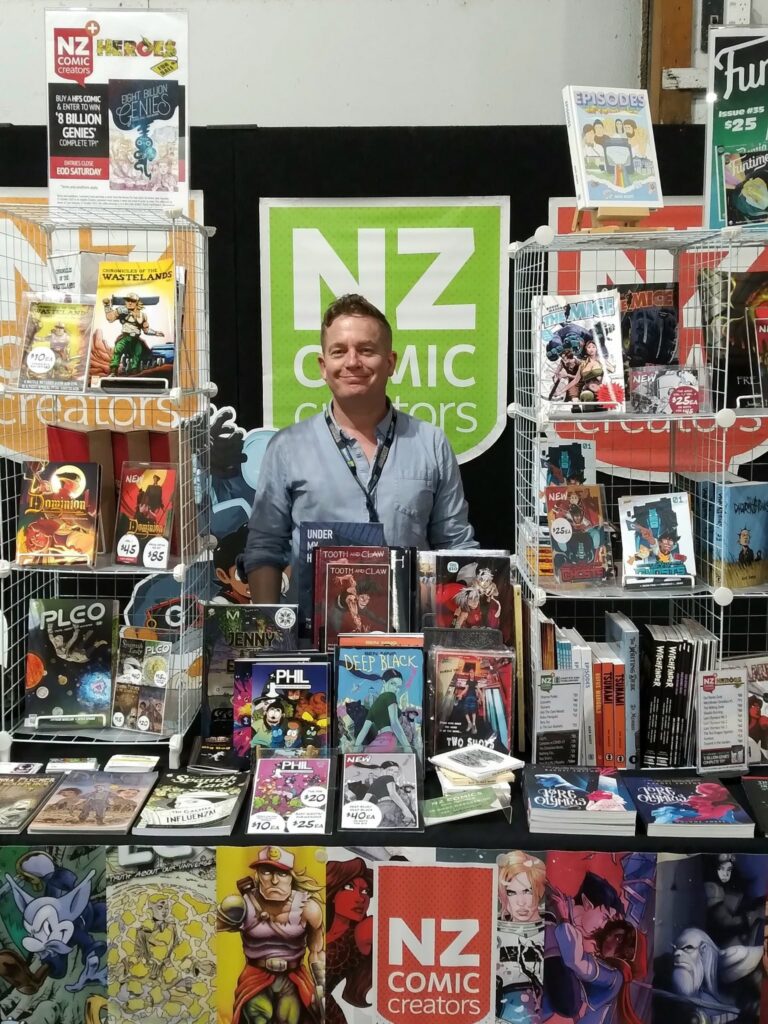
Tell us a bit about yourself and your work. What was your first experience of comics and your best known comics work?
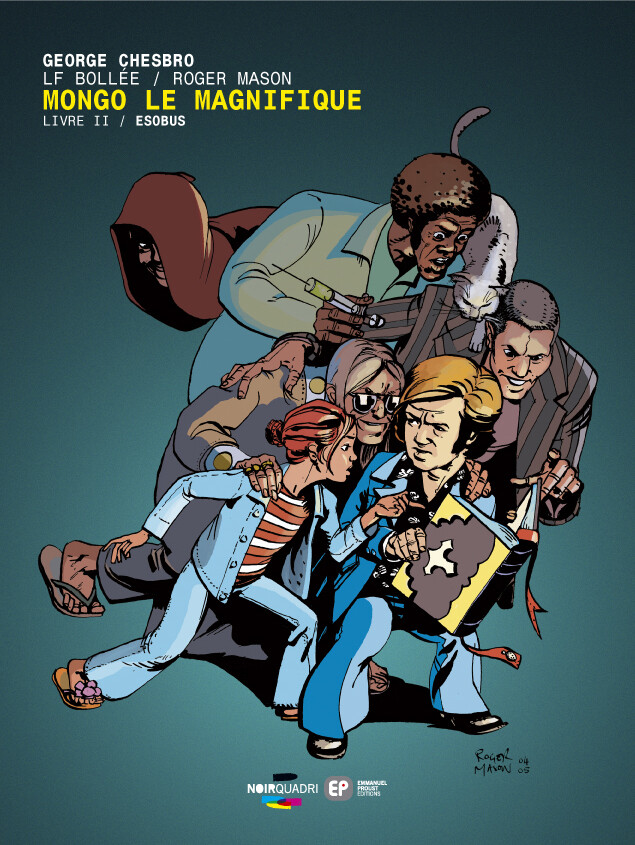
My first experience was self-publishing a comic for my art degree at Norwich in 1998. It’s called The Body Swap, and tells the story of a drunken skeleton hijacking a car ferry. I found a sympathetic local publisher who did me an amazing deal – something like 50 per cent off, as he liked the cut of my jib – and printed around 1000 copies. Diamond picked it up and Dave Sim liked it, which bowled me over. Later, I did a “Terror Tale” for Tharg [“Murdermind”, for Prog 1311, published in 2002, written by the late Steve Moore], and worked on crime comics for the French publisher Emmanuel Proust Editions. I went to Angouleme five years in a row and was paired with writer LF Bollée, who spoke English, easing our collaboration. We made London Inferno and Mongo le Magnifique.

Around 2005, I answered an ad in Comics International placed by Monkey Puzzle, a storyboard agency in London, looking for artists. Storyboarding for TV commercials and short films swiftly overwhelmed my output but I would, between jobs, work on The Mice. It became something I had to finish, as my other stories had trailed off, much to my frustration. It only took 25 years…
What inspired you to become a comic creator?
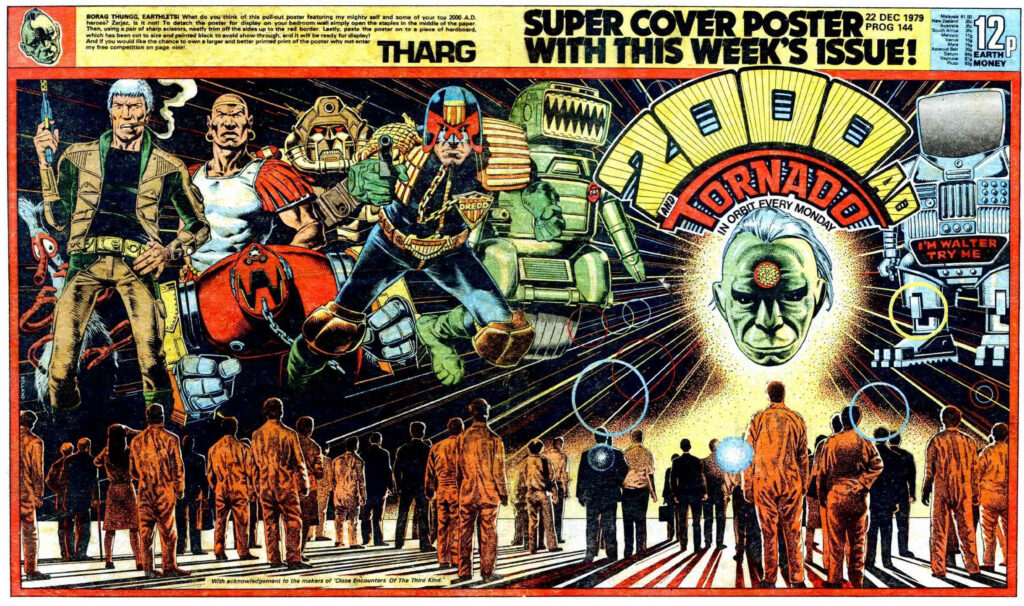
There was an old prog with Brian Bolland (and John M. Burns) doing a “Close Encounters”-style cover, and on the back of the wraparound you had Judge Dredd, Ro-jaws and other characters looming in a night sky.
This imageutterly impressed my young mind. Who were these people? Are they gods? It burned into my consciousness, truly iconic (whereas, at Boys Brigade, the wishy-washy, anodyne, pastel-coloured illustrations of Jesus made littleheadway). Later my brother and I read Transformers, Battle Action Force, Secret Wars, Nutty, Warlord, Victor, Beano, and 2000AD every week. Not to mention Dragon’s Claws, Spider-Man and Zoids, Whizzer and Chips,Whoopee and Wow. Plus my cousin’s stack of Marvel and DC.
Not many Commandos, as it happens. I was well schooled, and I’m grateful to my parents for buying all of those comics!
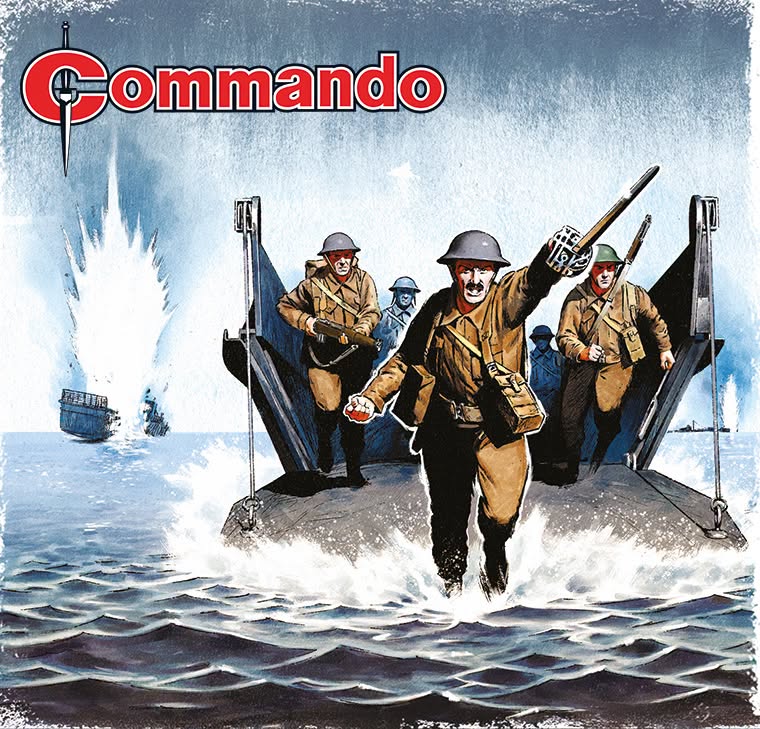
How did you gain a commission from the Commando team? Did you pitch to them, or did they pick up on the success of your own graphic novel, The Mice?
Since completing art on The Mice – and that’s all four books, 375 pages in total – I tried hard to produce my absolute best comic art to attract industry work. I drew 2000AD spec scripts and started sending them around. My friend, the inestimable Mike Collins, showed one to Commando editor Kate McAuliffe at DC Thomson and shewasted no time in signing me up. It was a delight how quickly it happened, considering some of my other dealings with the comic industry.
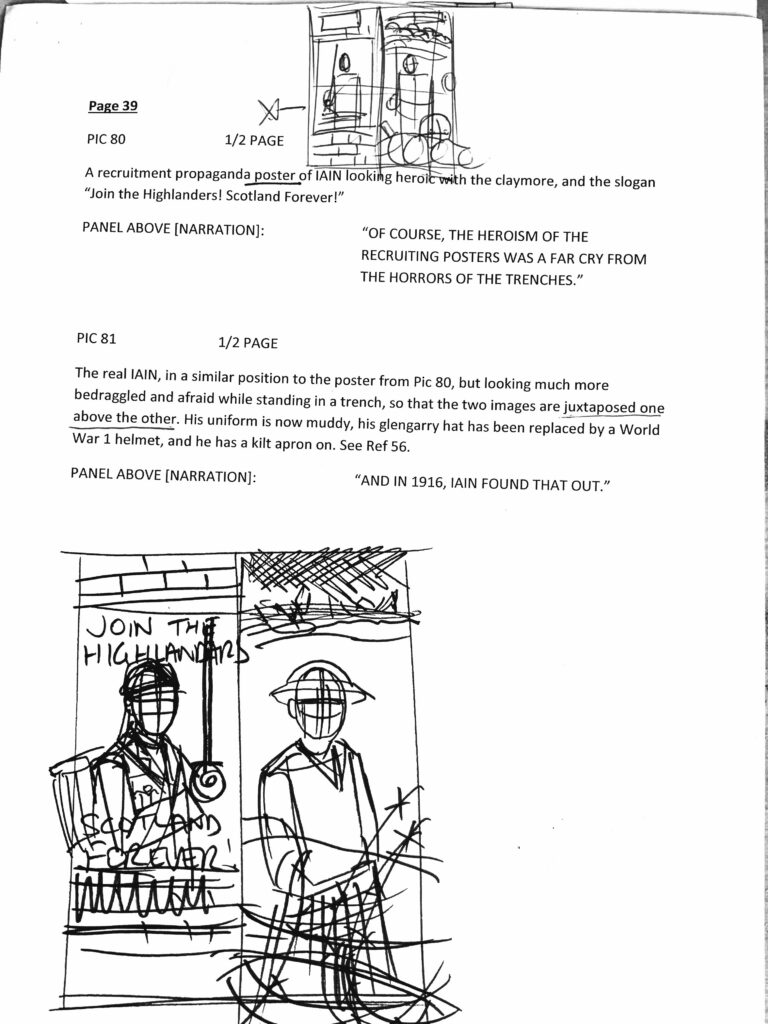
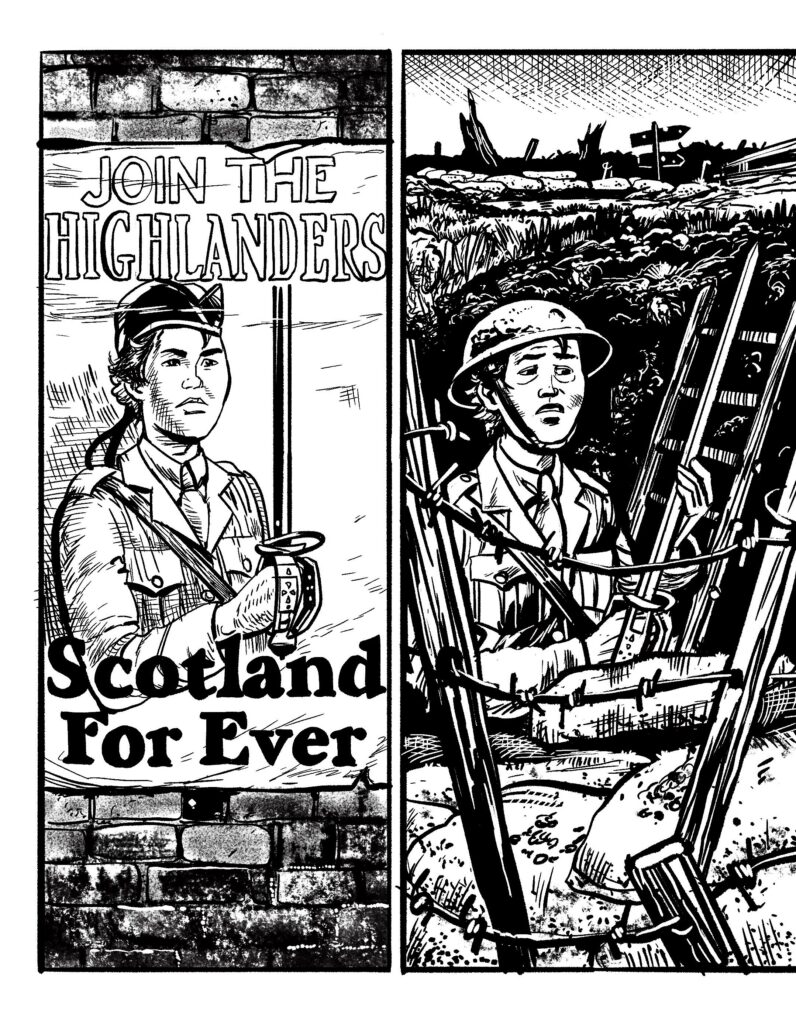
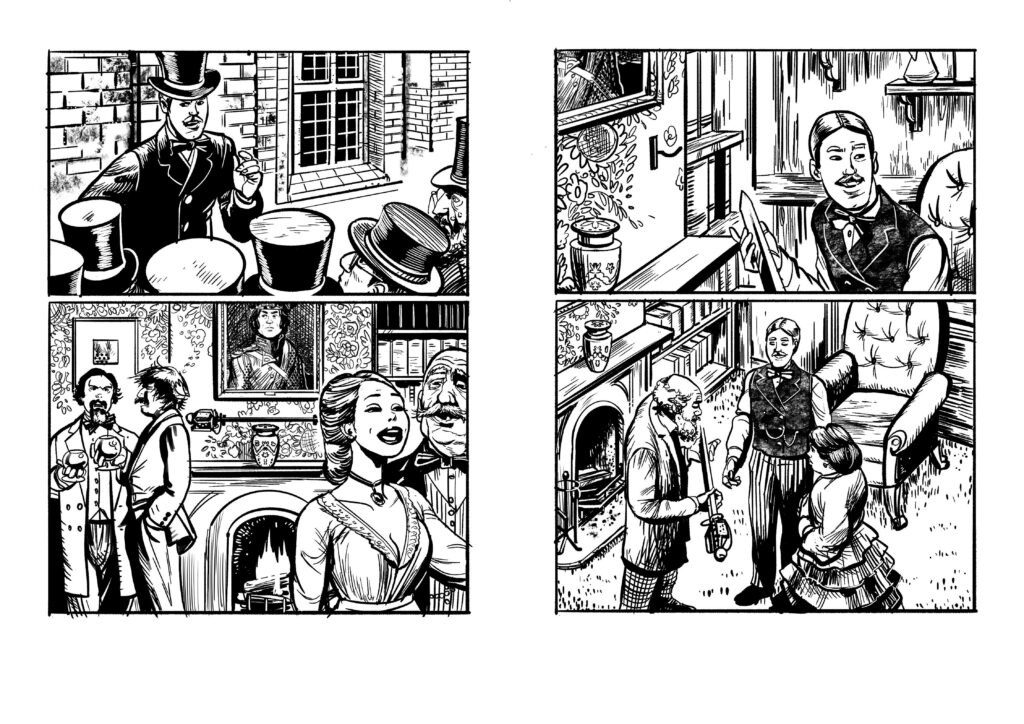
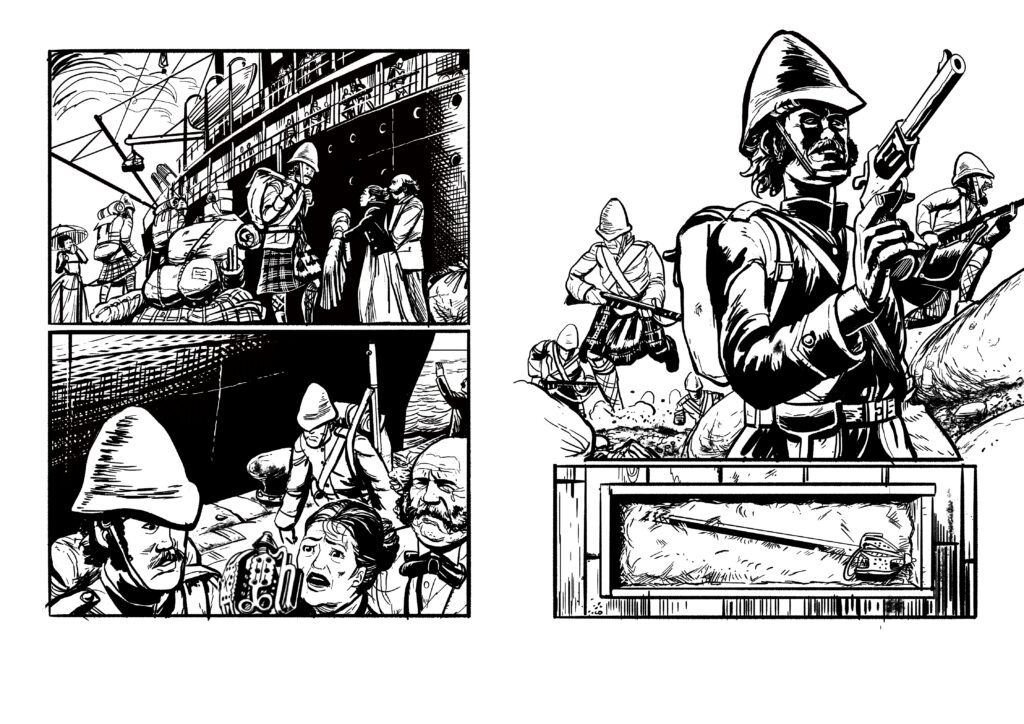
Your first Commando tale, “The Claymore”, written by Robbie MacNiven, is out this month. What were the biggest challenges drawing the story?
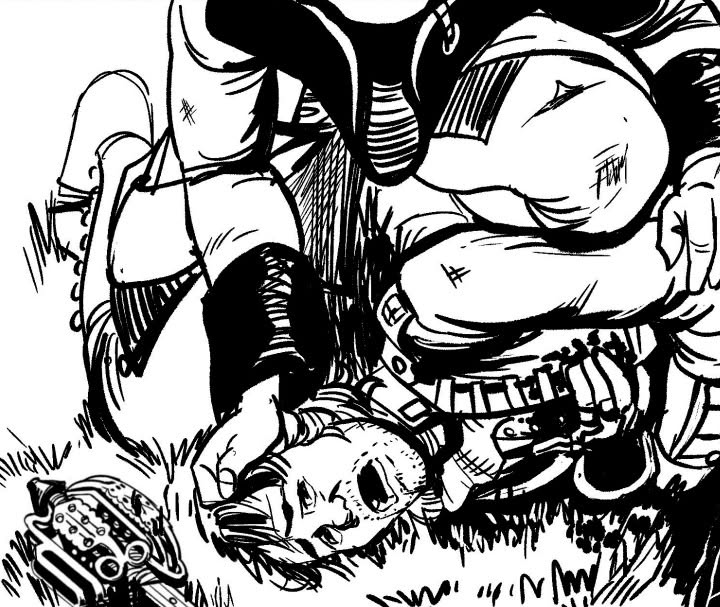
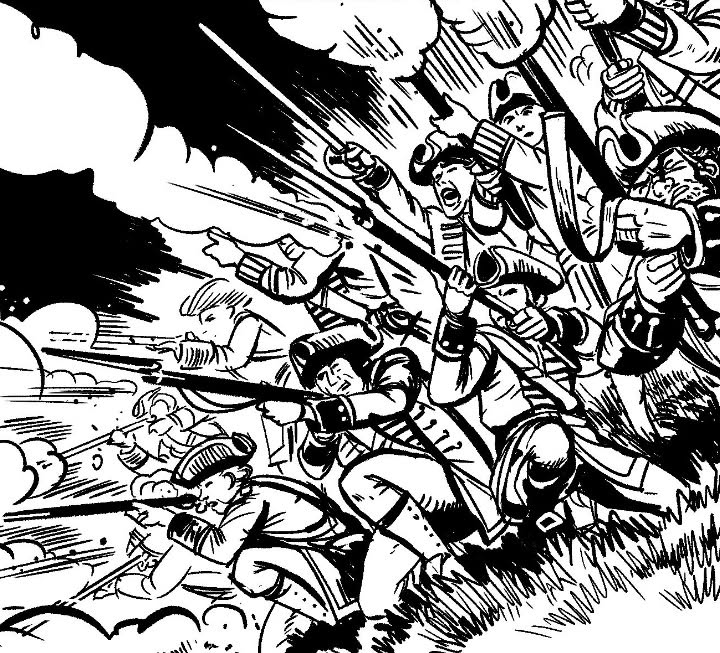
When I read Robbie MacNiven’s script I had a minor freak out. The story is about generations of the same familyover 300 years going to war, brandishing the titular sword. Not only was I drawing scenes from Culloden, Waterloo, Boer War, two world wars and the modern day, I needed to depict family members who resembled their ancestors. Ican’t imagine a more difficult first script. I had to lie down.
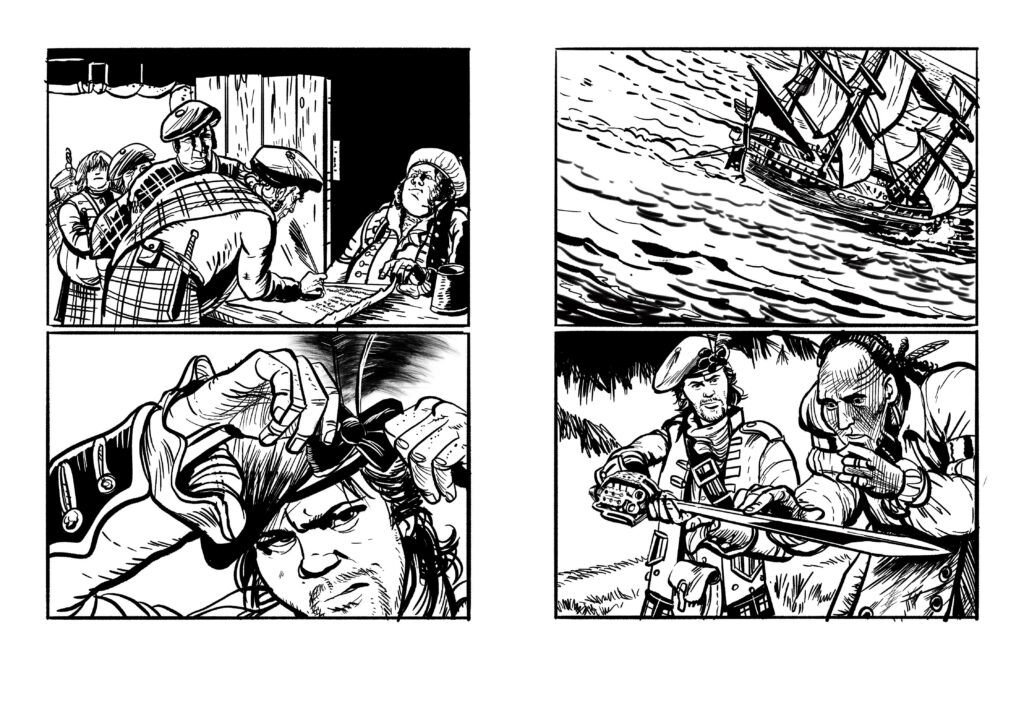
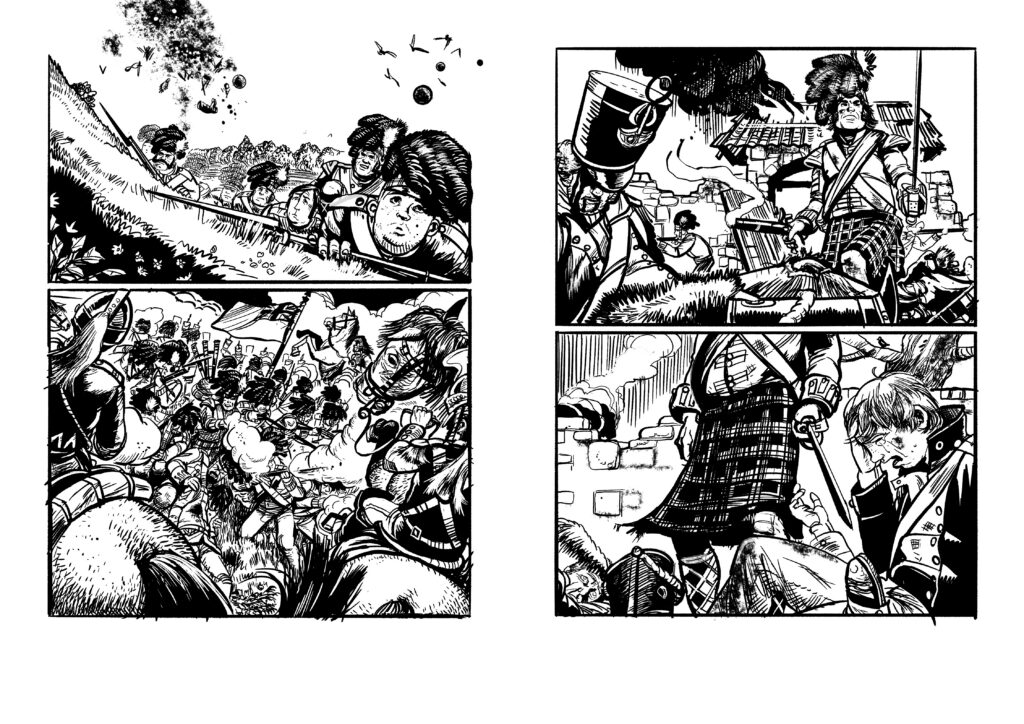
How do you go about sourcing reference for your work? Do Commando supply it as they used to?
Commando send a zip folder with the script and a pile of pertinent jpegs, all clearly labelled. I was told not to draw anyone smoking and to get the uniforms right. However, the more I looked at uniforms, the more difficult it was to pin down exactly what was worn when, plus things like, what did farms look like in 19th century South Africa? And everyone smoked! But, luckily, I have Google. War films are incredibly helpful, if you can find a good one. The period detail in Saving Private Ryan is more than enough for my needs as a comic artist.
Who would you consider your comic artist inspirations?
How to Draw Comics the Marvel Way was the foundation stone, given to me as a young teen. Bolland, Carlos Ezquerra, Steve Dillon, Ron Smith, Mike Mignola, Eddie Campbell, Frank Miller, John Byrne, Jaime Hernandez. Battle Action Force‘s John Cooper. And the best Transformers artist, Geoff Senior.
Nowadays, I adore Jack Kirby, but I didn’t back then. Latterly I love JH Williams’ work on Promethea.
I gather you’re currently working on a second Commando adventure, can you tell us more about that?
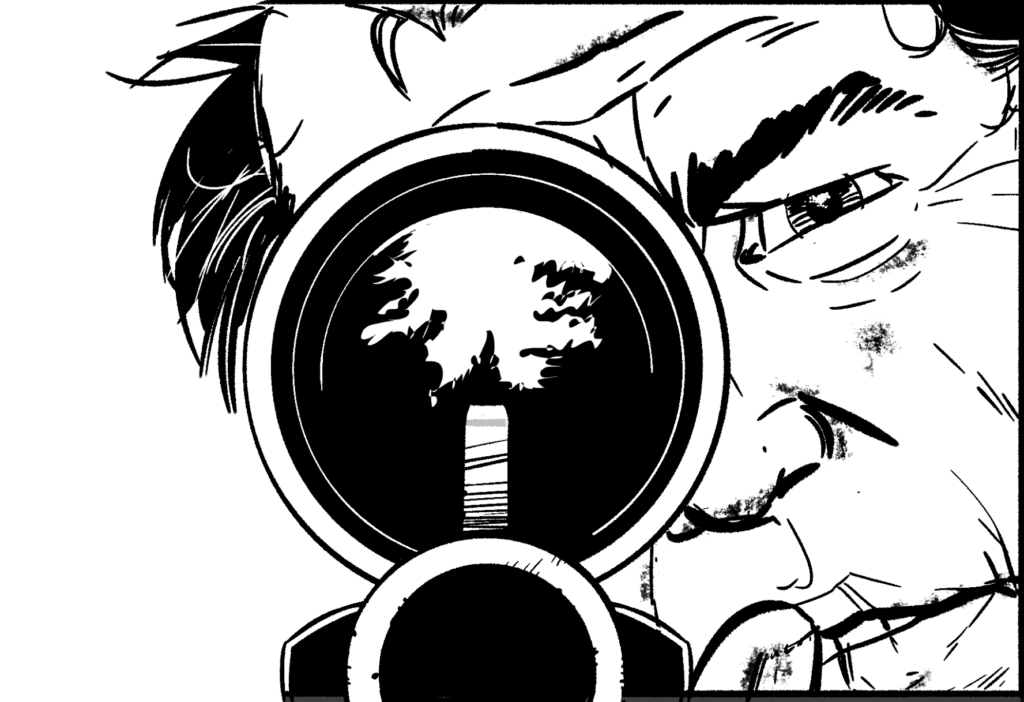
Actually, I’m barrelling through my third, as they keep giving me scripts. The second is titled All Who Live Under The Sky by Ian Winterton, about Vichy French soldiers fighting the British in Madagascar. This had fewer characters and is set in the same time period, although drawing jungles and pigs on spits was a challenge.
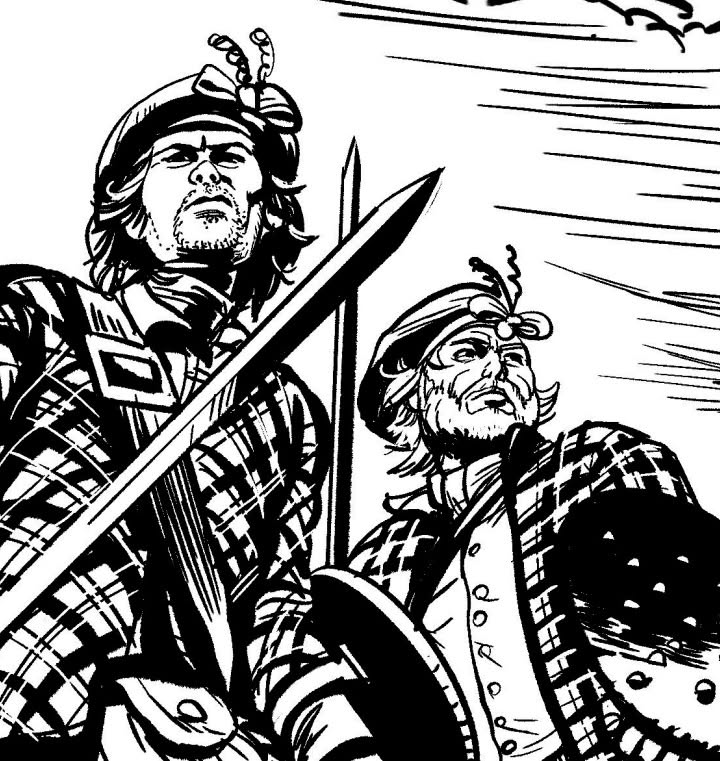
The third, and this one is allowing me to throw in some slapstick, is Commandos vs Barbarians by Andrew Knighton. Four doughty commandos are sucked into a time hole by an evil SS officer/occultist, and end up scrapping with Romans and Germanic tribes. The editor is OK with my making the violence quite cartoonish.
Challenges in this book include the sheer number of bodies in a frame, and pockets and straps on uniforms. It’s all drawn on iPad in Procreate, although I print off the script and draw scruffy thumbnails on that.
What do you think is the reason for the continued appeal of war comics?
War stories speak of humans acting under extreme conditions. You may die, you may cause your friend to die, things may happen in a split second that will change your life for ever. You may have to endure unspeakable suffering… and then die. I suspect most of us wonder how we’d fare in such circumstances and live vicariously through stories. Some war stories offer a reductive take on Good vs Evil and present a universe inherently capable of righting itself, which might be comforting. This may be erroneous but, that said, the US mid-terms could suggest otherwise. I think comics lend themselves to action, and I love drawing action.
Are there any major British characters or comics you are still hoping to draw professionally at some point?
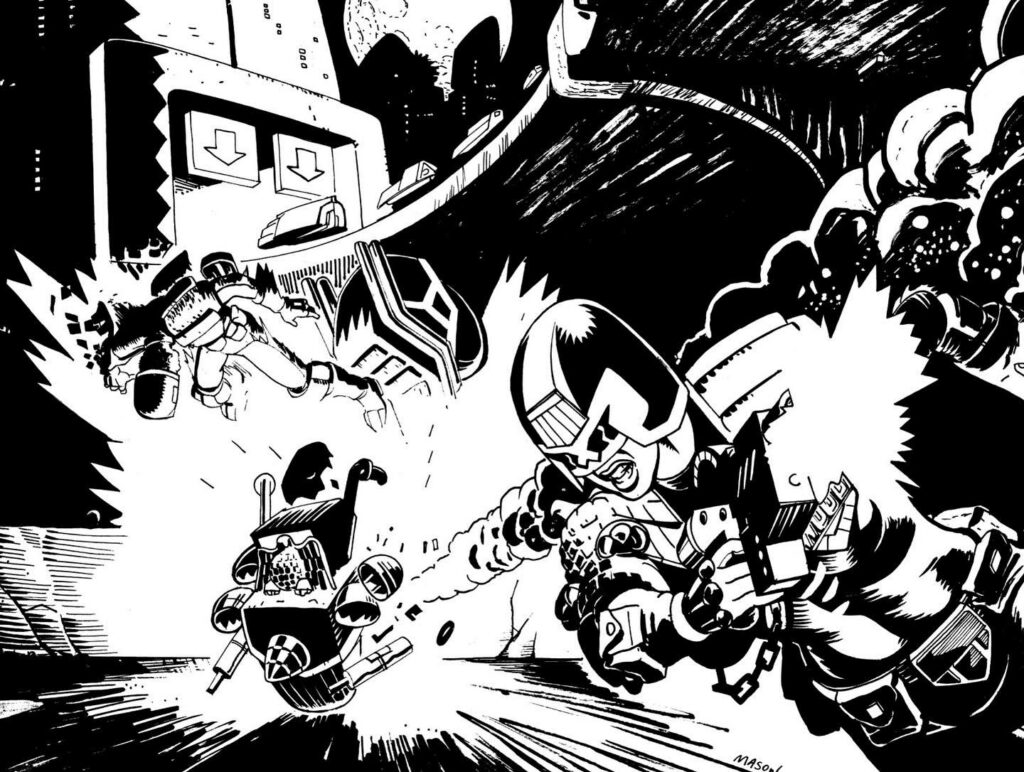
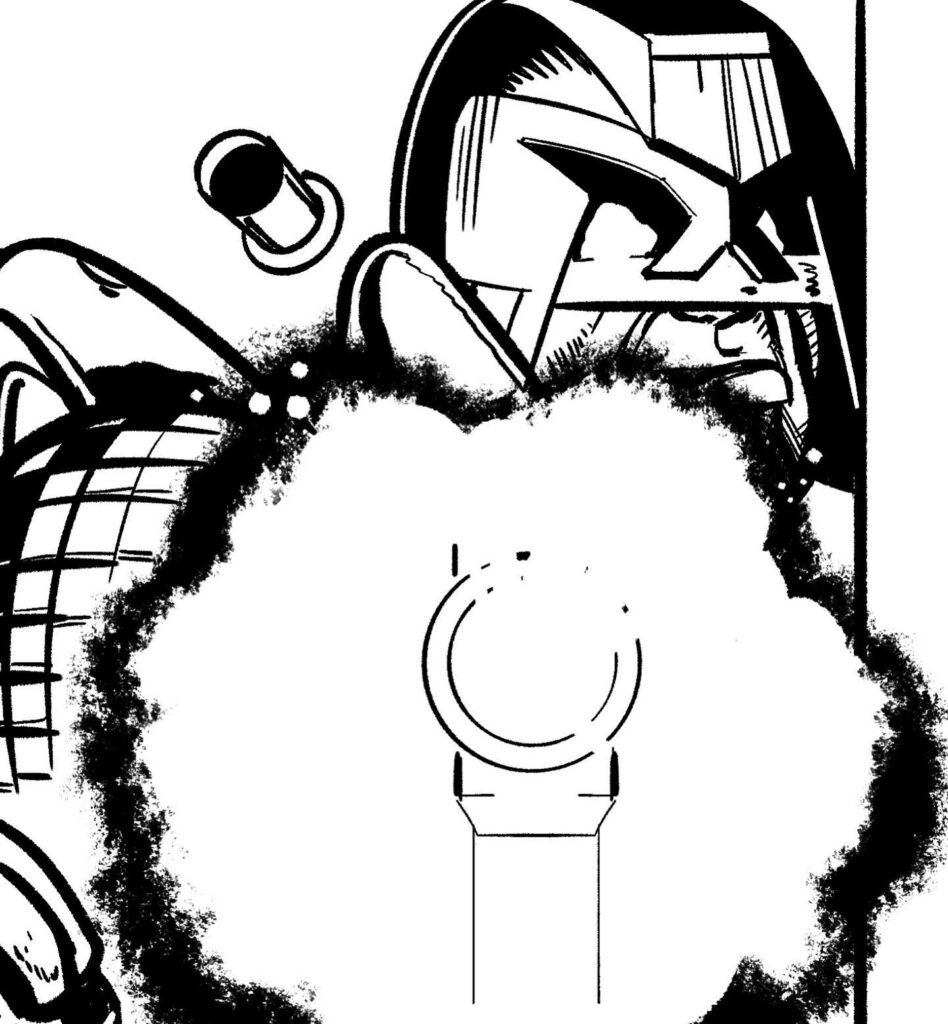
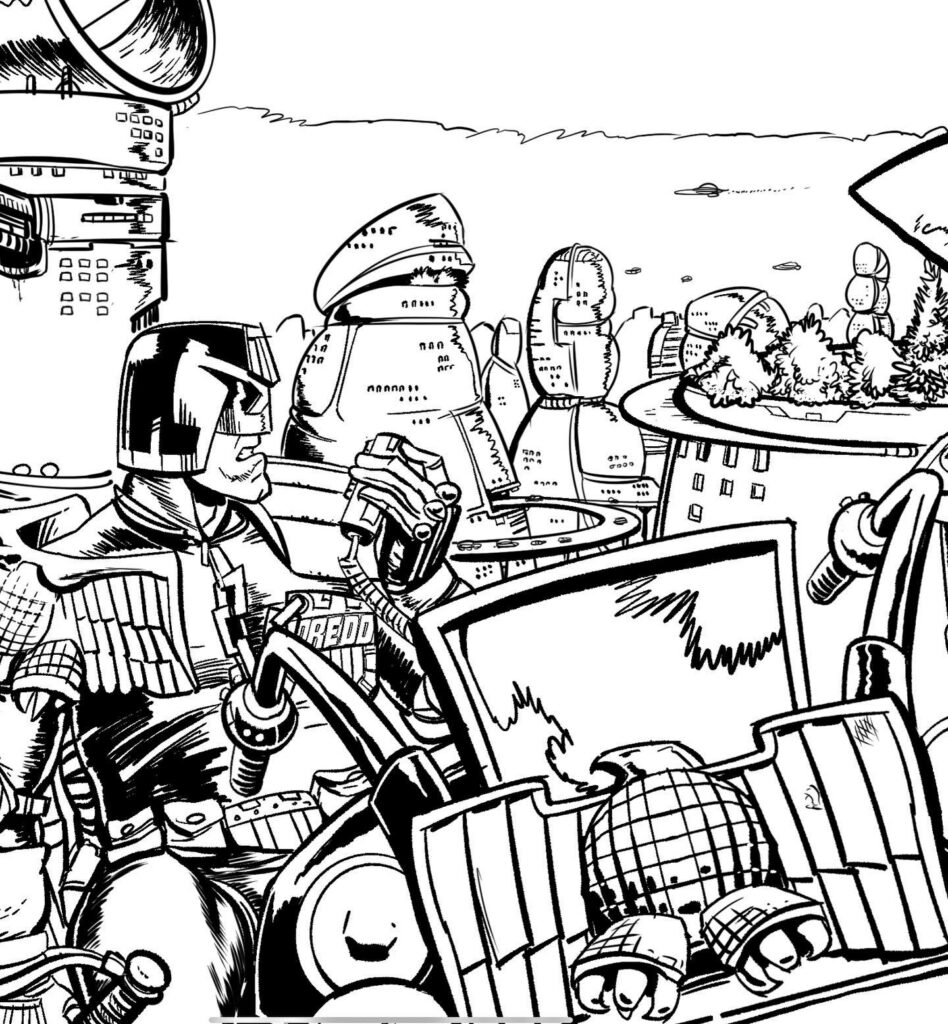
I’d love to draw Judge Dredd. John Wagner’s Dredd in the 1980s remains, for me, among the very best of comics. Preacher would have lit me up, had it been sent my way. I loved Union Jack Jackson, with his pals O’Bannon and the Sarge. Great comics. Anything at all by Alan Moore, and the more esoteric the better.
What would be the one piece of advice you’d give aspiring comic artists trying to find work with professional publishers?
Try to foster a personal connection with the contact; work very, very hard on your skills; go to life drawing; don’t spend too much time working on your own, as it creeps in and suddenly you’re sad.
Where else can we see your work?
You can find me online at looksgoodonpaper.co.uk and get copies of The Mice books via Markosia publishing.
Roger, thank you for your time and the very best of luck in all you do in future. We’re looking forward to your next Commando!
Commando 6013: The Claymore is on sale now. Check out our full guide to the new set here
• Commando Comics is online at commandocomics.com | DC Thomson – Subscriptions | Commando Comics on AmazonUK | Commando Comics on Magzter | Follow Commando Comics on Facebook | X | YouTube |
Head downthetubes for… The Mice
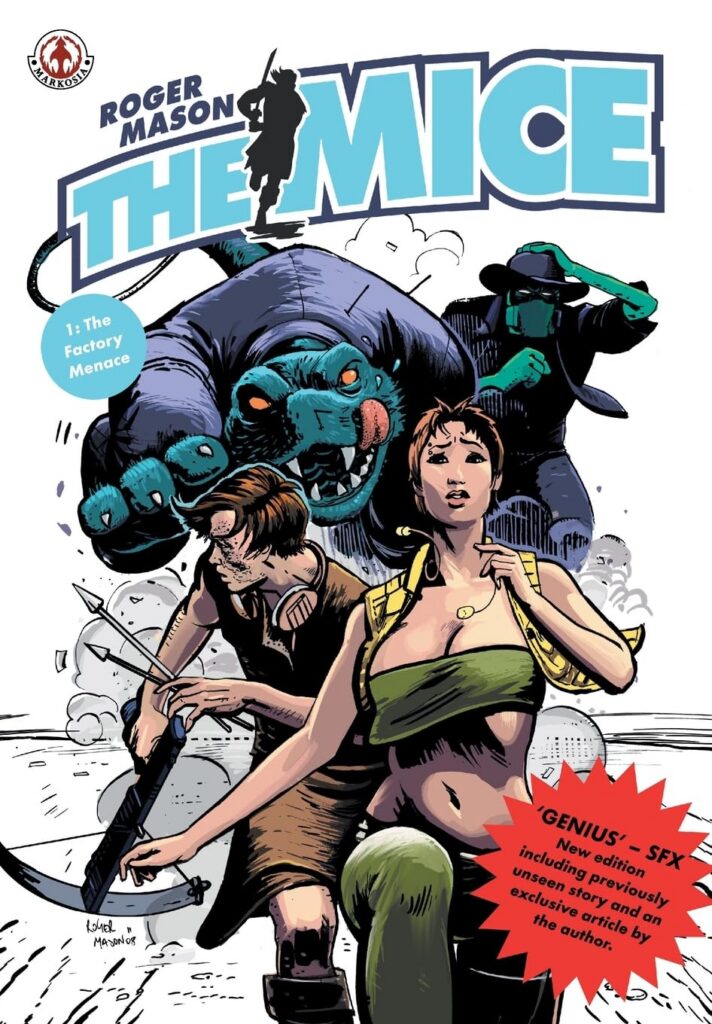
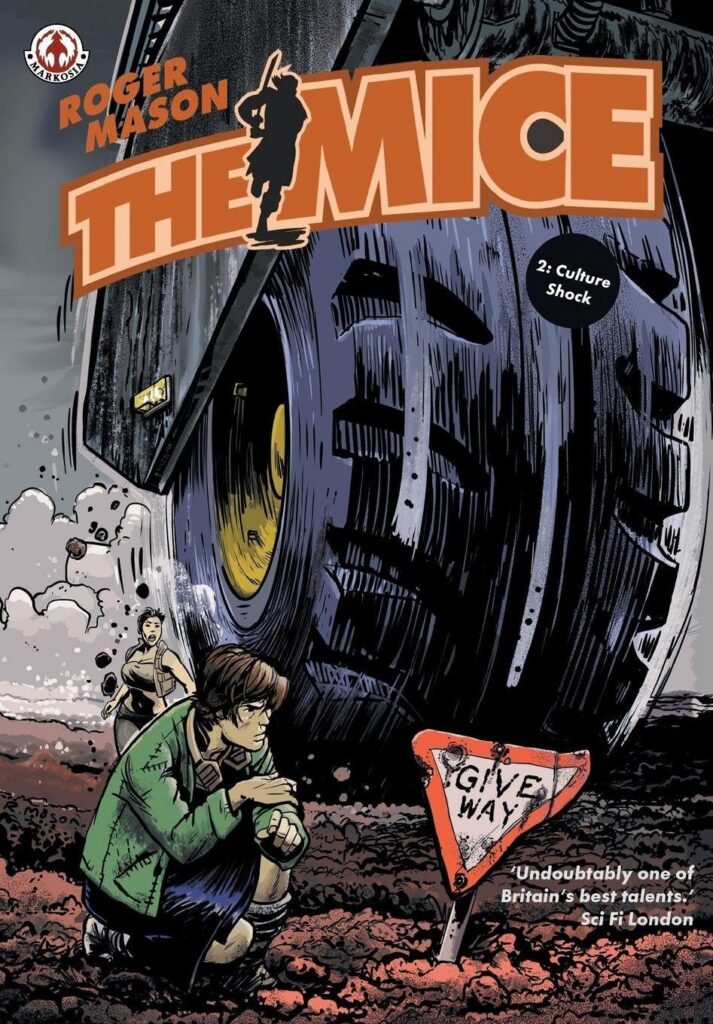
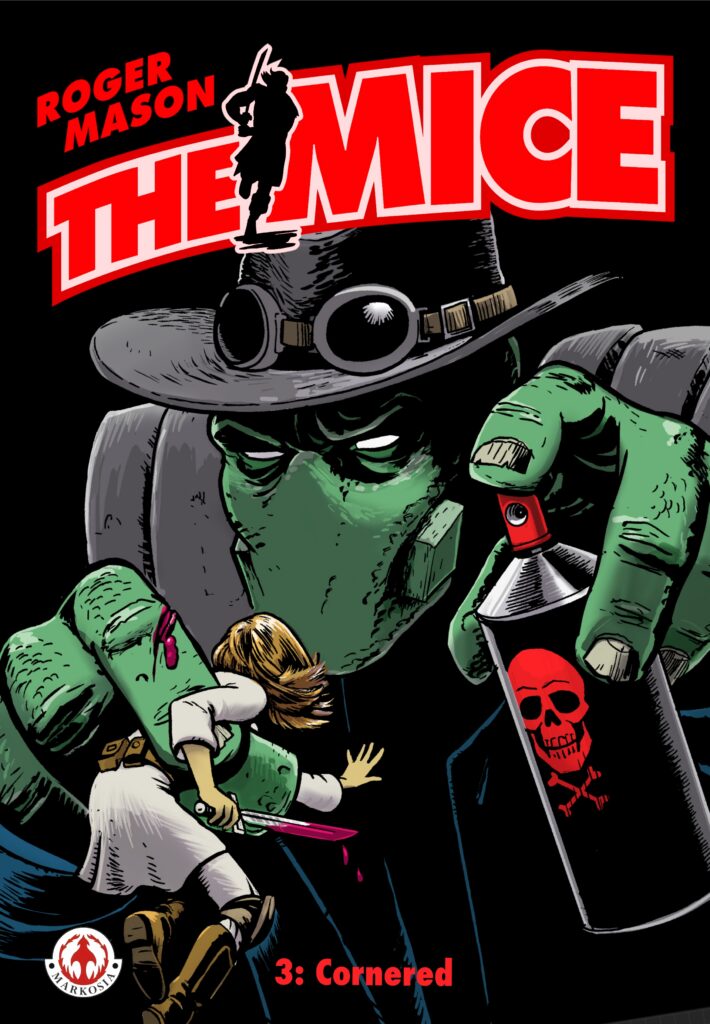
• The Mice: Book 1 – The Factory Menace (AmazonUK Affiliate Link)
Welcome to Order Nine, a giant alien factory where humans are The Mice.
A young couple fight impossible odds against alien invaders-aliens taller than trees, destroyers of civilisation and builders of soulless factories.
But as the aliens work 12-hour shifts, The Mice, under their feet, steal food, cut wires and plot revenge.
• The Mice: Book 2 – Culture Shock (AmazonUK Affiliate Link)
The Mice leave the factory and journey into the endless fields around it. Something is out there – something which will change the course of human and alien history for ever.
Meanwhile, the sinister factory manager is performing grisly experiments…
• Roger Mason was interviewed on the Plungecaset about his series The Mice last year…
- About the Author
- Latest Posts

John is the founder of downthetubes, launched in 1998. He is a comics and magazine editor, writer, and Press Officer for the Lakes International Comic Art Festival. He also runs Crucible Comic Press.
Working in British comics publishing since the 1980s, his credits include editor of titles such as Doctor Who Magazine and Overkill for Marvel UK, Babylon 5 Magazine, Star Trek Magazine, and its successor, Star Trek Explorer, and more. He also edited the comics anthology STRIP Magazine and edited several audio comics for ROK Comics; and has edited several comic collections and graphic novels, including volumes of “Charley’s War” and “Dan Dare”, and Hancock: The Lad Himself, by Stephen Walsh and Keith Page.
He’s the writer of comics such as Pilgrim: Secrets and Lies for B7 Comics; “Crucible”, a creator-owned project with 2000AD artist Smuzz; and “Death Duty” and “Skow Dogs”, with Dave Hailwood.
Categories: British Comics, British Comics - Current British Publishers, Comic Creator Interviews, Comics, Creating Comics, downthetubes Comics News, downthetubes News, Features
 6000 Not Out: A Chat with Commando writer Bill Graham
 6000 Not Out: A Chat with Commando cover artist Graeme Neil Reid
 6000 Not Out: A Chat with Commando Editor Kate McAuliffe
 Creating Comics: Scripting Spooky Strips
Leave a Reply