The newly-published The Daleks’ Master Plan: The Making of a Television Serial by Alan Stevens, illustrated by Tim Keable, from Magic Bullet Productions, is a book that should definitely be on the radar of Doctor Who and Dalek fans.
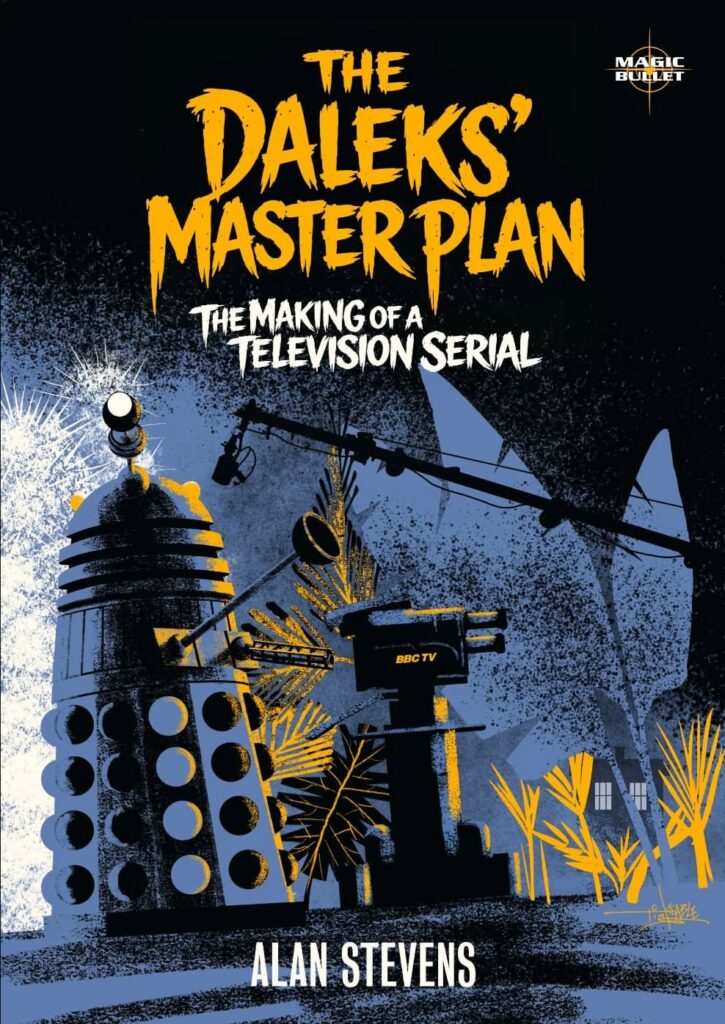
As we previously reported, the book, copies still available in paperback, reconstructs a tumultuous era of Doctor Who, not only exploring one of the show’s most ambitious and turbulent productions, but also exploring events around it that would, eventually, lead to the departure of William Hartnell, the First Doctor, and others from the series, and the recasting of the lead role. It offers informed context on a story that has split opinions among fans for decades, reignited in recent times by the discovery of some of its lost episodes, others still missing, wiped by the BBC.
Alan Stevens has written a detailed but very readable account of the making of the story, utilising exclusive interviews, personal letters, and hundreds of internal BBC memos, revealing a pivotal chapter in television history with unprecedented depth, putting its production in the context of the corporation’s wider experimentation of the time, staff issues, and noting the budgetary restrictions that reveal just how ambitious The Daleks’ Master Plan was.
Through close analysis of draft, rehearsal, and camera scripts, the book – a weighty tome – reveals new insights into both the on-screen drama and the chaos behind the scenes, and is a fascinating read that offers a deep dive into what was going on behind the scenes during the making of the story, the the intensity and issues faced by the Doctor Who production team, and the strain they placed on its cast and crew, particularly William Hartnell.
Just as Magic Bullet claim in their sales matter, The Daleks’ Master Plan: The Making of a Television Serial does indeed offer exhaustive coverage of the one-off story, Mission to the Unknown and the twelve-part epic The Daleks’ Master Plan, alongside a comparison with the Patrick Troughton-era classic The Invasion.
We’re also treated to a fascinating exploration of the evolving origins of the Daleks across television, comics, and prose at the time, as well as the story of “The Destroyers”, the pilot for Terry Nation’s unmade spin-off.
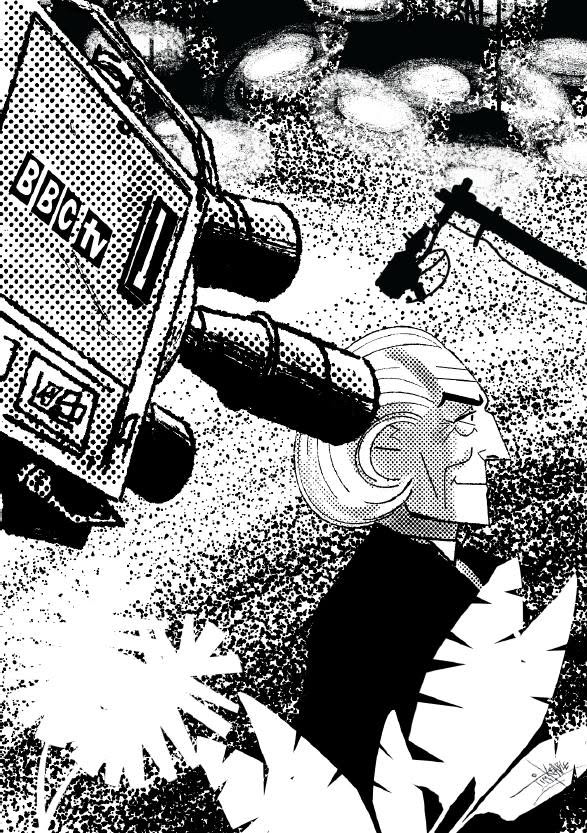
All in all, for fans of the 1960s era of Doctor Who, this new book will no doubt prompt many questions and further discussion of the period and is well worth your attention. Tim Keable’s original illustrations serve to beautifully complement the text, making it, as claimed, an essential record of a landmark television event.
John Freeman
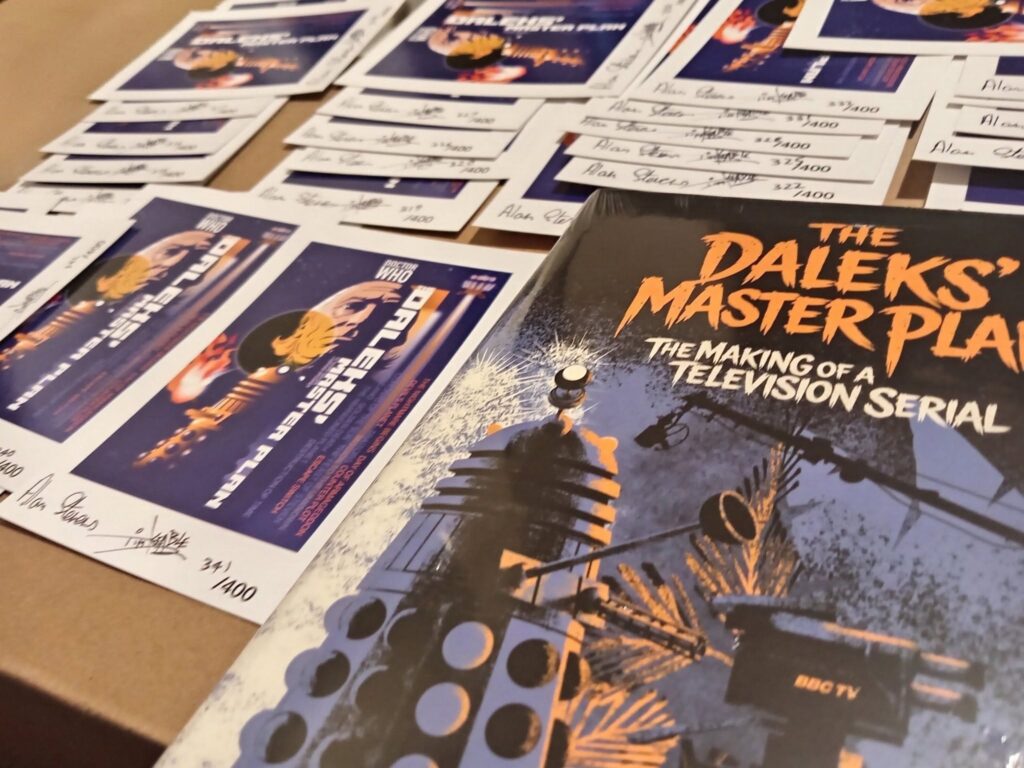
• The Daleks’ Master Plan: The Making of a Television Serial is available here in paperback; the limited edition hardback has sold out
• Listen to Alex Lewczuk’s interview with Alan Stevens et al
Alex Lewczuk has interviewed artist Tim Keable, page designer Paul Winter, and author Alan Stevens to explore Magic Bullet Publishing’s new release
• Watch surviving episodes of Doctor Who: The Daleks’ Master Plan on BBC iPlayer
Magic Bullet Productions is an independent audio-production company formed in 2001. While they were originally set up to produce the Kaldor City audios, they have also been known to turn our hand to magazines and (in collaboration) books as well. In 2004, they acquired the rights to produce Lawrence Miles’ Faction Paradox audio CDs.
• For the further updates and behind-the-scenes snippets follow Magic Bullet on Facebook
- About the Author
- Latest Posts

John is the founder of downthetubes, launched in 1998. He is a comics and magazine editor, writer, and Press Officer for the Lakes International Comic Art Festival. He also runs Crucible Comic Press.
Working in British comics publishing since the 1980s, his credits include editor of titles such as Doctor Who Magazine and Overkill for Marvel UK, Babylon 5 Magazine, Star Trek Magazine, and its successor, Star Trek Explorer, and more. He also edited the comics anthology STRIP Magazine and edited several audio comics for ROK Comics; and has edited several comic collections and graphic novels, including volumes of “Charley’s War” and “Dan Dare”, and Hancock: The Lad Himself, by Stephen Walsh and Keith Page.
He’s the writer of comics such as Pilgrim: Secrets and Lies for B7 Comics; “Crucible”, a creator-owned project with 2000AD artist Smuzz; and “Death Duty” and “Skow Dogs”, with Dave Hailwood.
Categories: Books, Doctor Who, Features, Other Worlds, Reviews, Television
 Target: 2025
 Video Review: The Fantastic Art of Ron Turner
 Target Fifteen! New Doctor Who novels in the spotlight
 Doctor Who: Feel the Literary Love!
Leave a Reply