The U.S. Supreme Court has declined to hear Stephen Thaler’s appeal over copyright protection for artwork generated by his AI system, DABUS. Lower courts had upheld the U.S. Copyright Office’s rejection, stating copyright requires a human author – and AI-created art is ineligible for copyright protection.
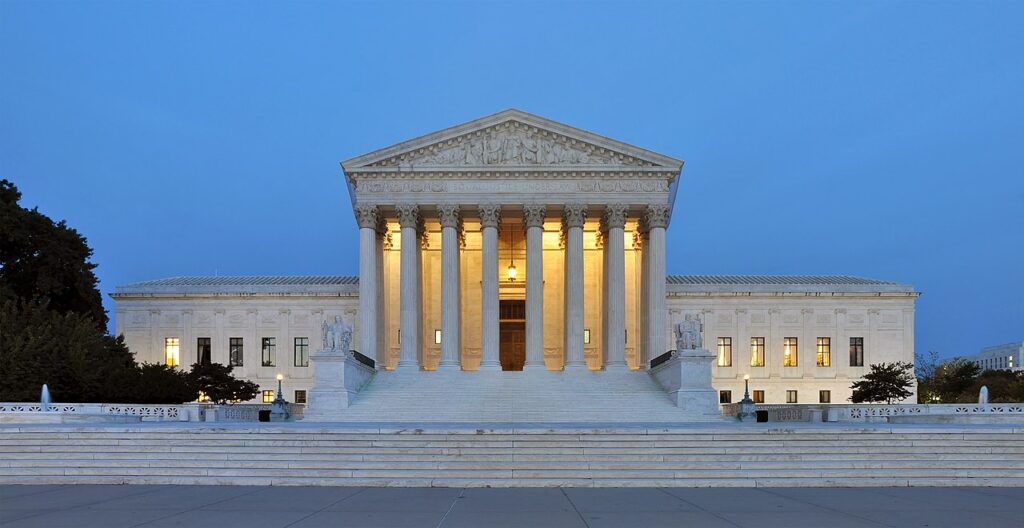
Reuters reports that by refusing the case, the Court leaves that standard untouched. Fully autonomous AI works remain ineligible and America’s highest judicial court won’t reconsider that decision.
“It’s rare for the Supreme Court to do anything for society’s benefit these days,” notes Matt Schimkowitz over at Paste Magazine, “…But, for once, by refusing to do anything, they’ve struck a win for artists.”
The Verge notes Thaler had asked the Supreme Court to review earlier rulings in October 2025, arguing it “created a chilling effect on anyone else considering using AI creatively.”
“This is a structural checkpoint for generative AI,” the team at AI Secrets, a website covering AI development, observes. “Billions are flowing into systems that can produce images, music, code, and marketing assets at industrial scale.
“Yet if no human authorship is demonstrated, those outputs are legally ownerless. That undercuts exclusivity, weakens defensibility, and complicates IP valuations across media, software, and design markets.”
Last year, the U.S. Copyright Office issued new guidance that says AI-generated artwork based on text prompts isn’t protected by copyright.
- About the Author
- Latest Posts

John is the founder of downthetubes, launched in 1998. He is a comics and magazine editor, writer, and Press Officer for the Lakes International Comic Art Festival. He also runs Crucible Comic Press.
Working in British comics publishing since the 1980s, his credits include editor of titles such as Doctor Who Magazine and Overkill for Marvel UK, Babylon 5 Magazine, Star Trek Magazine, and its successor, Star Trek Explorer, and more. He also edited the comics anthology STRIP Magazine and edited several audio comics for ROK Comics; and has edited several comic collections and graphic novels, including volumes of “Charley’s War” and “Dan Dare”, and Hancock: The Lad Himself, by Stephen Walsh and Keith Page.
He’s the writer of comics such as Pilgrim: Secrets and Lies for B7 Comics; “Crucible”, a creator-owned project with 2000AD artist Smuzz; and “Death Duty” and “Skow Dogs”, with Dave Hailwood.
Categories: downthetubes News
 E.C. Tubb’s “Cap Kennedy” Saga: Background To a Space Hero Saga
  Tube Surfing: British Comic Kickstarters, Our Latest Top Picks
  Cosmic Lighthouse “Murderbot” graphic novel tie-in smashes crowdfunding target
  2000AD announces 50th Anniversary Event next March