David Ferguson brings you a spooky bonus 5 Things this month, diving into the monster movies of the 1930s…
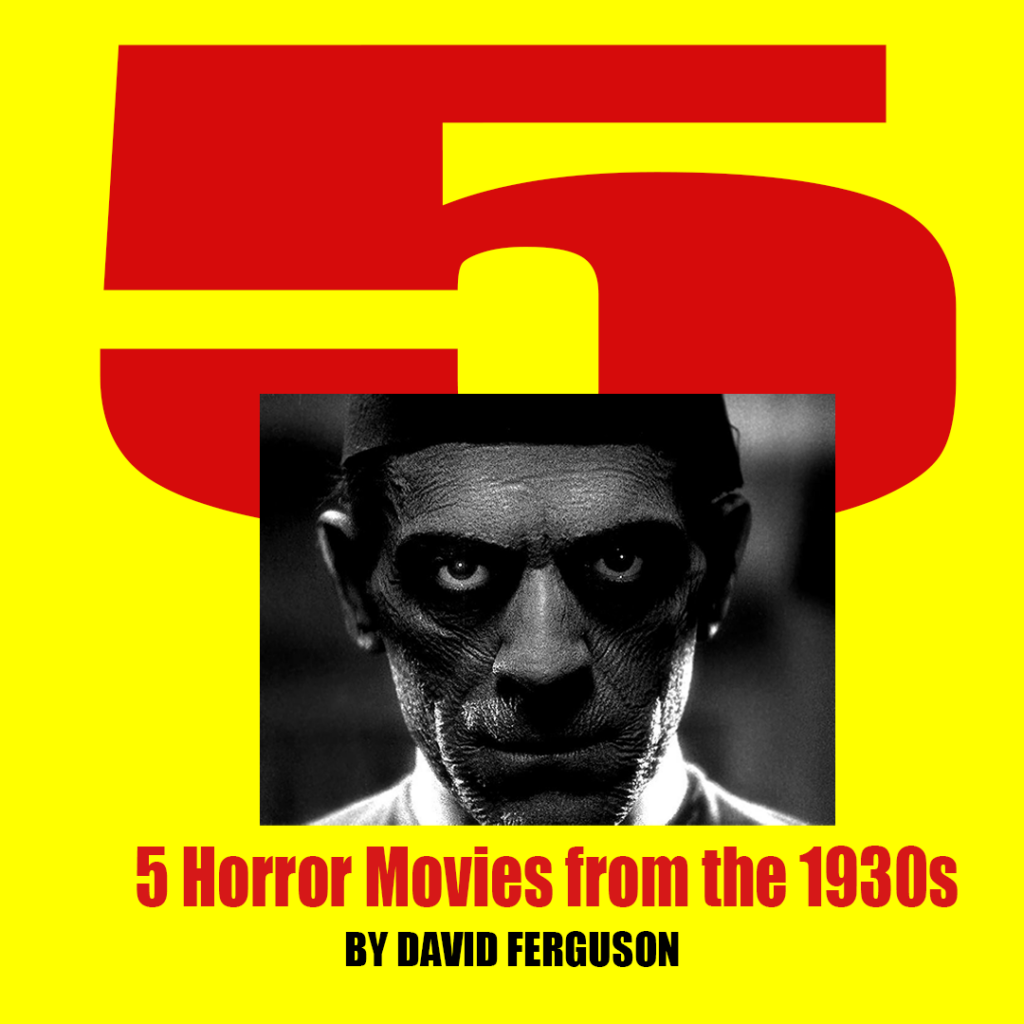
Starting out with James Whale’s movies and then moving into other horror movies of the 1930s, you’ll probably notice I did not include Universal Pictures iconic Frankenstein (1931), starring Boris Karloff, or Dracula (1931), starring Bela Lugosi. Both are excellent pre Production Code movies that I did try out for the first time and heartily endorse. However, I wanted to include one deep cut and I’m going to argue that Frankenstein (1931) isn’t the best Frankenstein movie of the 1930s. Starting you out with that shock, here’s my five films…
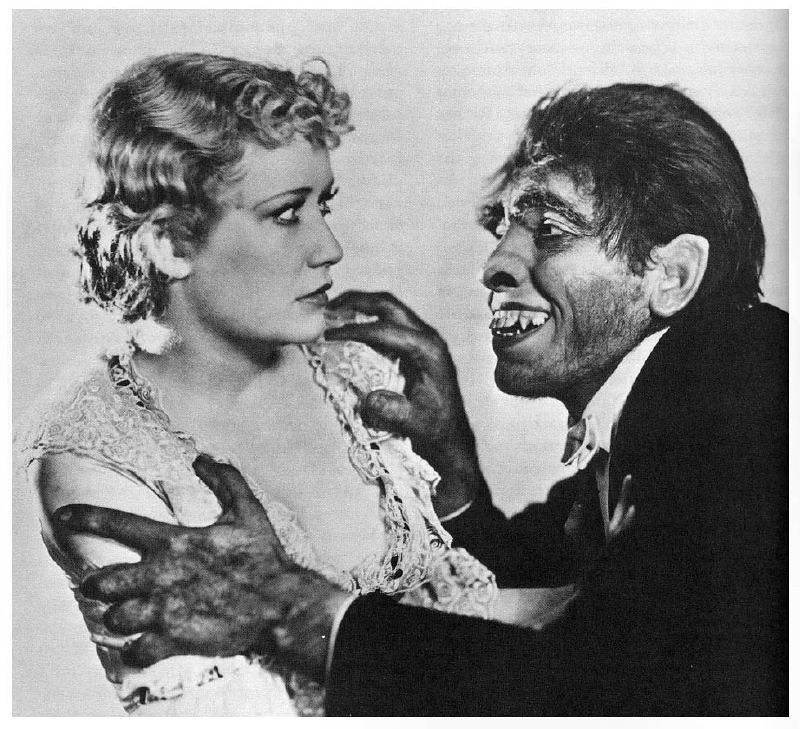
Dr. Jekyll and Mr. Hyde (1931)
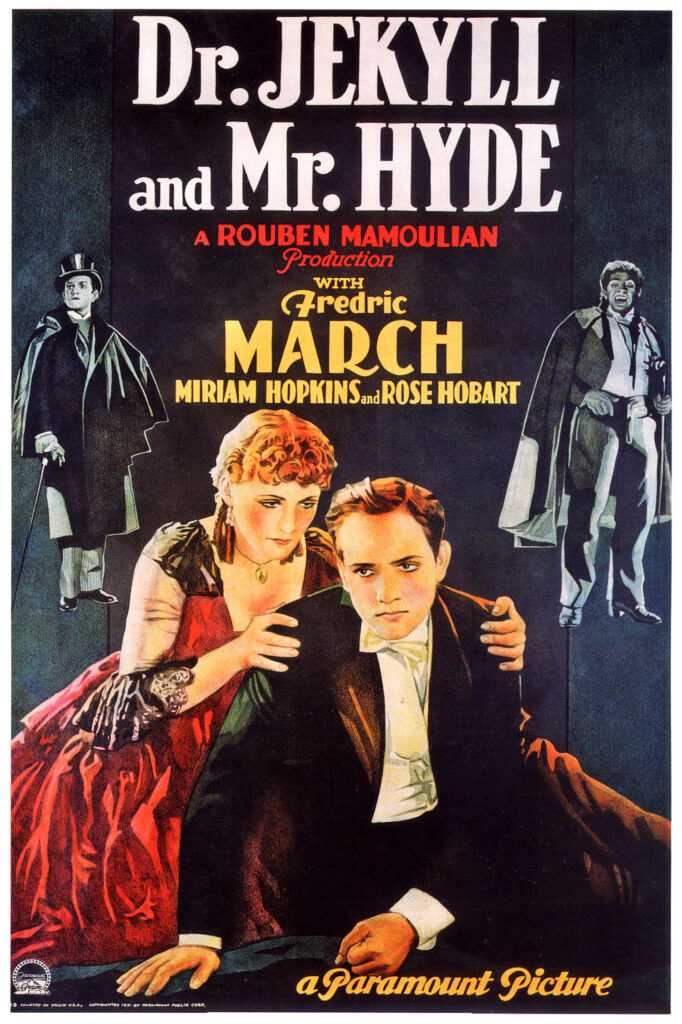
Directed by Rouben Mamoulian
Screenplay by Samuel Hoffenstein and Percy Heath, based on The Strange Case of Dr. Jekyll and Mr. Hyde (1886) by Robert Louis Stevenson
Cast includes: Fedric Marsh and Miriam Hopkins
The story of a mild mannered scientist who takes a potion that turns him into a homicidal maniac is familiar to most people. This is not even the first film adaptation, but it is notable for the excellent acting, dramatic tension and striking visual effects seen during the transformation sequence.
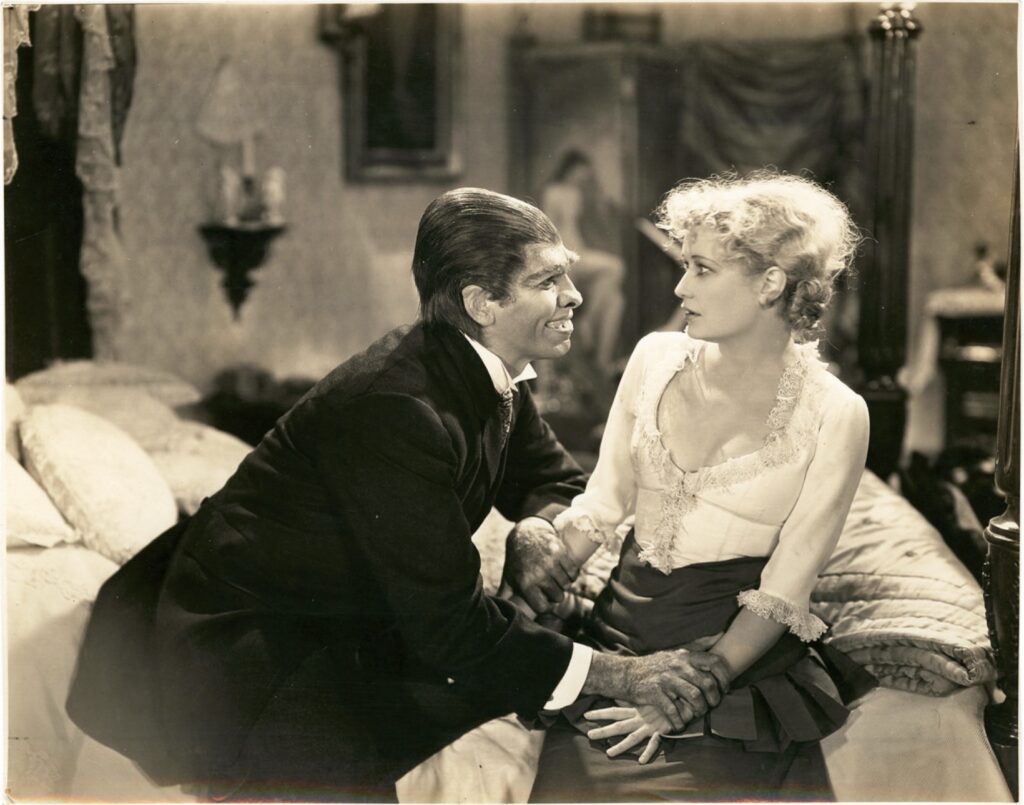
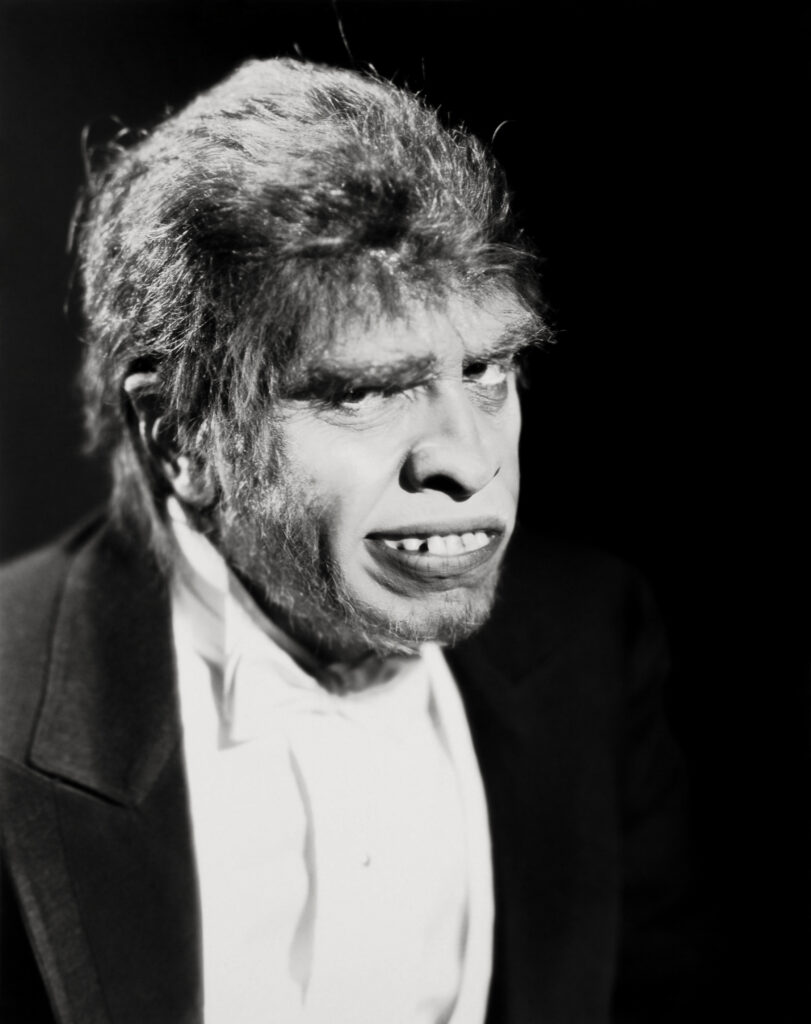
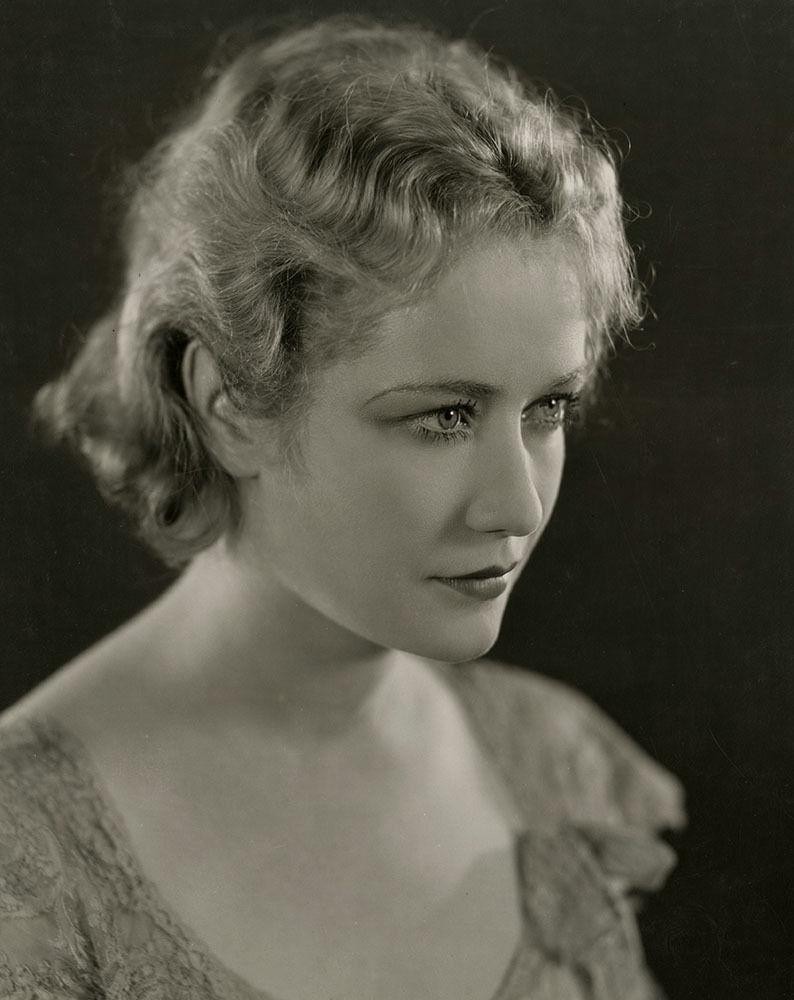
Fedric Marsh won an Academy Award for best actor in the title roles. The film was also nominated for Best Adaption Writing and, unsurprisingly, Best Cinematography. The film, like many on this list, was made prior to the full enforcement of the Production Code (Pre-Code) and the sexual content, mainly related to the character of Ivy (Miriam Hopkins), the bar singer, is quite striking compared to other films of the era. It is nothing explicit and it is extremely tame to modern eyes. The film was cut by eight minutes when it was re-released in 1936.
The Old Dark House (1932)
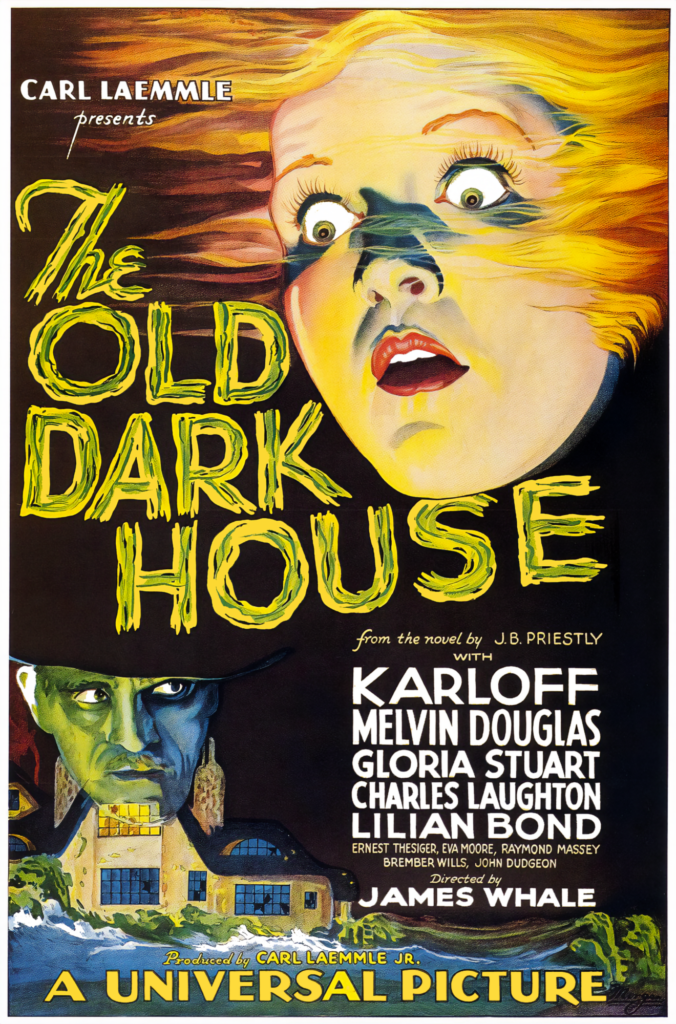
Directed by James Whale
Screenplay by Benn W. Levy, based on the novel Benighted (1927) by J.B. Priestly.
Cast includes: Boris Karloff, Gloria Stuart and Ernest Thesiger
Philip Waverton (Raymond Massey), his wife Margaret (Gloria Stuart) and their friend Roger Penderel (MelynDouglas) are lost while driving at night in a heavy storm. They come upon an old house in the Welsh countryside, where they receive shelter from Horace Femm (Ernest Thesiger) and his sister Rebecca (Eva Moore). Boris Karloff plays the brutish Morgan Femm.
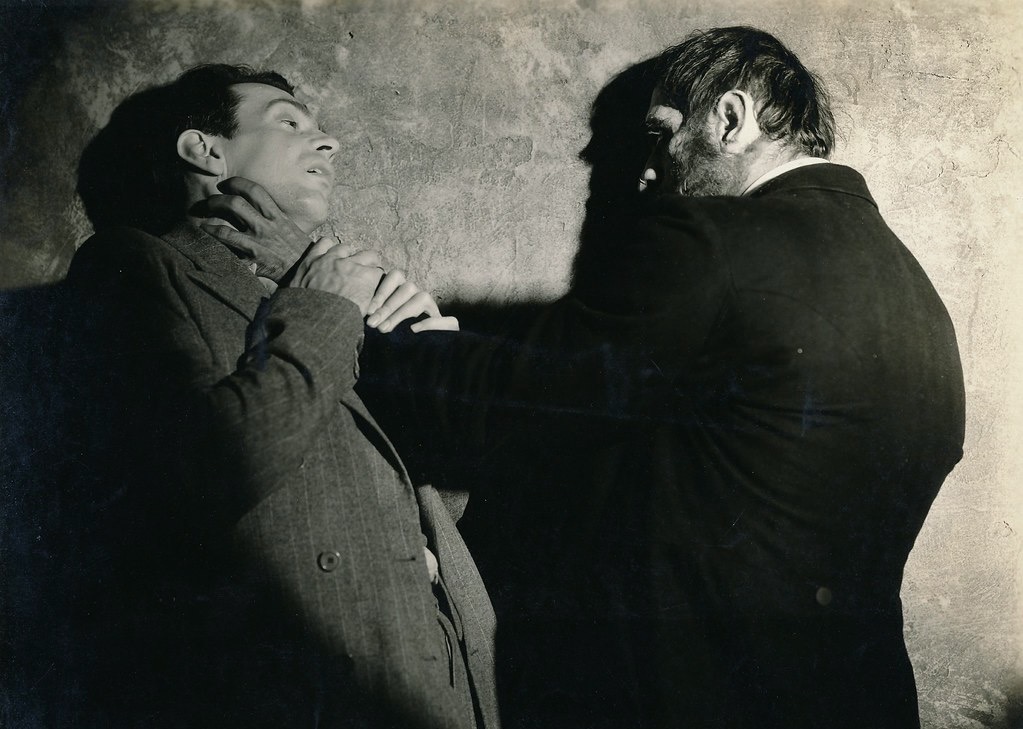
This is my deep cut, although it is a very well regarded film. Karloff, of too numerous monster movies to list, plays the drunk monster to his usual high standard but I was captivated by the performance of Ernest Thesiger as the queer coded Horace, who is fond of a bit of gin. The actor had a very interesting life and popped up in a few horror movies including The Ghoul (1933) and Bride of Frankenstein (1935). Gloria Stuart pops up again in The Invisible Man (1933) and, most famously, in an Academy Award nominated performance, in Titanic (1997).
The Mummy (1932)
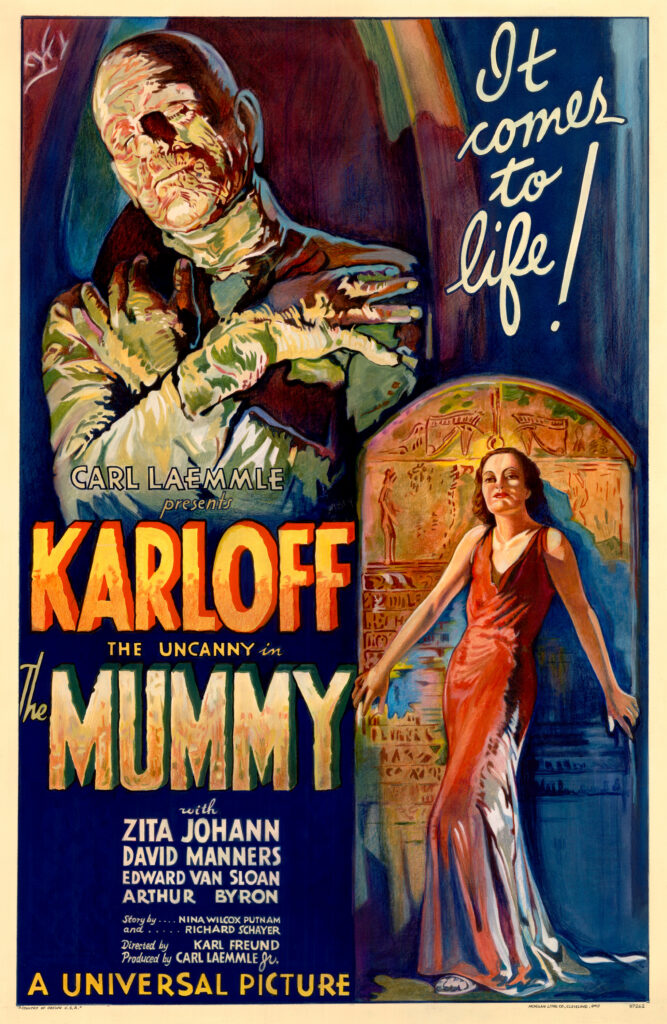
Directed by Karl Freund
Screenplay by John L. Balderston, adapted from a treatment written by Nina Wilcox Putnam and Richard Schayer
Cast includes: Boris Karloff, David Manners and Edward Van Sloan
In 1921, an archaeological expedition led by Sir Joseph Whemple (Artur Byron) finds the mummy of an ancient Egyptian high priest named Imhotep. Whemple’s friend Dr. Muller (Edward Van Sloan) inspects the mummy and deduces that Imhotep had been buried alive. Despite Muller warning against it, Sir Joseph’s assistant, Ralph Norton (Bramwell Fletcher), opens a casket and finds the “Scroll of Thoth”. He reads the words out load while translating them, causing the mummy to rise from the dead. Norton is horrified and laughs hysterically as Imhotep shuffles off with the scroll.
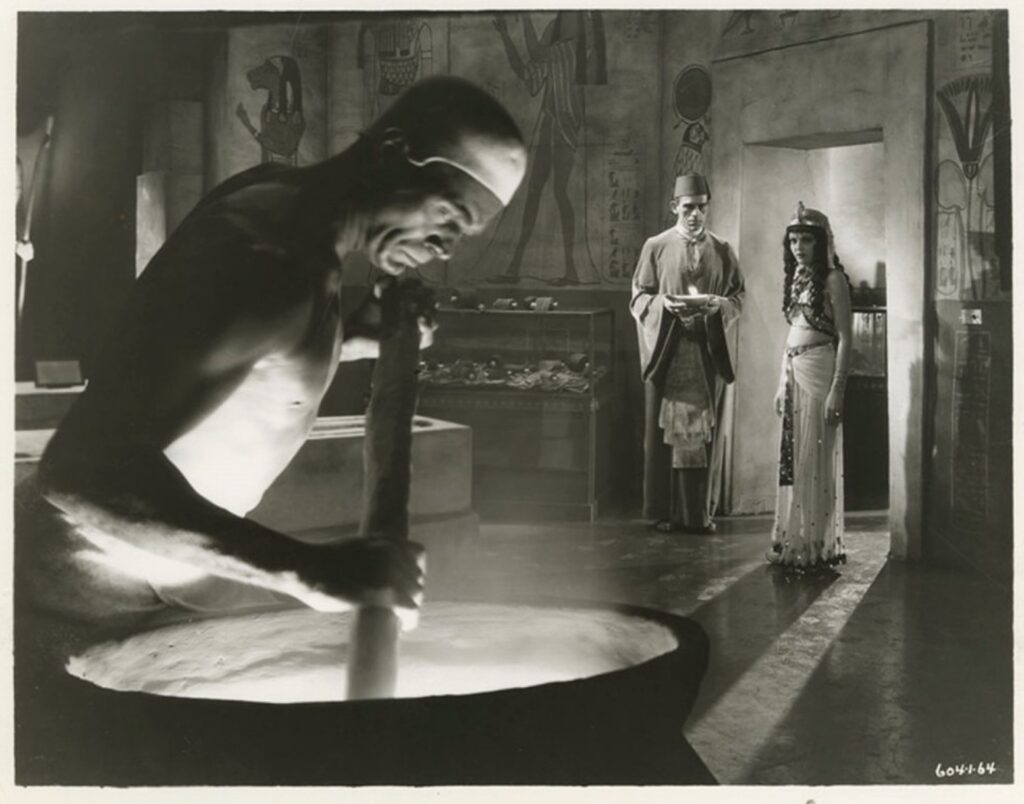
Years later, an eccentric Egyptian historian named Ardath Bey(Boris Karloff) shows Sir Joseph’s son Frank (David Manners) where to find the tomb of the princess Ankh-es-en-Amon…
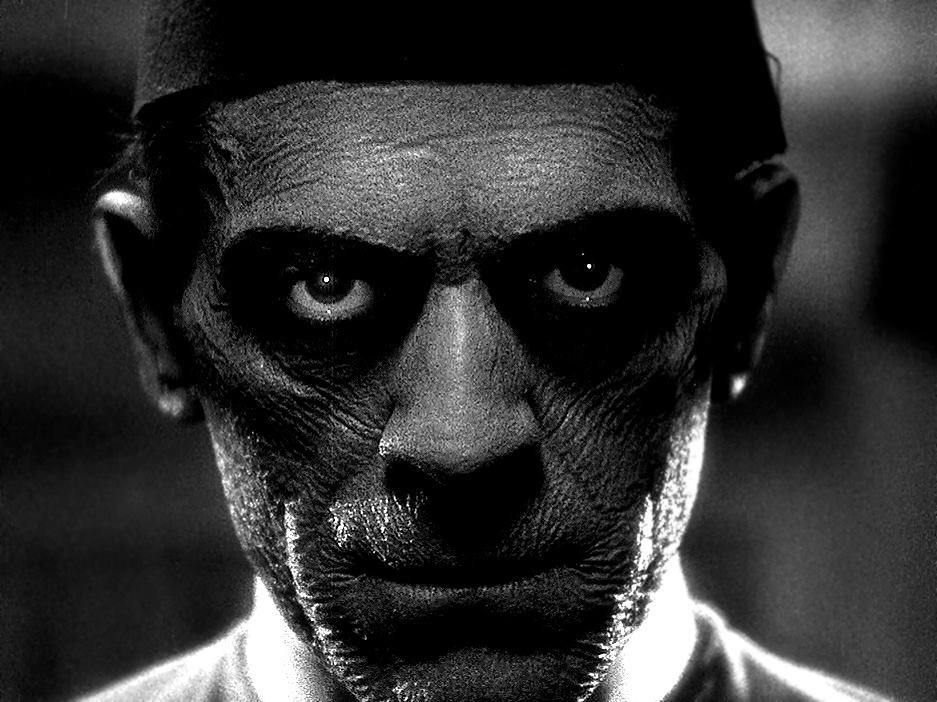
This one is interesting to me as it isn’t a typical mummy movie, the mummy villain more of a sorcerer type. The close-up visuals of Boris Karloff’s face are striking and add to the menace of the character of Ardath Bey.
David Manners turns up again after appearing as John Harker in the iconic horror Dracula (1931). Edward Van Sloan also appeared in Dracula, as Van Helsing, and appeared in Frankenstein (1931) as Henry Frankenstein’s old teacher. Here, Van Sloan once again plays someone with a knowledge of the occult and I found him to be excellent in both Dracula and this. He returned to the role of Van Helsing in Dracula’s Daughter (1936).
The Invisible Man (1933)
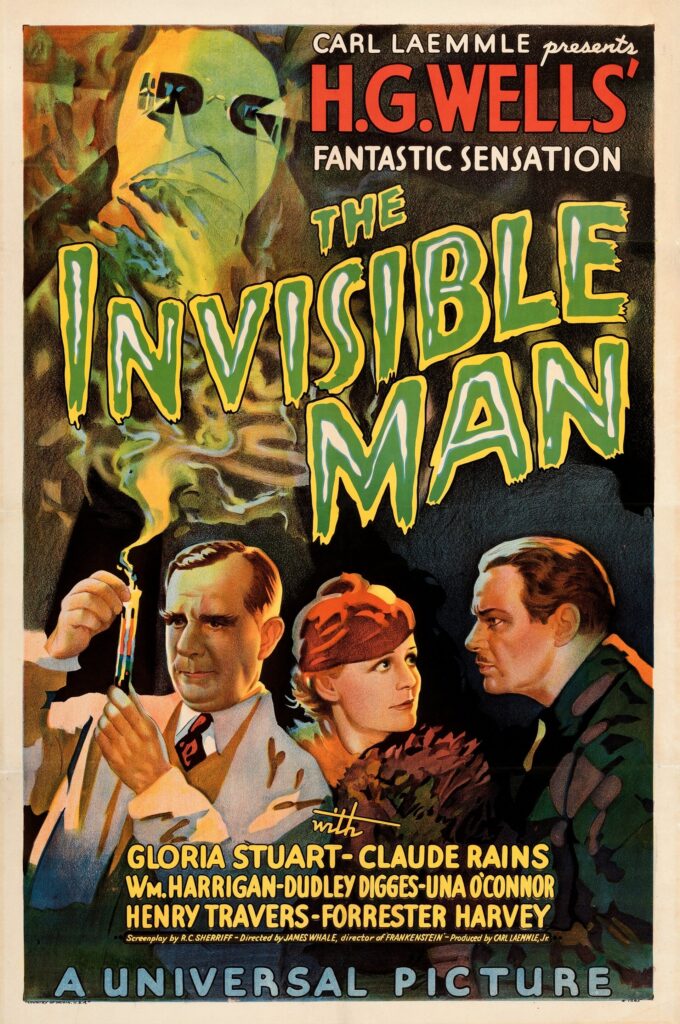
Directed by James Whale
Screenplay by R. C. Sherriff, based on The Invisible Man (1897) by H.G. Wells
Cast includes: Claude Rains, Gloria Stuart and Una O’Connor
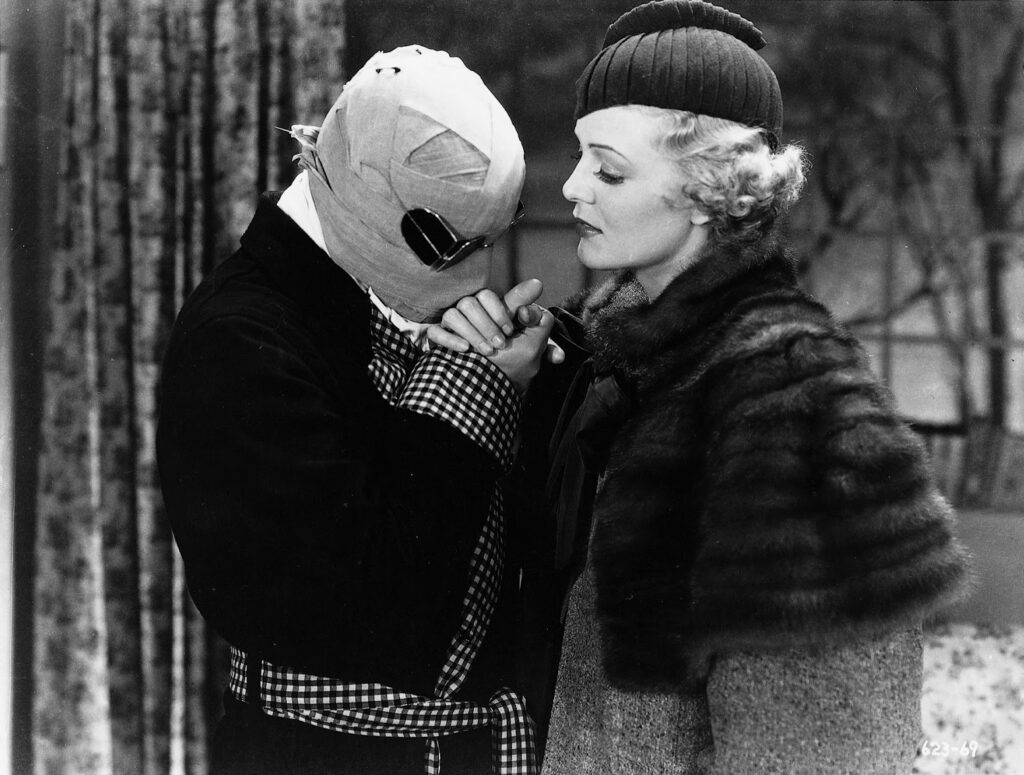
A stranger named Dr. Jack Griffin (Claude Rains), who is covered in bandages and wears dark glasses, appears during a snow storm, seeking lodging in a small village. He demands that he be left completely alone. His landlady (Una O’Connor) and the villagers eventually discover he is invisible.
Griffin goes to the house of his colleague, Dr. Kemp (William Harrigan) to seek help. Driven insane by the invisibility formula, he tells Kemp of his plans to create a reign of terror. His fiancée Flora Cranley (Gloria Stuart), the daughter of his employer Dr. Cranley (Henry Travers), soon learn of his insanity. Griffin attempts to display his superiority over other people by performing harmless pranks at first and eventually turning to murder.
The first thing I thought of when I started watching this film was the lyric from “Science Fiction/Double Feature”, of The Rocky Horror Picture Show (1975) fame, “Claude Rains was The Invisible Man.” (It would be an interesting experiment to watch all the films referenced in that song). H.G. Wells was still around when the film was in development, so he actually had script approval, which is a nice bit of trivia. He approved of screenwriter R. C. Sherriff’s change which meant that the invisibility formula caused Griffin to go insane as well as invisible.
Sheriff noted, “[Wells] agreed with me entirely that an invisible lunatic would make people sit up in the cinema more quickly than a sane man.” (R. C. Sherriff’s play Journey’s End (1930), was adapted by James Whale in his directorial debut).
Whale had originally left the production of The Invisible Man (1933) as he did not want to be labelled as a ‘horror” director. Frequent collaborator Boris Karloff had been attached to the production too, but eventually left over salary issues. (He ended up making The Ghoul (1933) in the UK).
I think Claude Rains does a magnificent job in the lead role and he doesn’t need to show his face to do it. The invisibility effect is a piece of cinematic magic. Also, quite rude when you think about it. Every time Griffin is fully invisible, he is essentially naked.
The Bride of Frankenstein (1935)
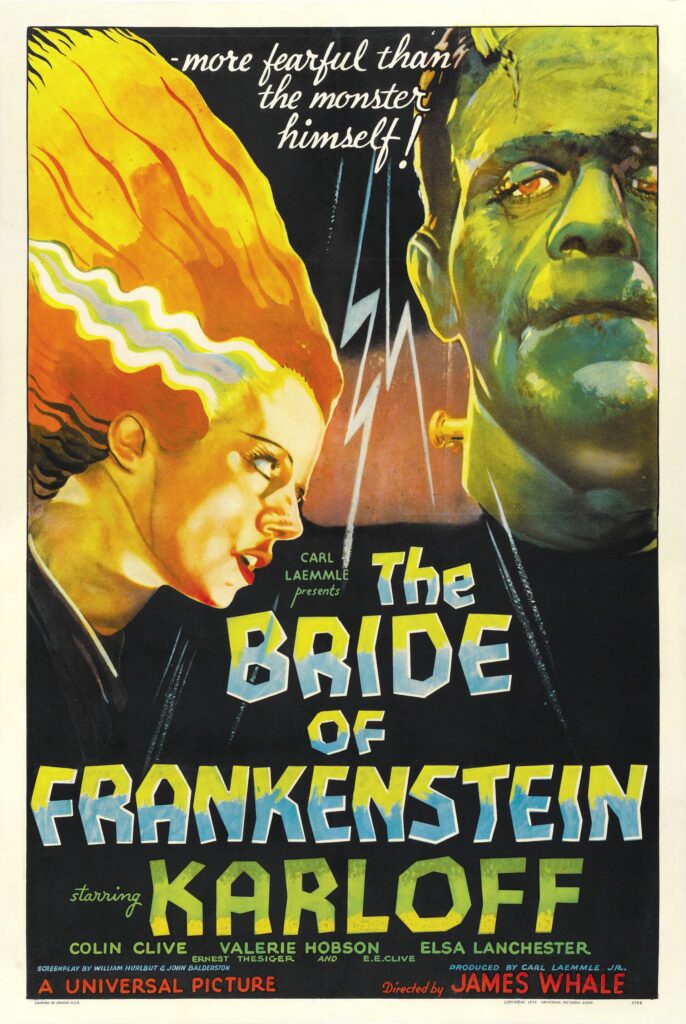
Directed by James Whale
Screenplay by William Hurlbut, based on a subplot in Frankenstein (1818) by Mary Shelley
Cast includes: Boris Karloff, Colin Clive, Ernest Thesiger and Una O’Connor.
Taking place immediately after the events of Frankenstein (1931), Bride sees a chastened Henry Frankenstein (Colin Clive) attempting to abandon his plans to create life. His old mentor Dr. Pretorius (Ernest Thesiger) appears tempt him to return to his work, eventually resorting to blackmail. This, along with threats from the Monster (Boris Karloff), sees him attempt to construct a bride for the Monster.
The film has an opening scene which sees Mary Shelley (Elsa Lanchester) telling Percy Bysshe Shelley (Douglas Walton) and Lord Byron (Gavin Gordon) that she has more story tell. This also serves as a recap of the first movie.
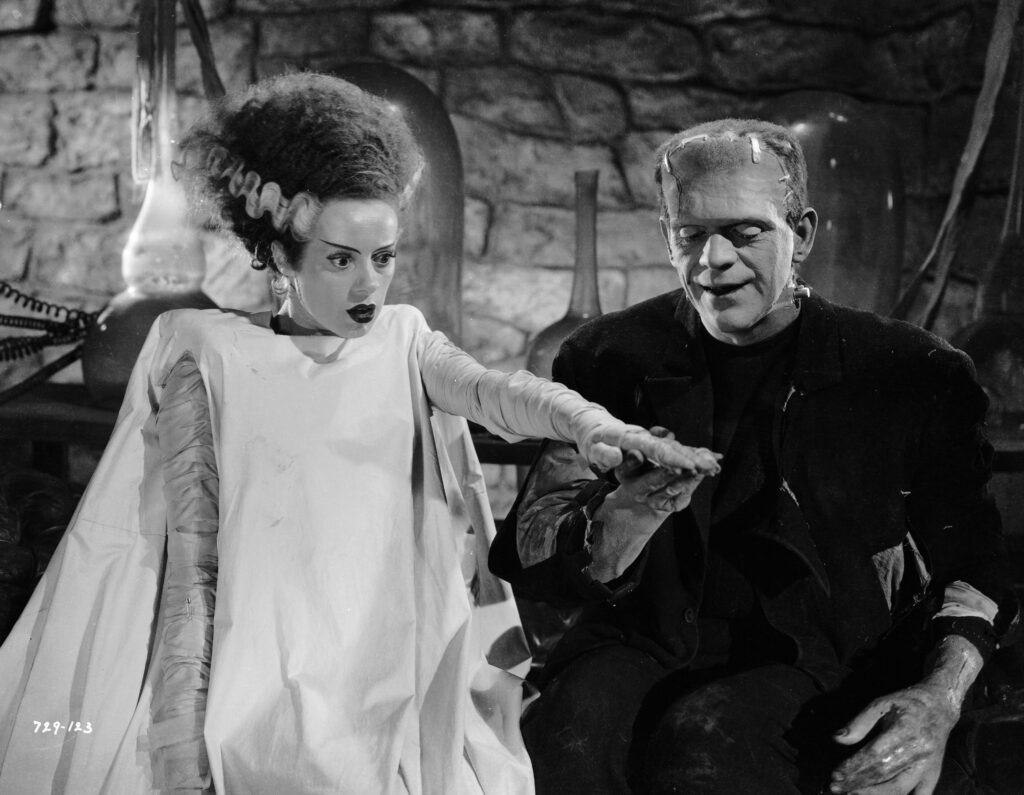
Boris Karloff and Colin Clive, despite his worsening alcoholism, both return. As does Dwight Frye albeit in a different role. Una O’Connor plays another screaming maid after being a screaming barmaid in The Invisible Man (1933).
Again, I call out Ernest Thesiger in another scene stealing and queer coded role. He literally steals Frankenstein from his wife on their wedding night to go make new life. He is also still fond of the gin.
I think the humanisation of the Monster is given more time in the sequel. I particularly point to the scenes where the blind Hermit (O. P. Heggie) befriends him. Another excellent performance.
Karloff strongly objected to the Monster being given dialogue. Whale and the studio psychologist chose the words it uses from the test papers of ten-year-olds working at the studio. There are some masterful effects in the scene where Dr. Pretorius shows Frankenstein some of his mini creations, including a literal Little Mermaid. Funnily enough, Japan objected to this scene as it was “making a fool out of a king.”
The production had some with problems with Karloff breaking a hip and Clive breaking a leg during it. All and in all, this is probably one of the best sequels of all time.
David Ferguson
Head downthetubes for…
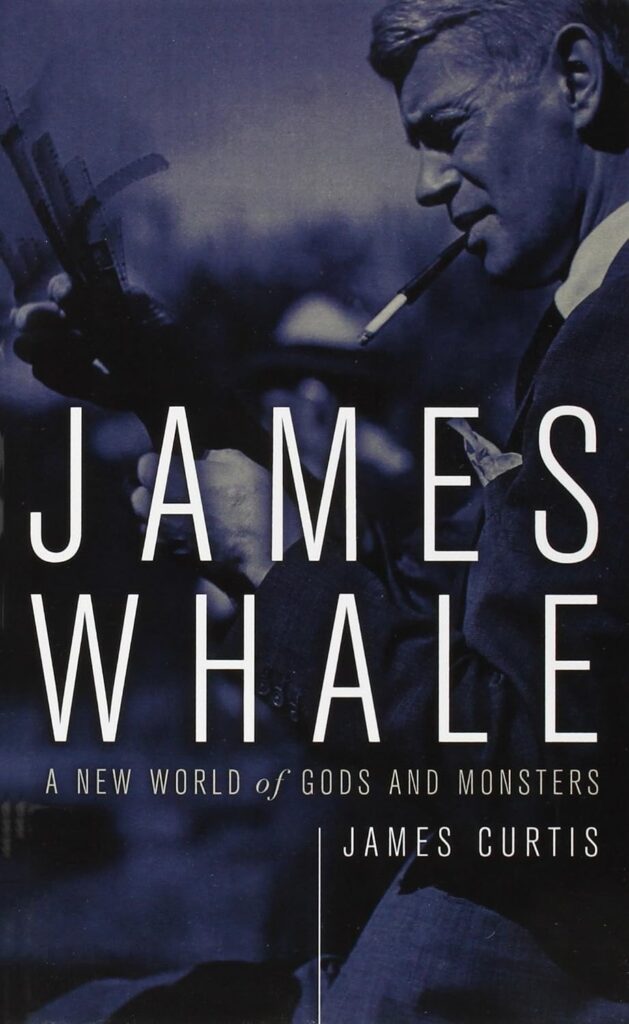
James Whale: A New World Of Gods And Monsters
by James Curtis (AmazonUK Affiliate Link)
The definitive biography of this innovative and influential director.
James Whale directed some of the most stylish movies of the 1930s, but he was most successful in a genre he virtually invented. Most famously in Frankenstein, but also in The Invisible Man and The Bride of Frankenstein, Whale created a new type of horror film – sophisticated, tragic, and morbidly humorous.
Whale made grim war dramas, light comedy, adventure, mystery, and even a movie version of the musical Show Boat. However, his career faltered and, being openly gay, he found work increasingly hard to get. He quit his film work just ten years after the triumph of Frankenstein, and died as a result of suicide.
James Curtis has written the definitive life of James Whale, taking him from poverty in rural England to the squalor of a German prison camp, to the excitement of London’s West End, and ultimately to Hollywood, where he profoundly influenced several generations of filmmakers.
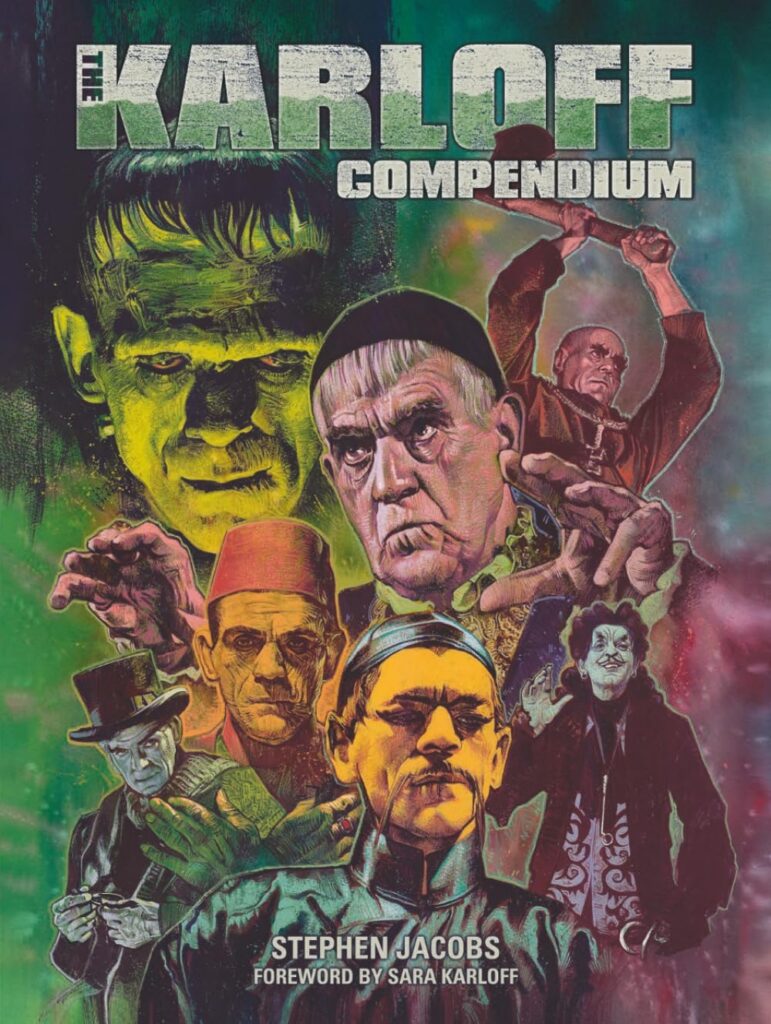
The Karloff Compendium: The Films, TV, Radio, Theatrical Work and More of Boris Karloff by Stephen Jacobs (AmazonUK Affiliate Link)
Independently published in 2023, The Karloff Compendium follows many years of research and featuring hundreds of amazing images – many rare and previously unpublished. It’s described as the most comprehensive book about Boris Karloff’s numerous film roles, including several recently discovered movies, plus selected highlights from TV, radio, theatrical work and more.
The Karloff Compendium is the latest book by Stephen Jacobs, the writer of the Rondo Award winning biography Boris Karloff: More Than a Monster – The Authorised Biography, and presents a fascinating pictorial journey through the life of “The King of Horror” – Boris Karloff.
Born in South London in 1887 as William Henry Pratt, Karloff emigrated to Canada in 1909 where he began touring Western Canada and the United States in various theatrical repertory groups. Arriving in Hollywood in 1919 Karloff began movie work as an extra, working his way to eventual international fame as the monster in Universal’s Frankenstein (1931). Karloff continued to work in film, on radio, television and stage until he died in 1969, aged 81.
With a foreword by the actor’s only child, his daughter, Sara Jane Karloff, The Karloff Compendium includes many images from the horror star’s own collection alongside stills and posters from his numerous screen appearances and comprehensive text which delves into his life and career to give a comprehensive portrait of one of Hollywood’s most iconic actors.
• The Official Boris Karloff Website
Maintained by the Descendants of the Master of Horror. Sara Karloff all rights to the likeness of her father, Boris Karloff, after winning a lawsuit with Universal Pictures
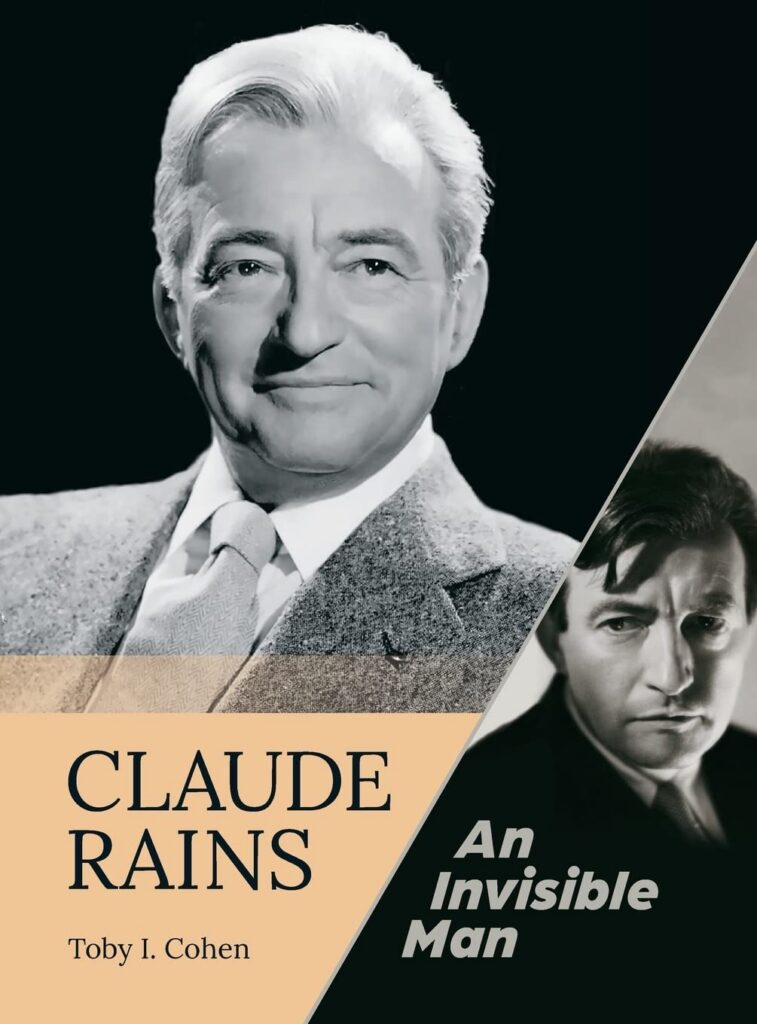
Claude Rains – An Invisible Man by Toby I Cohen (AmazonUK Affiliate Link)
Claude Rains was “the greatest character actor of his age – possibly of all ages,” according to film historian Richard Schickel. Classic credits include The Invisible Man, The Adventures of Robin Hood, Mr. Smith Goes to Washington, Now, Voyager, Casablanca, Notorious and Lawrence of Arabia.
A stage star in his native England, Rains didn’t make his screen debut until age 43. Throughout his career, he hid behind a movie persona that was suave and sophisticated, but, off camera, he was insecure and had trouble expressing feelings. Good-natured, still he had few friends and was married six times. A proud naturalised American, Victorian values led him to repudiate Tinsel Town – he was happiest puttering around the 18th-century Pennsylvania farm that was his heart and soul.
As a teenager, Toby Cohen was thrilled to meet her screen idol backstage after his Broadway triumph. Based on her decades of research and exclusive interviews – with Rains’ fifth wife, his sixth wife’s children and nephews, his farm neighbours, the doctor who treated him in his final illness – Ms. Cohen has produced not just a biography, but an in-depth, compassionate analysis of a complicated man whose true self was “invisible” to all.
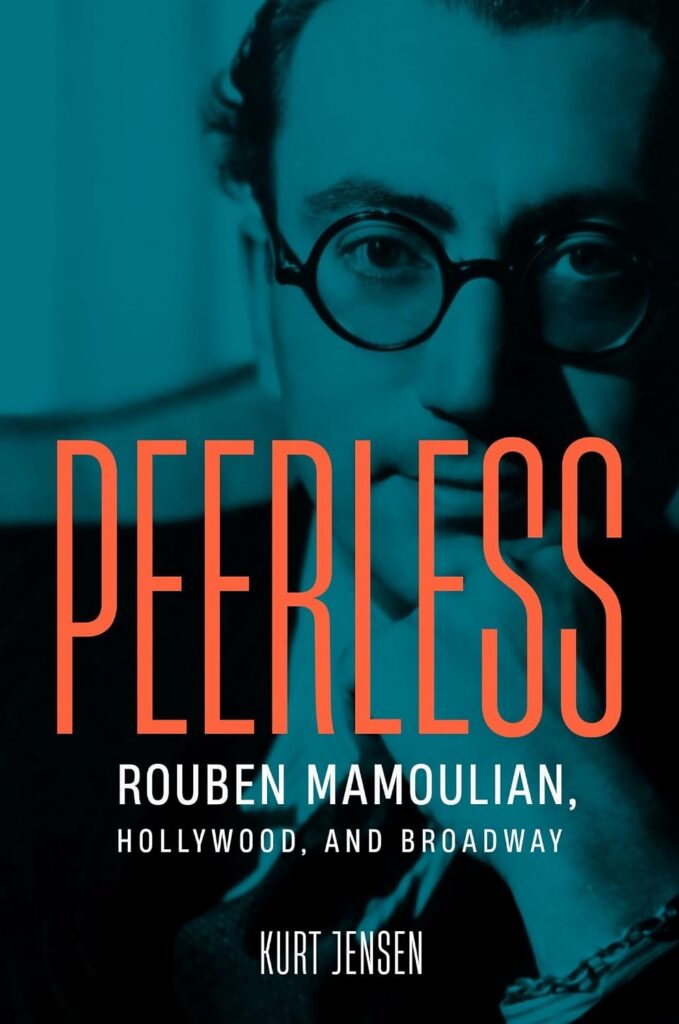
A proud Armenian who claimed a distant link to nobility, born in what was then part of Tsarist Russia, Rouben Mamoulian (1897–1987) became one of the most astonishing and confounding directors of American film and theatre, directing the original stage productions of Porgy and Bess, Carousel, and Oklahoma!, as well as films including Love Me Tonight, Queen Christina, City Streets, and Silk Stockings. He was famously fired from the film version of Porgy and Bess in a dispute over publicity, and quit Cleopatra after arguments over a single scene. His iconoclastic self-confidence was high among the reasons he had a reputation for being unable to compromise.
This frustrating mix of genius and stubbornness, of critical successes and financial flops, has proven challenging for biographers. Any examination of Mamoulian’s life must explore film, theater, and music history, while being conscious of the racial culture in both American society and the world of entertainment during the mid-twentieth century. Kurt Jensen’s magisterial volume, extensively researched and filled with trenchant observations, brings to life this charming, flawed, and fascinating man.
The Films…
• Wikipedia: Dr. Jekyll and Mr. Hyde (1931)
• Available on Prime Video (Affiliate Link)
• A Picture Gallery of Film Stills and Publicity
• Wikipedia: The Old Dark House (1932)
• Available on Prime Video (Affiliate Link)
• Available on Prime Video (Affiliate Link)
• Wikipedia: The Invisible Man (1933)
• Available on Prime Video (Affiliate Link)
• Wikipedia: The Bride of Frankenstein (1935)
• Available on Prime Video (Affiliate Link)
- About the Author
- Latest Posts

David is a writer of stuff on comics and pop culture for GCN.ie. He is also a contributor and editor (Hugo nominated) for Journey Planet
Categories: downthetubes News, Features, Film, Other Worlds
 In Review: Resident Evil
 In Review: The End of Oak Street
 In Review: Spider-Man: Brand New Day
 In Review: The Odyssey
Leave a Reply