Author, editor and agent Phil Harbottle has released three informative new videos on his British Science Fiction Channel on YouTube, charting the life and career of British comic strip, crime, science fiction and western writer Sydney J. Bounds, (1920 – 2006), whose work is now being rediscovered thanks to new publication of some of his works.
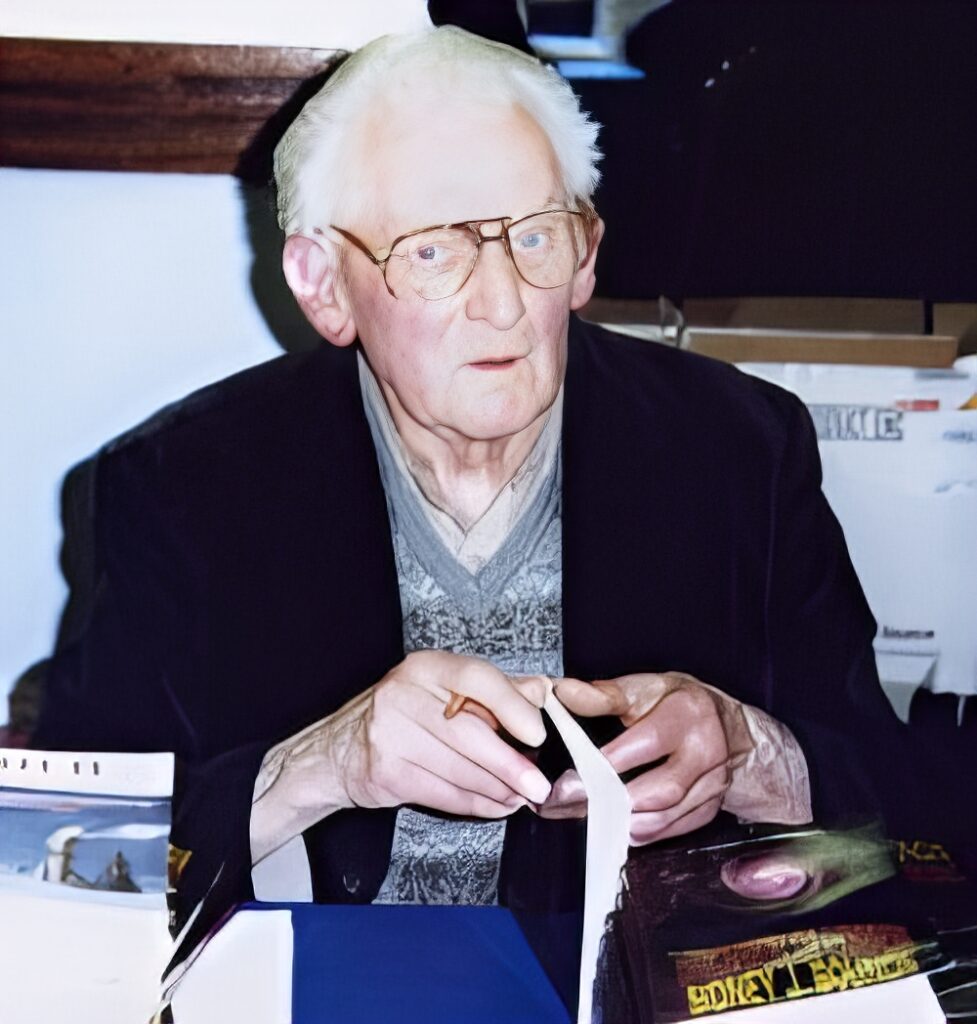
Across three videos, Philip brings us a fascinating deep-dive series detailing the life, late-career resurgence, and enduring legacy of his client and close friend, reflecting on his seamless adaptability across multiple genres.
With Bounds’ blessing before his death, Stephen Jones and the British Fantasy Society renamed their Best Newcomer award as the “Best Newcomer: The Sydney J. Bounds Award”, which has been given annually to honour new authors since 2009. Winners include Joseph D’Lacey, Ann Leckie, Sarah Lotz, Jeannette Ng and Hiron Ennes Leech.
Phantasmagoria will soon be publishing a lost unpublished SJB story and an article by Philip, revised from these three videos.
An impressive, varied writing career
Born on 4th November 1920, Bounds grew up in Brighton, Sussex, and loved reading boys’ story papers like Union Jack and characters such as Sexton Blake. In the mid-1930s, he discovered imported American SF pulp magazines, in Woolworth’s and on market stalls. After reading a Jack Williamson story in a 1936 issue of Astounding magazine, he became “hooked” on SF.
His family later moved to Kingston on Thames, where he studied electrical engineering. He joined the early British Science Fiction Association in 1937, forming friendships with future SF legends like Arthur C. Clarke, William F. Temple, Sam Youd, and John Beynon Harris at their 1938 convention in London.
During World War Two, he served as a Corporal in the RAF, working as an electrician at Bletchley Park, servicing the Bombe, the electromechanical device used to help crack German Enigma signals. During the war, he discovered fellow service members who were SF fans, including John K. Aitken and John Newman, and joined their “Cosmos Club”.
When he found out “that some of my brighter colleagues were beginning to actually sell their stories, I thought: if they can sell their stories, then I can sell mine!”
He sold his first story during the war, a 2500-word short about a poltergeist, to Gerald G. Swan. Philip notes it was never published, but that didn’t matter – he’d been paid two pounds ten shillings on acceptance and had the incentive to continue writing.
The supernatural tale “Strange Portrait” was Bounds’ first published short story, appearing in the very first (and only) issue of Outlands magazine, Leslie J. Johnson’s “Magazine for Adventurous Minds”, in 1946.
Bounds got his big break when publisher Benson Herbert, whose stories had appeared in Wonder Stories and Tales of Wonder, who he’d met when he was a guest speaker at the Teddington SF Club. hired him to supply 30,000 words a month at Utopian Publications, when his main writer, Norman Firth, fell ill with TB. Realising this income beat his factory wage of about £6 a week, a job he hated, Bounds quit his day job to write full-time.
Introduced to publisher Harry Azael at John Spencer & Co., he was commissioned to tackle hardboiled gangster novels in the vein of the notorious Hank Janson series from a rival publisher. Bounds had no interest in copying Janson’s distasteful methods, but he had an admiration and knowledge of the work of Raymond Chandler and Dashiell Hammett, and one of the serials he’d turned in for Utopian had featured a private eye. “This gave me a head start,” Bounds recalled.
He wrote four pseudonymous tough gangster and detective novels in 1950, beginning with A Coffin for Clara as by Brett Diamond. A detective mystery, Two Times Murder by Lanny Rogers was later reissued as Mistaken Identity by V.L. Scott, both of which the author was unaware of, as the publisher never sent him copies! But he did spot the others on the newsstand and bought his own copies: Identity Unknown by Rex Marlowe and Terror Rides the West Wind by Rick Madison. Although written quickly, they all had a dynamic readability.
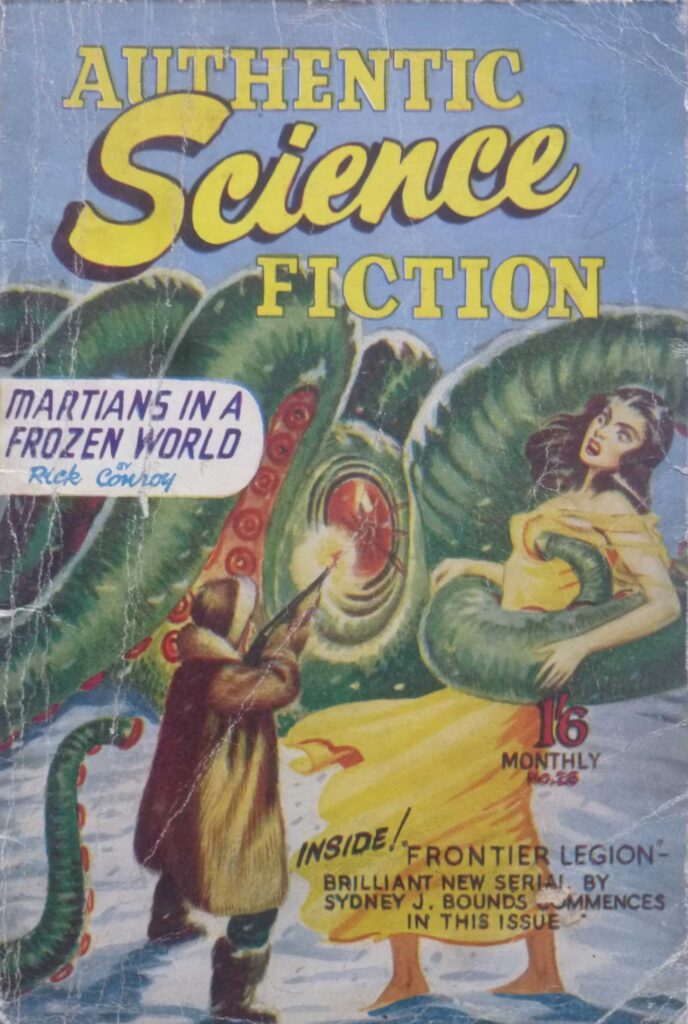
John Spencer also commissioned Bounds to rush out some short space opera stories for their new pocketbook magazines Futuristic Science Stories, Tales of Tomorrow and Worlds of Fantasy. The rate offered was only 15/- a thousand words, and the stories had to be delivered in just a few days. “I wrote the stories straight onto the typewriter, and they went out under pseudonyms with minimal revision.”
These undistinguished stories would be the last SF hackwork Bounds did. Immediately afterwards, he was invited to write for the re-launched New Worlds, edited by John Carnell, and he also wrote for the other leading better-quality SF magazines that emerged in a now bourgeoning market – Authentic and Nebula.
Bounds quickly developed his own unique style, exemplifying his firm belief that good characterisation and human problems, rather than gadgets and gizmos, made for better SF stories. But despite his quick success in these SF magazines, Bounds was destined not to become a prolific contributor. Instead, he was launched in a new direction, after Carnell rejected a story for being “too juvenile”.
Repurposing it for the Irish magazine, Junior Digest, this launched a highly successful parallel career as a children’s writer, where he wrote scores of text stories for annuals, anthologies, and comics.
His short stories for the Junior Digest, published in Ireland by Parkside Press Ltd., run by Basil Clancy in the late 1940s also included serials starring “Captain Starr”.
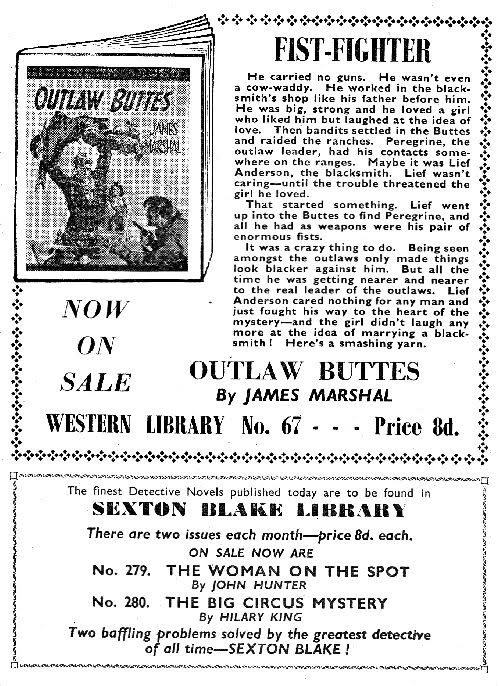
He also became a prolific writer of Western paperback novels, as “Wes Sanders” for Fiction House, and “James Marshall” for the Amalgamated Press’ Western Library. He then made a short, early foray into writing science fiction novels.
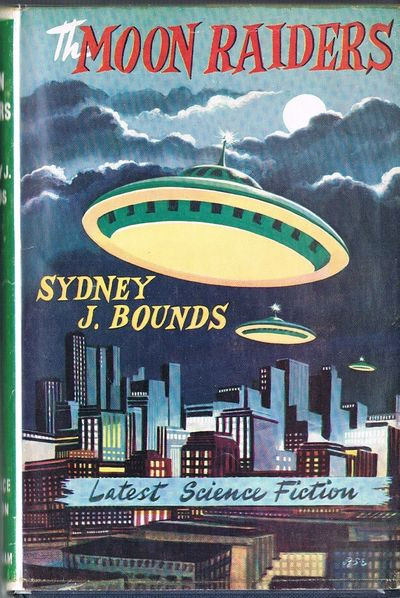
In the mid-1950s, he wrote SF and detective novels for Foulsham, an old pre-war firm owned by two brothers, publishing detective thrillers and westerns, both genres in which Bounds was interested. His SF work included The Moon Raiders (1955) and The World Wreckers (1956).
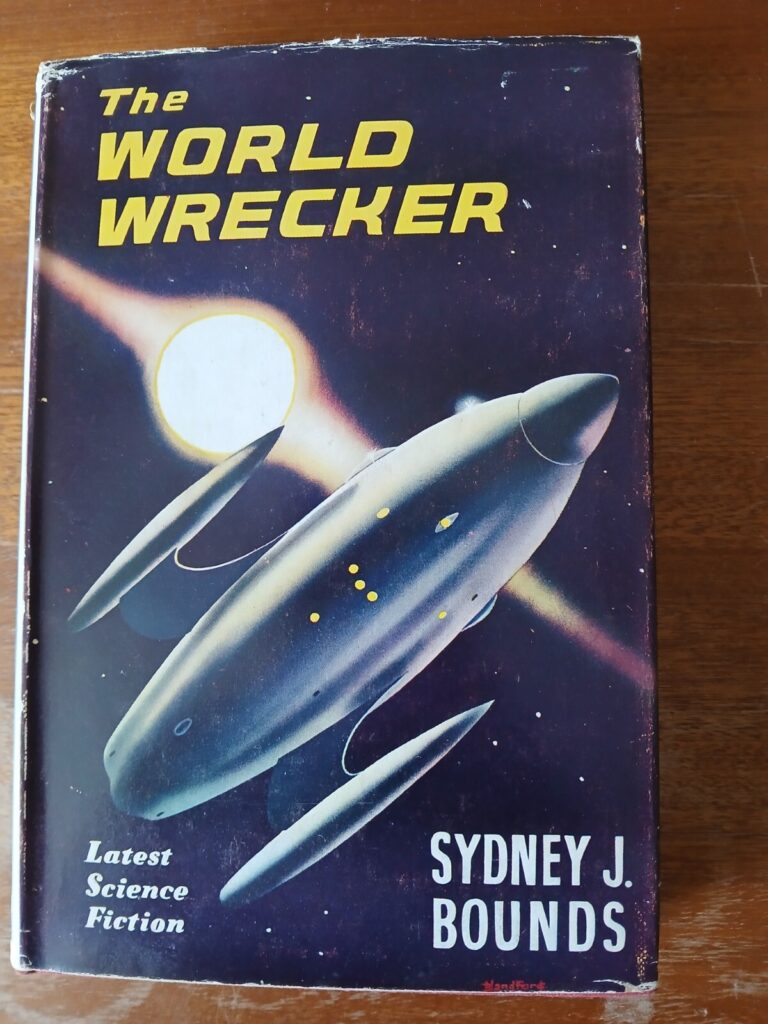
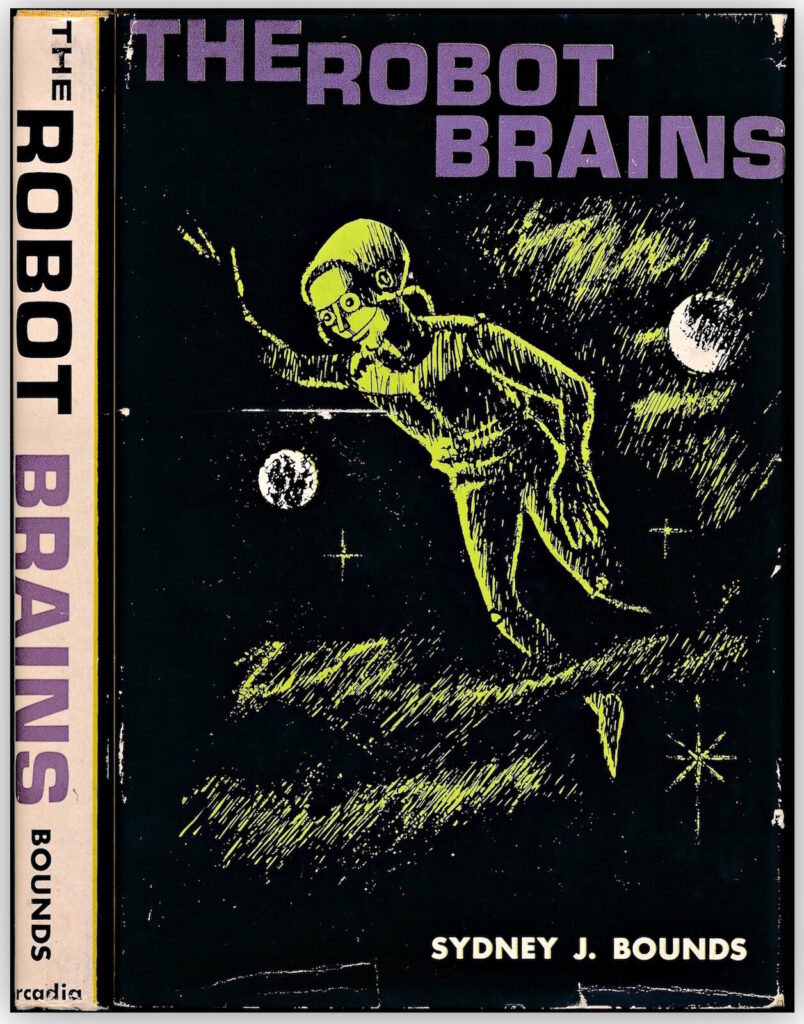
But when Bounds made his next submission, an action-packed romp that duly pushed its myriad tropes to their limit, it was rejected. As Philip revealed in his earlier videos, by 1956, the SF bubble in British hardcover publishing was well and truly busted. Bounds’ only market was the downmarket paperback publisher Digit Books, who bought all rights, take it or leave it. Bounds took it and then watched in dismay as the Digit edition, confusingly retitled by the publisher as The Robot Brains, went into several printings with new covers, and was also reprinted in the US and in translation around the world. Despite, or perhaps because of, its high camp style, it became a best seller!
Bounds was dismayed – but there would be some mitigation. The success of The Robot Brains persuaded Digit to then reprint his two earlier Foulsham hardcovers, on which Bounds had a share of the royalties.
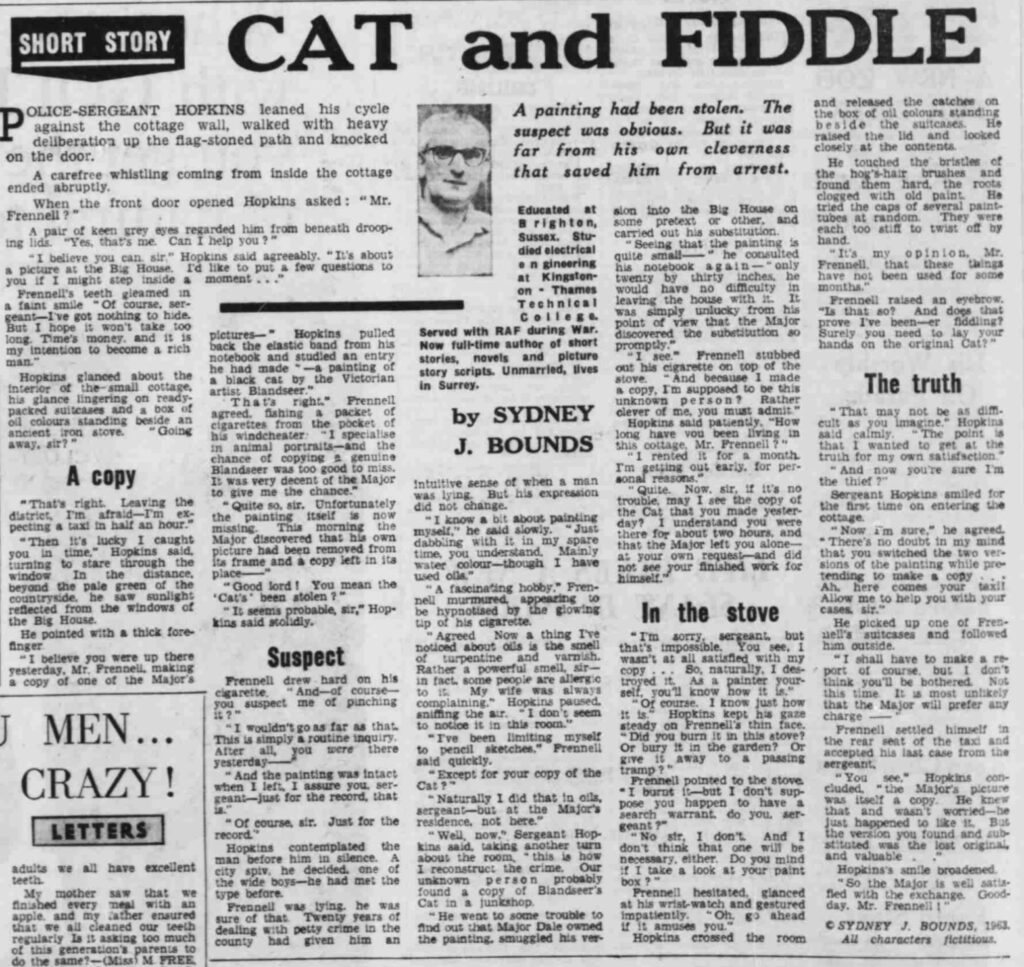
Bounds continued to write scores of children’s stories, in comics and countless annuals. Many of them would appear in top markets, such as Eagle (providing, for example, the story “The Wreck of the White Queen” for Volume 1, No. 18), and in national newspaper Boys’ and Girls’ annuals published by the Daily Mirror and Daily Sketch.
One of the most collectable children’s annuals he worked on is The Searchlight Book for Boys, published in 1956, which features three of his stories: an exciting SF story, written under a pseudonym, the second a western, and the third another science fiction story.
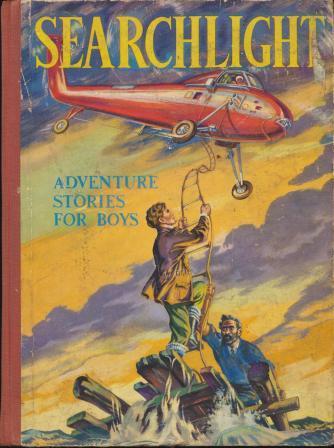
This book is of great collector interest and much sought after, because it not only features three stories by Bounds, but two stories by a very young Michael Moorcock, and others by Bill Temple, Ken Bulmer and John Burke.
In 1958 he wrote a whole series of “Cliff North, Interplanetary Reporter” stories for Tarzan Adventures, edited by Moorcock.
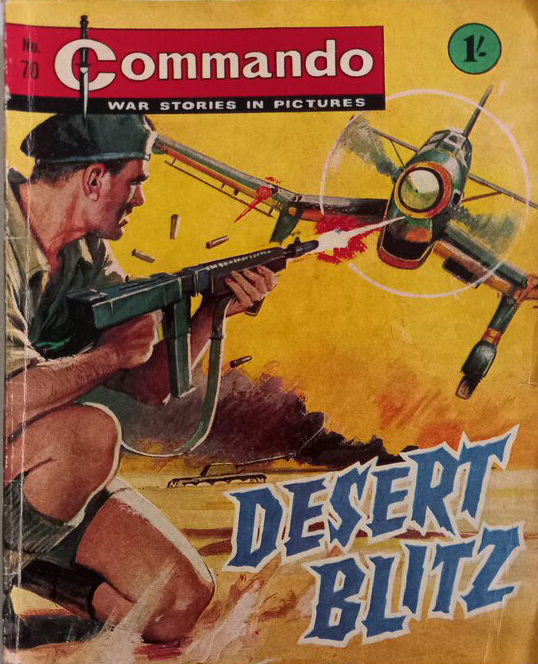
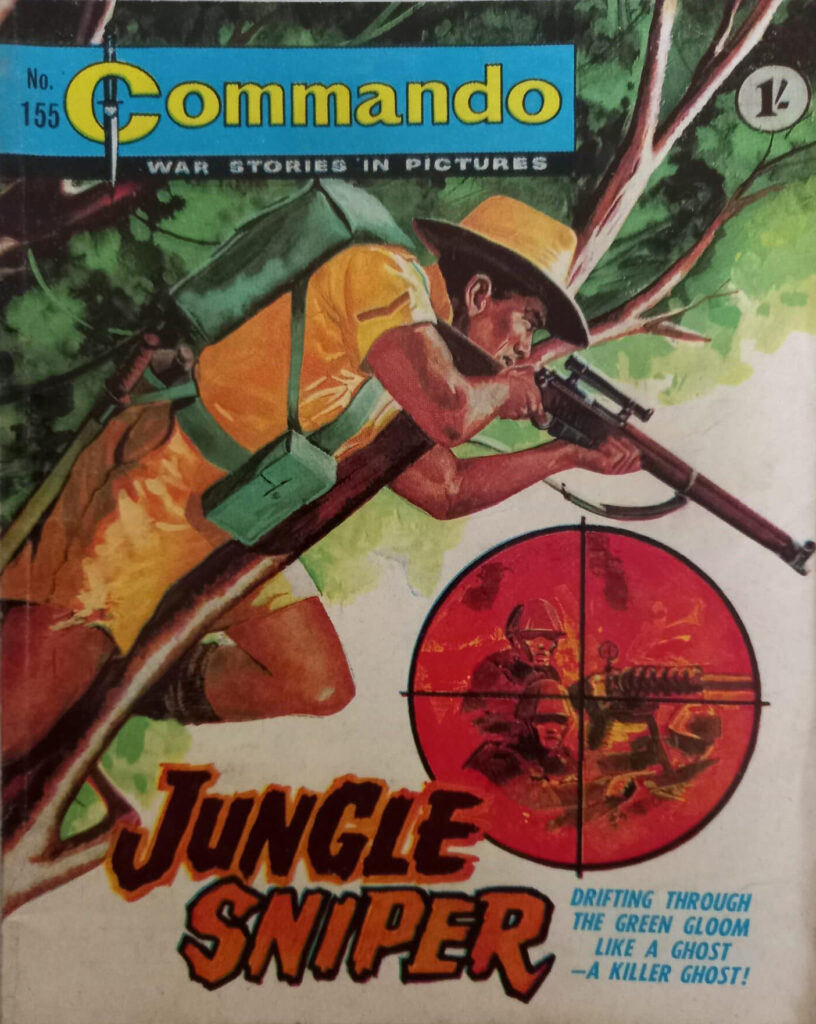
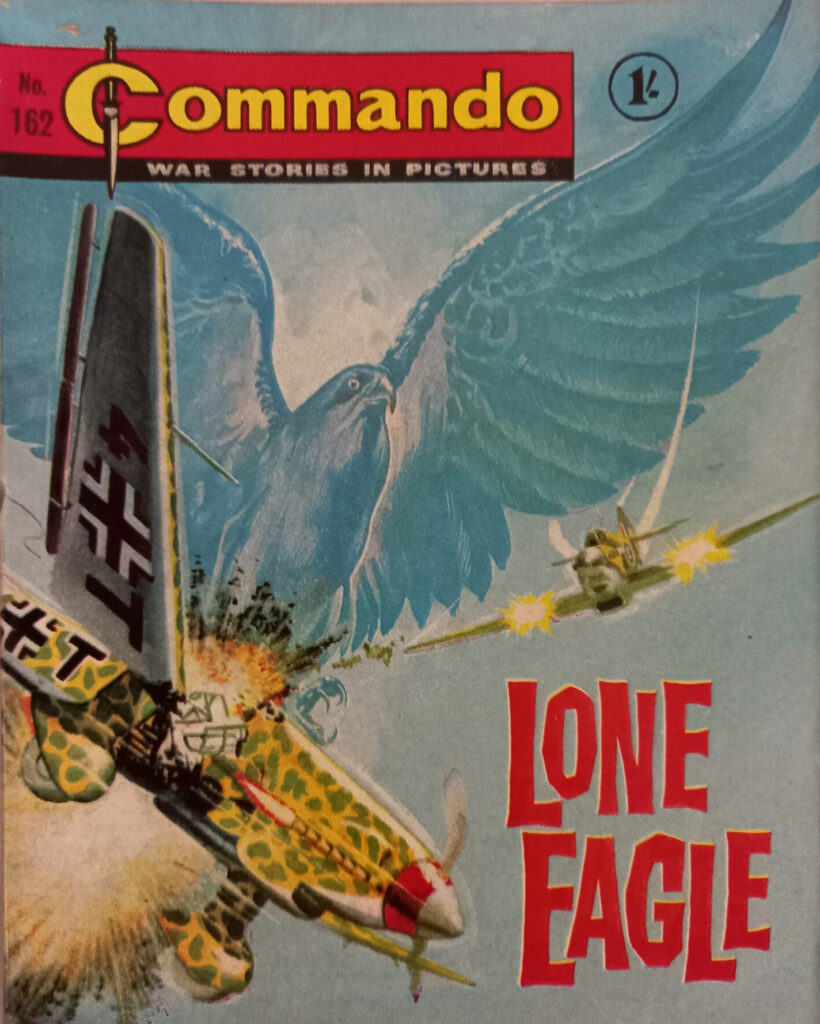
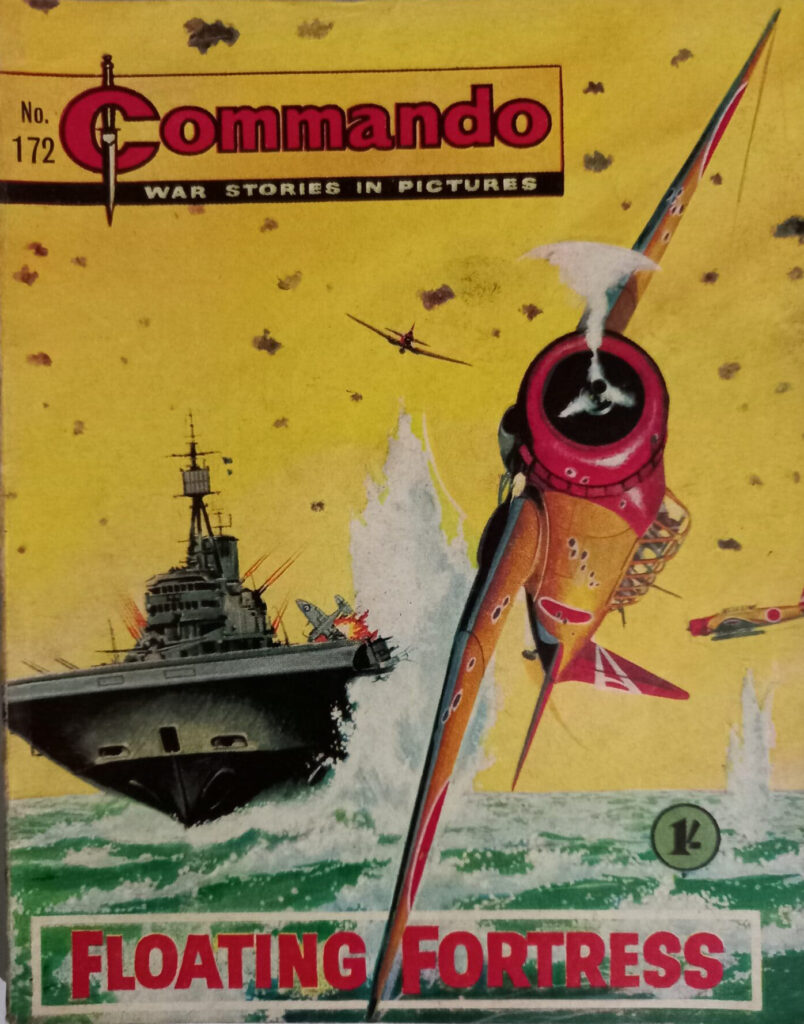
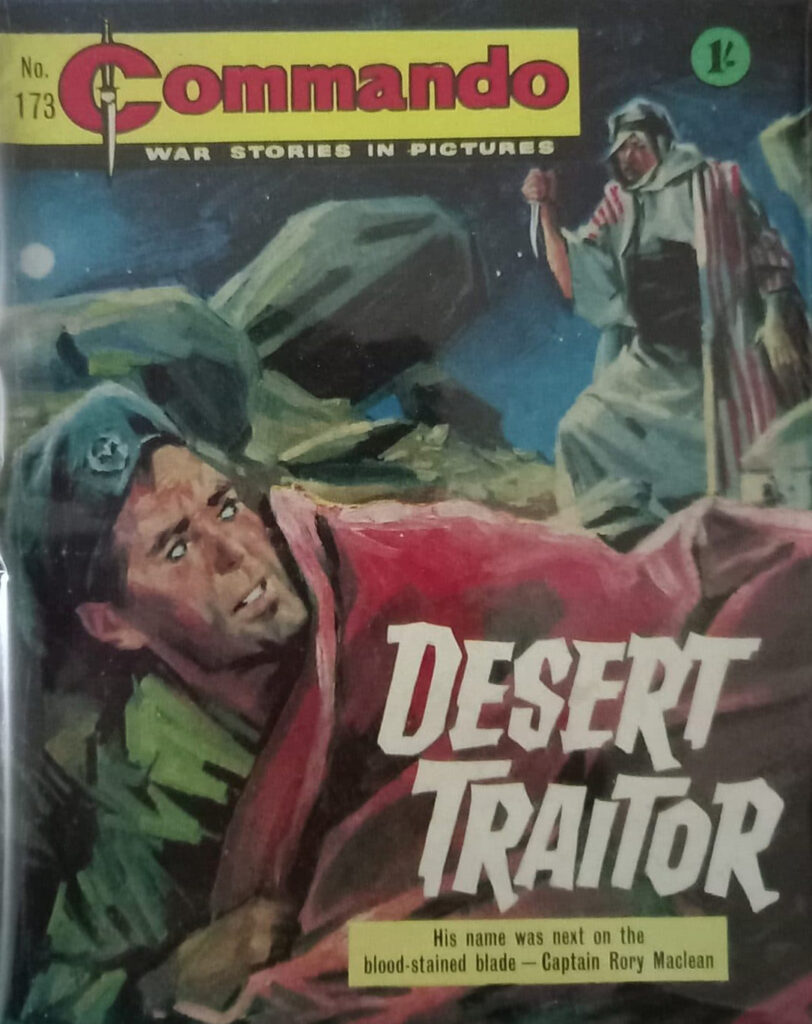
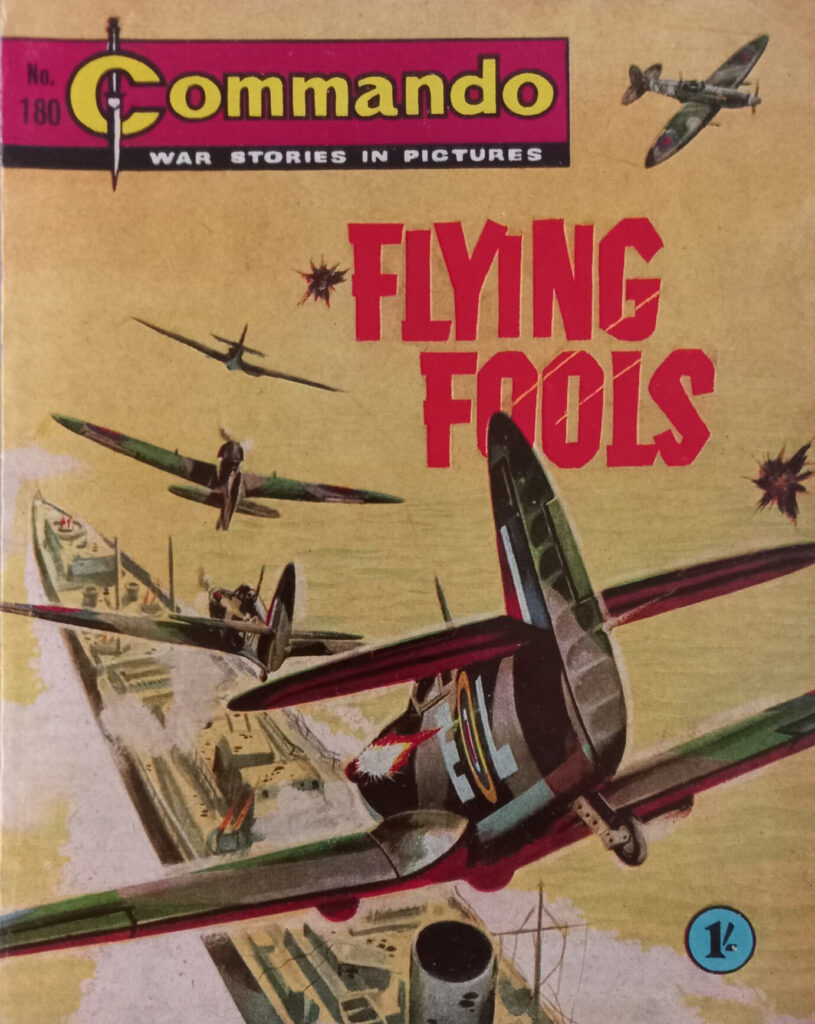
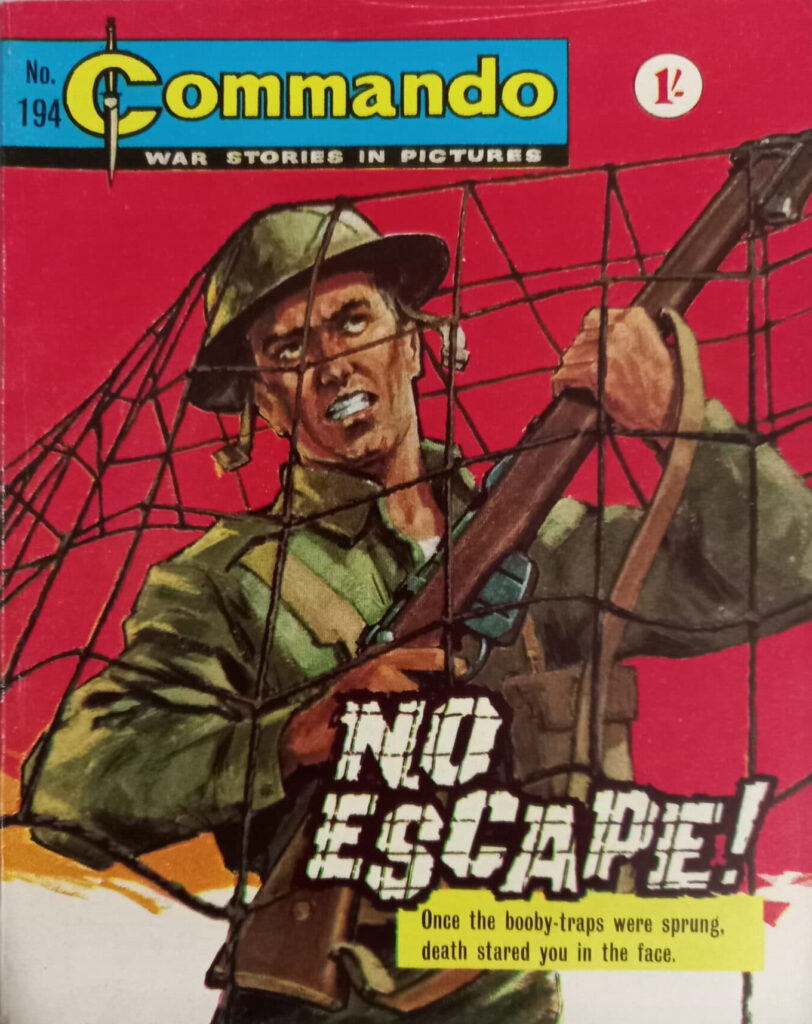
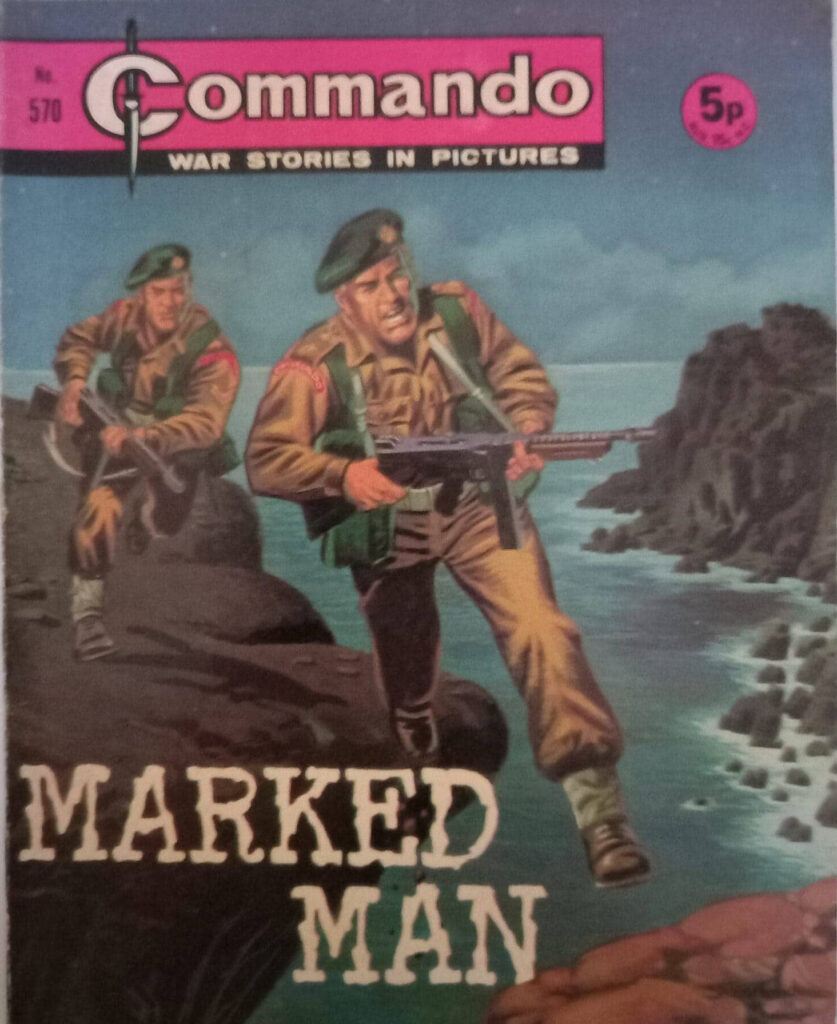
When, a few years later, Moorcock moved up to work on Sexton Blake for the Amalgamated Press, Bounds contributed three outstanding novels to the long-running series. He was in good company, with many contemporary SF writers who also wrote for the Blake series, including John Burke and E. C. Tubb. Like Tubb, Bounds went on to write many scripts for the pocket war comic libraries published by Fleetway and DC Thomson.
Philip first crossed paths with Bounds in 1969, contacting him to write for Vision of Tomorrow magazine.
“He quickly became my most reliable contributor,” Philip notes. “When circumstances dictated the closure of Vision of Tomorrow in 1970, I had several unpublished Bounds stories in my inventory. Feeling guilty about it, I asked Syd if I could try and place them for him (working as a part-time agent – I had been obliged to return to my old career as a full-time Local Government administrator). Syd, who had never used an agent, agreed. Our relationship slowly developed over the next few years. Syd continued to sell stories himself, but would occasionally send me mss that had suffered one rejection.”
In the late 1970s, there was a renewed global interest in SF, partially sparked by Star Wars, editors and publishers began a desperate search to trace the copyright owner of the well-remembered ‘Vargo Statten’ novels, many of which had appeared in Italy during the late 1950s, and they were eventually successful in contacting Philip. This allowed him successfully sell two new Bounds’ novels, The Predators and Star Trail, into the Italian translation market, and some of his older works, too.
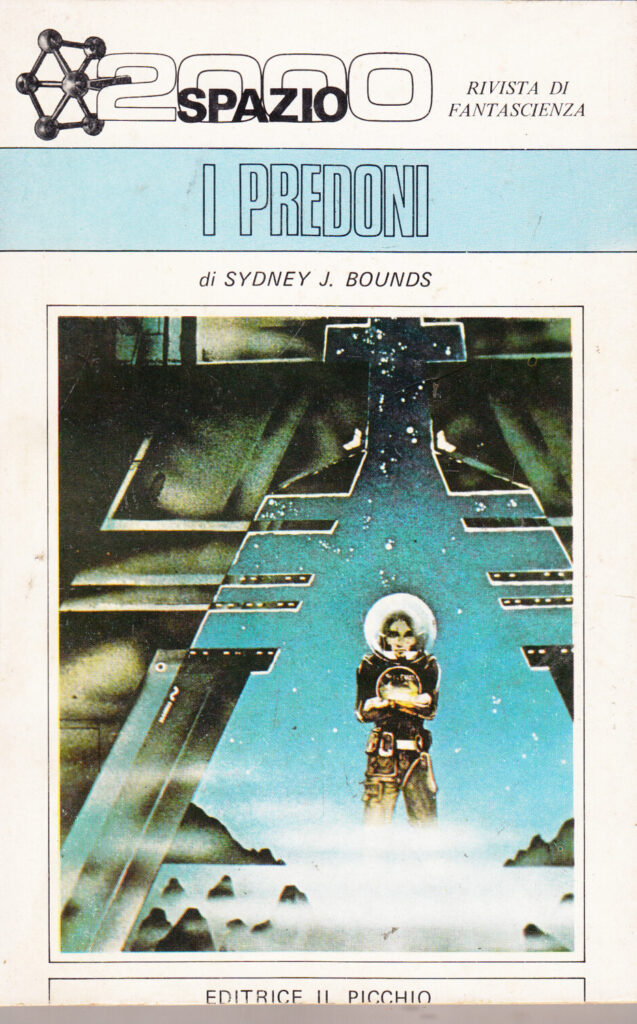
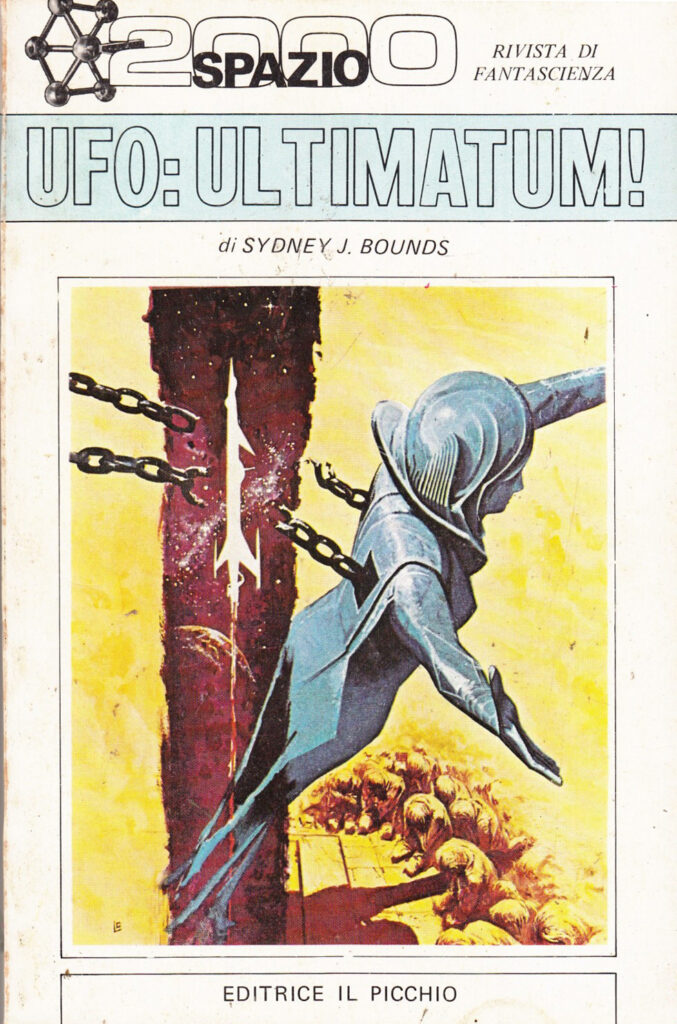
The professional relationship between Harbottle and Bounds reached a massive milestone in 1986 when Harbottle sold Bounds’ horror short story “The Circus” for £1000 to American television, where it was adapted by George Romero for Tales from the Darkside.
“Romero wrote personally to Bounds and paid tribute to the quality of the story,” Philip recalls. “The delighted Syd wrote me that he’d received ‘more money for that one story than I have ever received for any other – books included!’ And when the series went into syndication, he received several hundred pounds in residuals.
Garth, Collaborative Projects, and Ghostwriting
In 1992, Philip, alarmed by what he perceived to be a rapid decline in the story quality of his long-time favourite SF adventure strip, the Daily Mirror‘s “Garth”, was commissioned to come up with some new stories by the series editor and co-creator, John Allard. After writing “Twin Souls”, he sold four other serials over the next two years, Over the next two years, he sold the Daily Mirror another four strip serials: “Warlord” and “Champions”, initially conceived and drafted by Syd, then revised and submitted by Philip; and two of his own,“Twilight World” and “Devil Woman”.
“We split the (considerable) monies on the collaborative stories between us 50/50, with Syd content to remain anonymous,” says Philip, whose own personal circumstances meant continuing to work full time for his local council. “It was a wonderful gesture by Syd that helped me out of debt and enabled my daughter to stay on at university and gain her M.A.”
In 2000, Harbottle began editing Fantasy Adventures for the US publisher, Wildside Press, and Bounds became a most reliable short-story contributor, his work also encompassing numerous horror stories. Acclaimed horror anthology editor Stephen Jones also frequently featured Bounds’ new and reprinted short stories in major trans-Atlantic anthologies, bringing him late-career recognition.
Harbottle also successfully resold all of Bounds’ early 1950s westerns to Robert Hale and placed numerous crime titles with UK publisher Ulverscroft. To keep the publisher happy, Bounds also wrote a highly successful series of brand-new westerns featuring his popular character, Savage.
After a long and distinguished career as a writer Bounds announced his intention to retire in early 2006, aged 85, but unbeknownst to friends and publishers he was also facing terminal cancer. Despite his failing health he did write one last novel, Savage Rides West, the final paragraphs penned by Philip because the publisher, unaware of Bounds’ condition, asked for a less abrupt ending.
Bounds died on 24th November 2006, but not before one last chat with his agent and friend, clear and firm, his mind was as sharply focused as ever to the last.
A Lasting Legacy
Sydney Bounds work is still appreciated and some still available to this day. As mentioned, The Sydney J. Bounds Award, inaugurated with his final blessing, continues to highlight fiction newcomers, organised by the British Fantasy Society. In 2008, Qwerty Films adapted Bounds’ 1975 short story “The Animators” into the sci-fi film Last Days on Mars, starring Liev Schreiber, currently available on Netflix. The story itself is included in The Best of Sydney J. Bounds, Volume 1: Strange Portrait and other Stories.
Recent and upcoming publications of his work include The Miniatures, a lost, unpublished Bounds SF manuscript discovered by Harbottle and published in the July 2026 issue (#49) of Pulp Adventures by Bold Venture Press. The upcoming 50th issue will feature Bounds’ vintage gangster novel Dragnet as its cover story.
Wildside Press also recently published a posthumous first edition of Private Mage, in both paperback and E-book. The book is a collection of 13 short stories following a Victorian-era “Private Eye/Mage” named Al Weaver in a parallel world run by magic.
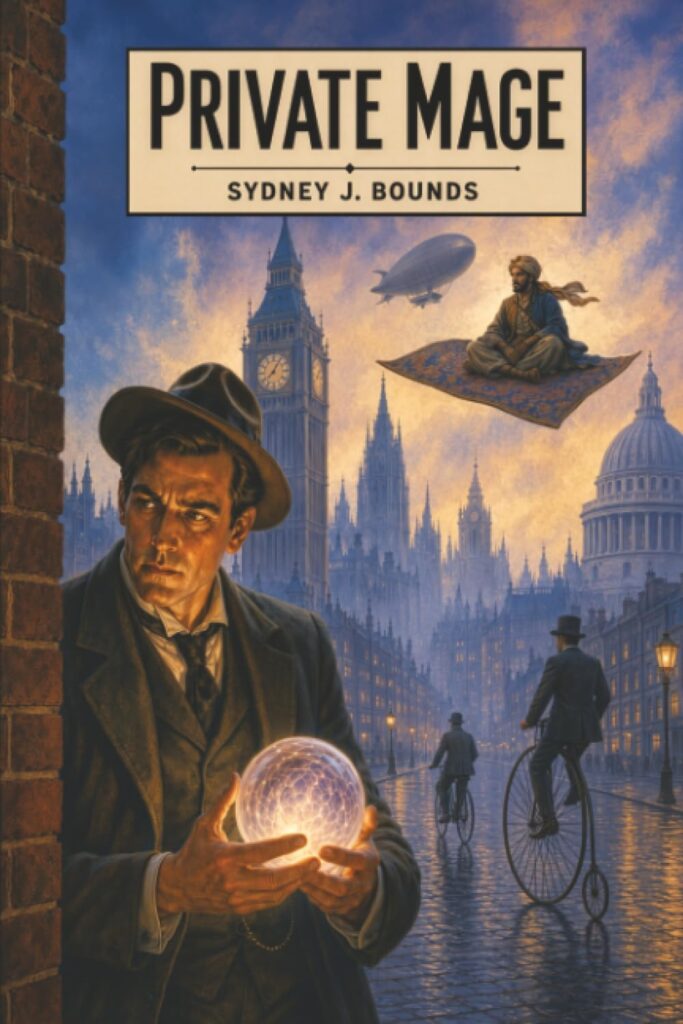
More recently, Philip was able to place some of the stories in Wildside’s Black Cat Weekly EBook magazine, and their success has prompted editor John Betancourt to now publish the complete collection of 13 stories in both paperback and EBook. “It is not to be missed, as the latest example of the consummate professionalism of Sydney J. Bounds,” says Philip.
Across these three welcome mini documentaries, Bounds comes across as the ultimate “consummate professional”. Philip remembers him as a creative soul entirely without ego or bombast, choosing to live a deeply modest, television-free life in his childhood rented home simply because he loved the act of creation and being his own boss. He heavily self-edited his work to maintain a lean, economic style, completely free of “adjective padding,” giving his prose a uniquely highly-praised “read-on” quality.
It’s wonderful to see his work still getting deserved attention and new publication. Philip deserves much credit for this continuing work.
Sydney James Bounds (4th November 1920 – 24th November 2006)
Head downthetubes for…
• The Zone: Strange, And Stranger Portraits: Sydney J. Bounds
interviewed by Andrew Darlington (Wayback Link)
• Bear Alley: In Memoriam – Sydney J. Bounds
• Black Horse Extra
Curated by Keith Chapman of the Sexton Blake Society: offers information on Sexton Blake Library writers John Hunter, Rex Hardinge, John Creasey, Jack Trevor Story, Vic Hanson and Sydney J. Bounds
• Fantastic Fiction: Sydney J. Bounds
• Fancyclopedia: Sydney J. Bounds Award For Best Newcomer – Winners
• Wikipedia: Sydney James Bounds
• In Review: Dimension of Horror – review by Morgan Wallace
Dimension of Horror was published in 1953 by Hamilton & Co., being No. 70 in the Panther Books series
• ERBZine: Tarzan Adventures Cover Gallery
• Andrew Darlington covered Bounds’ little known science fiction character Cliff North, an interplanetary reporter, whose text story adventures were published in Tarzan Adventures, in Jeff’s Hawke’s Cosmos Volume 8 Number 1, published in 2013
Recent Collections
• The Best of Sydney J. Bounds, Volume 1: Strange Portrait and other Stories (Wildside Press)
By turns chilling, eerie, strange and exciting, here are nine hand-picked early stories by one of the craftsmen of British science fiction, including a complete short novel never before published.
• The Best of Sydney J. Bounds, Volume 2: The Wayward Ship and other Stories
Seventeen more hand-picked early stories by one of the craftsmen of British science fiction, including a previously unpublished complete short novel.
Picture a London that took a different turn – a city where magic flourishes instead of physical sciences. Carpets drift above streets clogged with horse-drawn wagons and cycles, crystal balls instead of telephones carry messages, and a licensed practitioner can be hired to deal with any troubles ordinary folk cannot handle.
One particular practitioner keeps a dingy office on the wrong side of town, feet planted on his desk, and his crystal ball gathering dust until the next client climbs the stairs. His cases arrive in strange shapes: a fortune that reeks of murder, a vanished colleague, a rogue sorcerer loose in the fog, a haunting that refuses to behave. Cracking them takes more than a spell – it takes the nerve and patience of a born detective!
Collected for the first time, here are all thirteen Private Mage tales, fusing hardboiled crime with gaslamp wonder, as a mage-for-hire walks the dark streets of a city where every case bends the rules of both magic and the law.
Philip Harbottle: Author and Archivist Extraordinaire
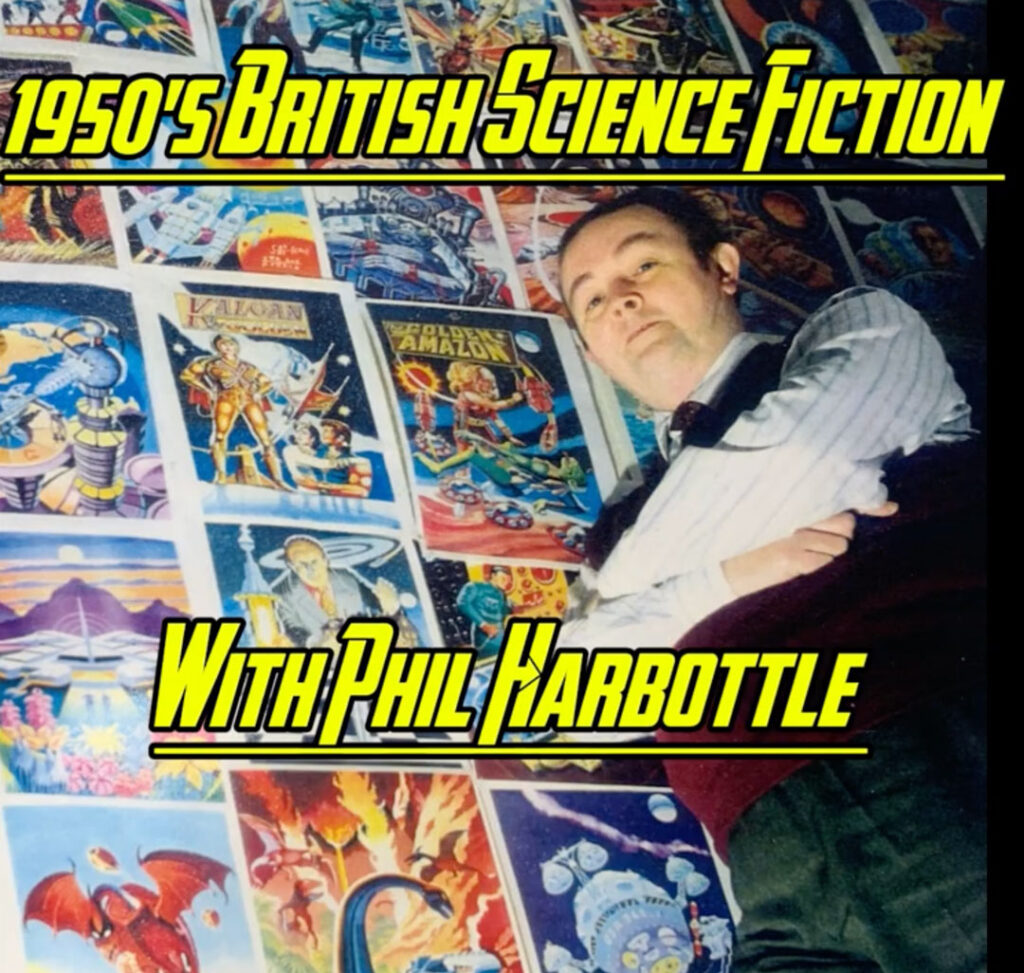
Philip Harbottle is a life-long science fiction fan, regarded as a world authority on the works of John Russell Fearn, whose credits encompass writing “Garth” for the Daily Mirror, and the “Golden Amazon” for Spaceship Away (adapting Fearn’s stories).
He’s also very kindly contributed a number of synopses of early “Garth” stories to downthetubes, which we are adding as time permits.
Back in the 1950s, he adapted some of the Radio Luxembourg Dan Dare radio shows into comics at a young age – the only record of some of these tales known to exist, since very few recordings survive.
• Subscribe to 1950s British Science Fiction YouTube Channel here
Run by Philip Harbottle, Cosmos Literary Agency has represented some of the finest practitioners of genre fiction: science fiction, mystery, westerns, horror and romance. The aency offers the global licenses, including film, television, radio and other media, to the short stories and novels by some of the UK’s most prolific authors of science fiction, detective mysteries and westerns. Authors include Sydney J. Bounds, John Burke, Ernest Dudley, John Russell Fearn, Norman Firth, John Glasby, James Ronald, E.C. Tubb and Gerald Verner.
• Vultures of the Void: The Legacy by Philip Harbottle (AmazonUK Affiliate Link)
Philip Harbottle presents a fascinating guide to British science fiction publishing history
- About the Author
- Latest Posts

John is the founder of downthetubes, launched in 1998. He is a comics and magazine editor, writer, and Press Officer for the Lakes International Comic Art Festival. He also runs Crucible Comic Press.
Working in British comics publishing since the 1980s, his credits include editor of titles such as Doctor Who Magazine and Overkill for Marvel UK, Babylon 5 Magazine, Star Trek Magazine, and its successor, Star Trek Explorer, and more. He also edited the comics anthology STRIP Magazine and edited several audio comics for ROK Comics; and has edited several comic collections and graphic novels, including volumes of “Charley’s War” and “Dan Dare”, and Hancock: The Lad Himself, by Stephen Walsh and Keith Page.
He’s the writer of comics such as Pilgrim: Secrets and Lies for B7 Comics; “Crucible”, a creator-owned project with 2000AD artist Smuzz; and “Death Duty” and “Skow Dogs”, with Dave Hailwood.
Categories: Books, British Comics, Comics, Creating Comics, downthetubes Comics News, downthetubes News, Film, Magazines, Other Worlds
Very good! Kudos to Sydney Bounds, Phil Harbottle and John Freeman for this!
Thanks Alan. I’m grateful to Phil for providing me with his scripts for these mini documentaries, which make for interesting reading, as well as watching!