The venerable Italian comic anthologies Skorpio and Lanciostory have reportedly been cancelled, their publisher, Editoriale Aurea, officially pausing all their publications in early April 2026. However, since first publishing this story reports that the company is filing for voluntary bankruptcy, are, we understand from informed sources, inaccurate.
downthetubes contacted our much appreciated Italian partners, Fumettomania Factory, for background. Damiano Gallinaro reports…
This item was updated on Monday 8th January 2026 to note Aurea has not filed for bankruptcy. At this point in time, we would advise you not to take much of the news circulating online about the publisher at face value…
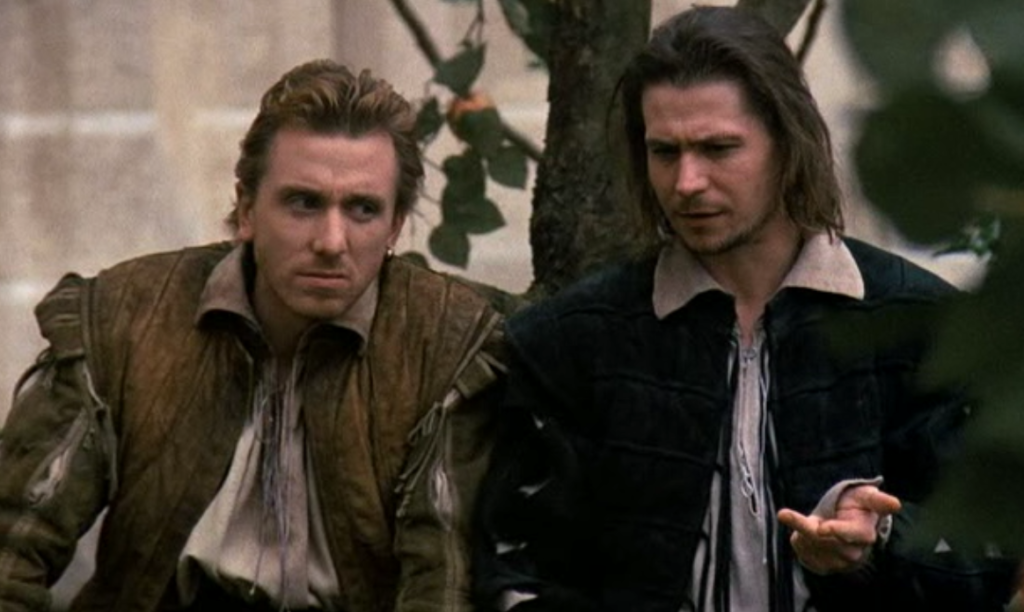
In a beautiful and, alas, already old 1990 film, Rosencrantz and Guildestern Are Dead, director Tom Stoppard engages the two protagonists (played by the great Tim Roth and Gary Oldman), childhood friends of Hamlet, on their journey to Elsinore, in complex and absurd discussions about the nature of “chance” and “death.” From reflections on the imponderable, the two begin a series of digressions about where they are going and why, without reaching a certain conclusion.
Comic artist Antonio Mondillo and writer Michele Assante del Leccese certainly resembled Rosencrantz and Guilderstern, when, in search for the right words to answer the question that would inevitably come from the audience at the Napoli Comicon panel, where they had been sent by Aurea Editoriale to represent the fiftieth anniversary of the two magazines Skorpio and Lanciostory.

What was the truth about Aurea Editoriale’s suspension of publication? Was it true that Skorpio and Lanciostory were now suspended, and in limbo? And would they ever return?
The two authors, like the two protagonists in Stoppard’s film, almost seemed to want to flip a coin, as if leaving the answer to chance.
The answer, in this case, however, isn’t in the wind, as Bob Dylan would sing, but in the official documents that have been filed in court, which reportedly confirmed the publishing house’s situation.
They said they would investigate, because in reality it’s best not to venture into the swamps of tax justice, to avoid hasty interpretations.
Let’s stick to the facts: for now. Lanciostory and Skorpio aren’t dead, but it initially appeared they were suspended in a limbo from which it was difficult to know if they would ever see a return.
Since initially publishing this article, we understand from informed contacts that the company has decided to pause publication of its titles for some months, in order to implement new distribution strategies and make pending payments to some contributors. We await further developments.
The Aurea Editoriale Story
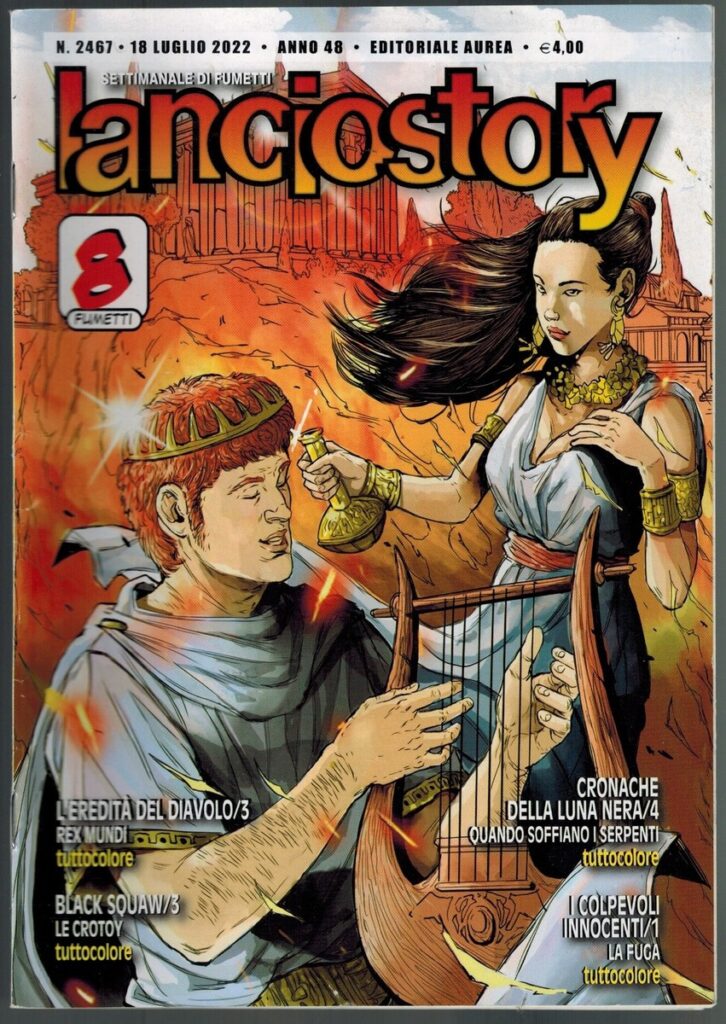
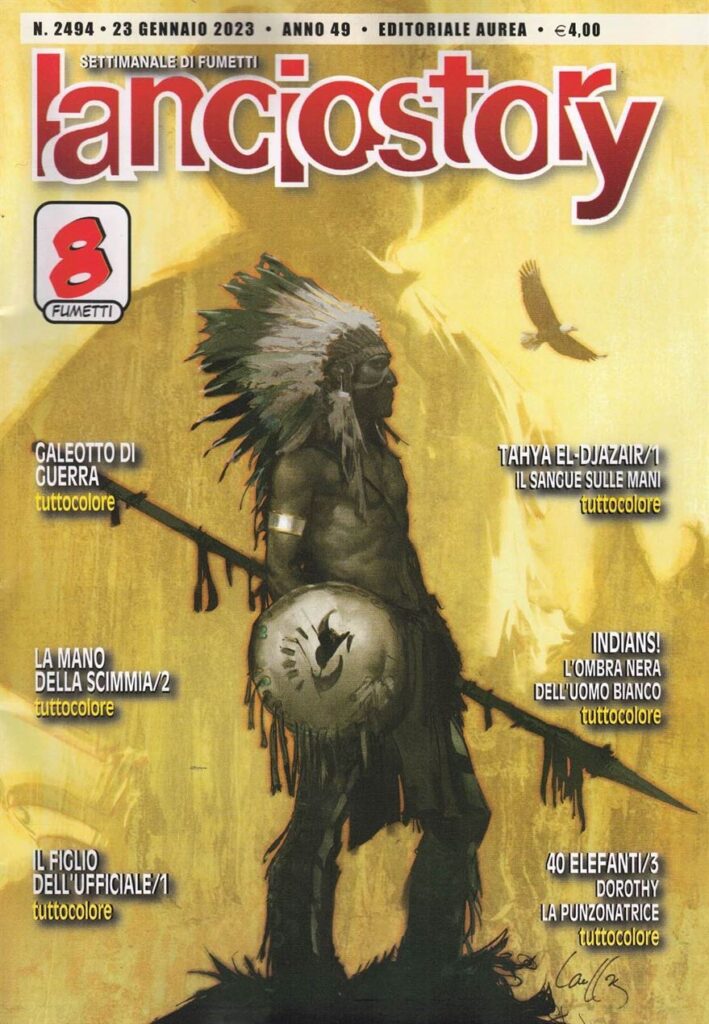
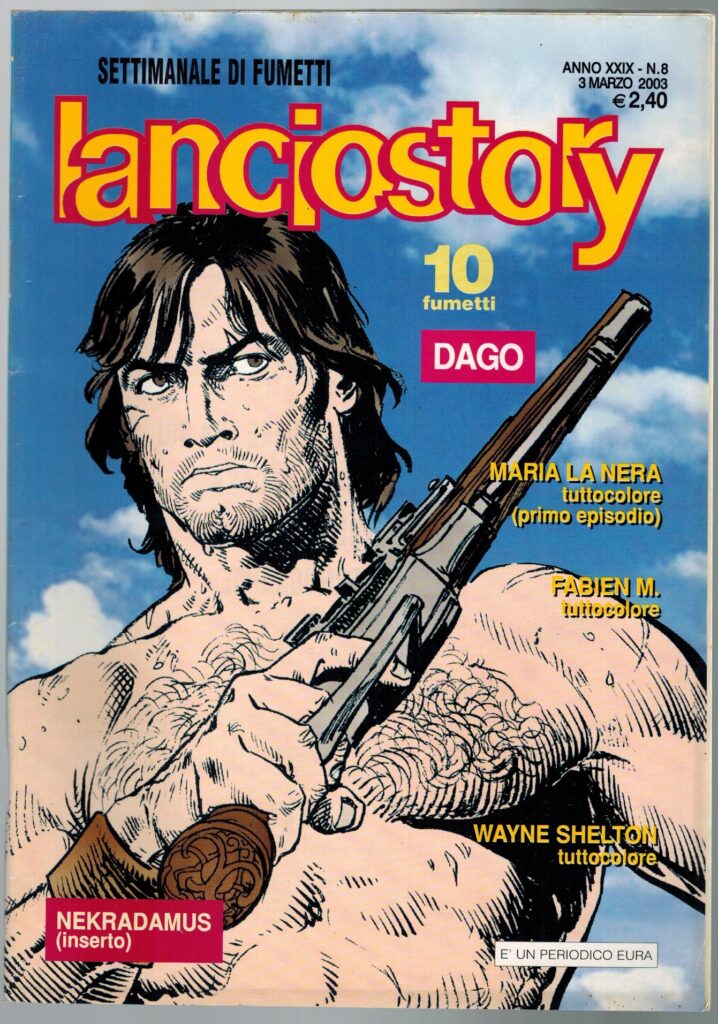
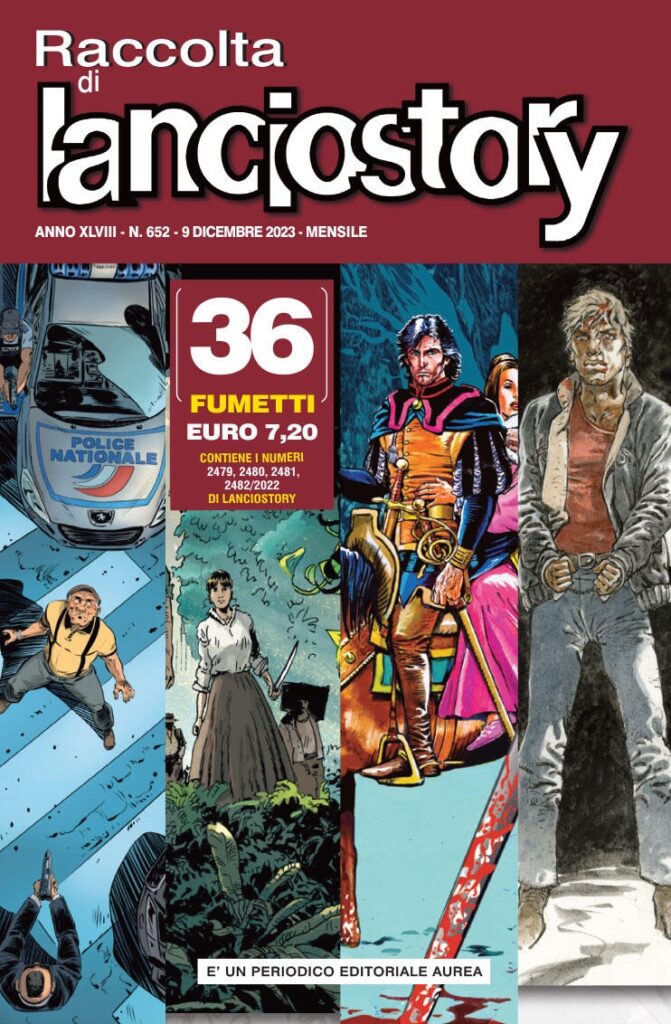
So what has Aurea Editoriale meant for the Italian publishing scene and beyond?
Aurea Editoriale fully reflects the older and more legendary Eura Editoriale, of which it represents the direct continuation.
Eura Editoriale, as described on Wikipedia, is an Italian comics publishing house based in Rome, active from 1974 to 2009. It was founded in 1974 by Michele Mercurio, Filippo Ciolfi and Stelio Rizzo, to publish the weekly comics magazine Lanciostory, which debuted in the spring of 1975. It was joined, two years later, by the weekly Skorpio, which takes its name and some of its content from the Argentine magazine of the same name, which was discussed on Fumettomania Factory in a series of in-depth historical articles, starting with this one (in Italian).
Both magazines, similar in format and content, innovated the concept of comics in Italy, at the time still a medium rigidly divided into popular comics and art comics, publishing from the beginning various quality series, mainly by South American authors, for whom there
was no clear separation between popular comics and art comics. Those artists where previously little known to the Italian public, such as the writers Héctor German Oesterheld, Robin Wood, Carlos Trillo, Guillermo Saccomanno, and the artists Alberto and Enrique Breccia, Juan Zanotto, Domingo Mandrafina, Enrique Alcatena.
The publisher’s two historic titles were joined in 1988 by Euracomix, a hardback series partially reprising series serialized in the two magazines, and three series of monographic albums published from 1993 to 1995, dedicated to particularly successful comics such as Dago, Martin Hell and Cybersix,
In 1997, the series I giganti dell’avventura was launched, continuing the single-volume reprint of a selection of series published in Skorpio and Lanciostory. This was joined in 2000 by Euramaster, dedicated to the works of French and Belgian comics artists.
In 2003, Eura launched the John Doe series, which received considerable critical and commercial acclaim nationwide. A similar initiative was followed in 2005 with Detective Dante, in the same Bonelli format as John Doe. In 2008, a new Italian series was launched in Bonelli format: Unità Speciale, written by Cinzia Tani, while the next year saw the launch of Phantom, an anthology in comic book format featuring stories about the eponymous character, drawn from Egmont’s vast Swedish production.
In 2009, the publishing house suddenly ceased publication, but resumed in 2010 as Editoriale Aurea.
Over the years, Eura Editoriale has published over twenty-five thousand stories in its titles, showcasing authors and themes often marginalised in the world of Italian comics.
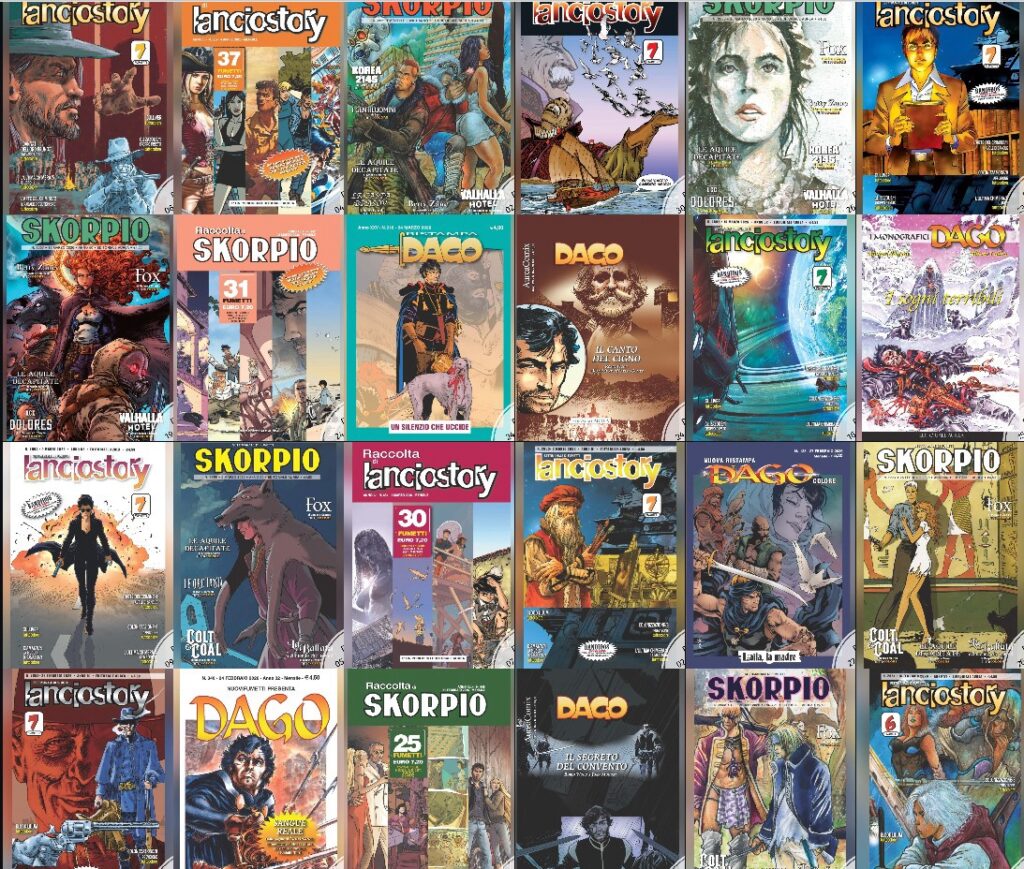
From an initial failure, Editoriale Aurea was born, founded and led by Enzo Marino, former sales director of Eura Editoriale, and Sergio Loss, who took over the baton from the previous publishing house, acquiring the rights to all titles published by the historic Roman publishing house. This enabled a completely seamless transition between the two publishing houses, allowing the two magazines, Lanciostory and Skorpio, and the Euracomix and Euramaster series, now incorporated into the anthology Aureacomix, to continue publishing. The publication of John Doe by Roberto Recchioni and Lorenzo Bartoli was also resumed, but due to its lack of success, it was almost immediately discontinued.
Despite the failure to relaunch “John Doe” and strong in the selling of its two main titles, Aurea decided to launch new editorial projects that, over time, proved to be little short of failures, such as the monthly newsstand miniseries Alice Dark and Long Wei, which closed after just a few issues.
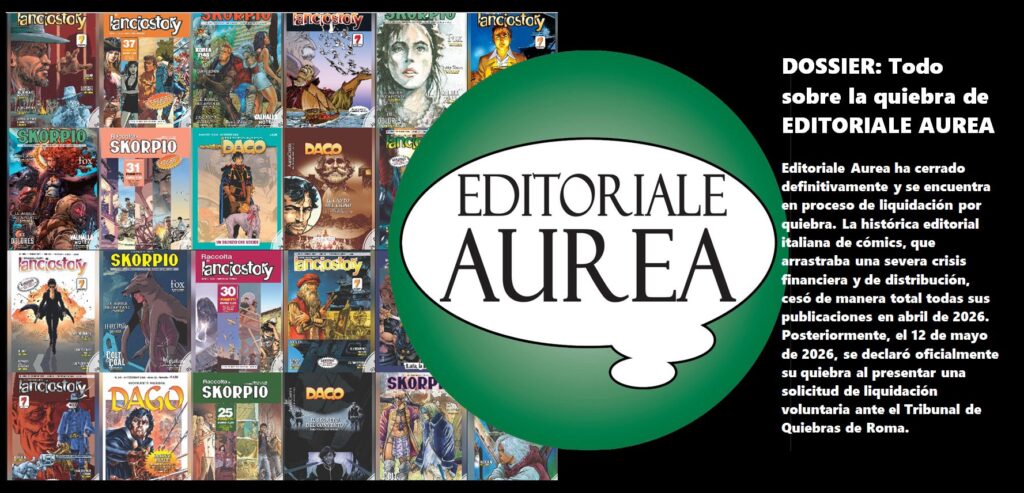
The news of the suspension of Editoriale Aurea’s publications on 6th April, and the reported filing for bankruptcy at the Rome Bankruptcy Court on 12th May, was reported with infinite sadness by many authors and experts in Argentina due to the two magazines’ strong ties to the world of historietas. However, fortunately, it now appears there is some hope for the titles after all.
A very interesting dossier is available here on Facebook.
Reaction to Reported Closure
Emilio Balcarce, who published his work in both magazines for years, commented on the news on his Facebook page in a post dated May 24th:
“With deep sadness, I regret to announce that, although the historic Editoriale Aurea has not officially closed, it has suspended publication of the weekly magazines Lanciostory and Skorpio since April, which have disappeared from newsstands. Their publishing activity appears to have completely stopped, and they have put their offices up for sale.
“I have worked for them for almost half a century, 49 years since 1977. Italy was my second comics homeland, although the first in terms of readership: in Argentina I worked for 20,000 and there for 50,000. They published the first three books of my career when they were called Eura, which I post here, and they bought over a thousand scripts from me, also being a source of work for many other Argentine scriptwriters and artists. So it is very sad to say goodbye, dear Aurea, eternally grateful.”
Crisis on the Italian Newsstand
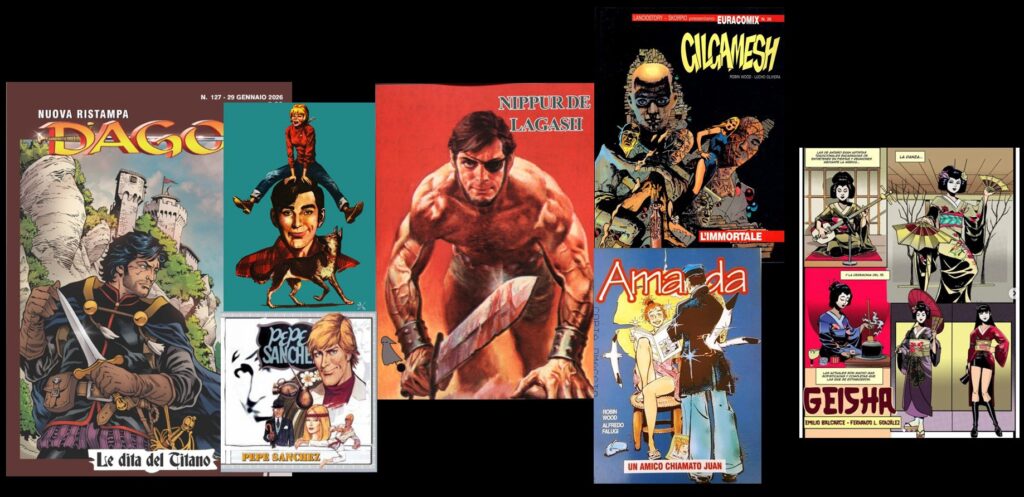
The suspension of publication of two venerable magazines and the reported troubles of their publisher, is part of a more complex crisis in Italian comics in general, and newsstand distribution in particular.
Publications by Eura, first, and then Aurea, have always been characterised by being newsstand-produced, meaning they were almost exclusively available at kiosks and only partially available for purchase online, in comic book stores, and in bookstores.
The newsstand crisis has inevitably overwhelmed the editorial press, which was already facing uncertainty a few months ago when it switched from its traditional stapled format to a paperback.
The poor reception of the new format among traditional readers led the editorial press to take a step back and return to the stapled format.
But what strategies did the publishing house employ to try to survive? Few, and poorly publicised.
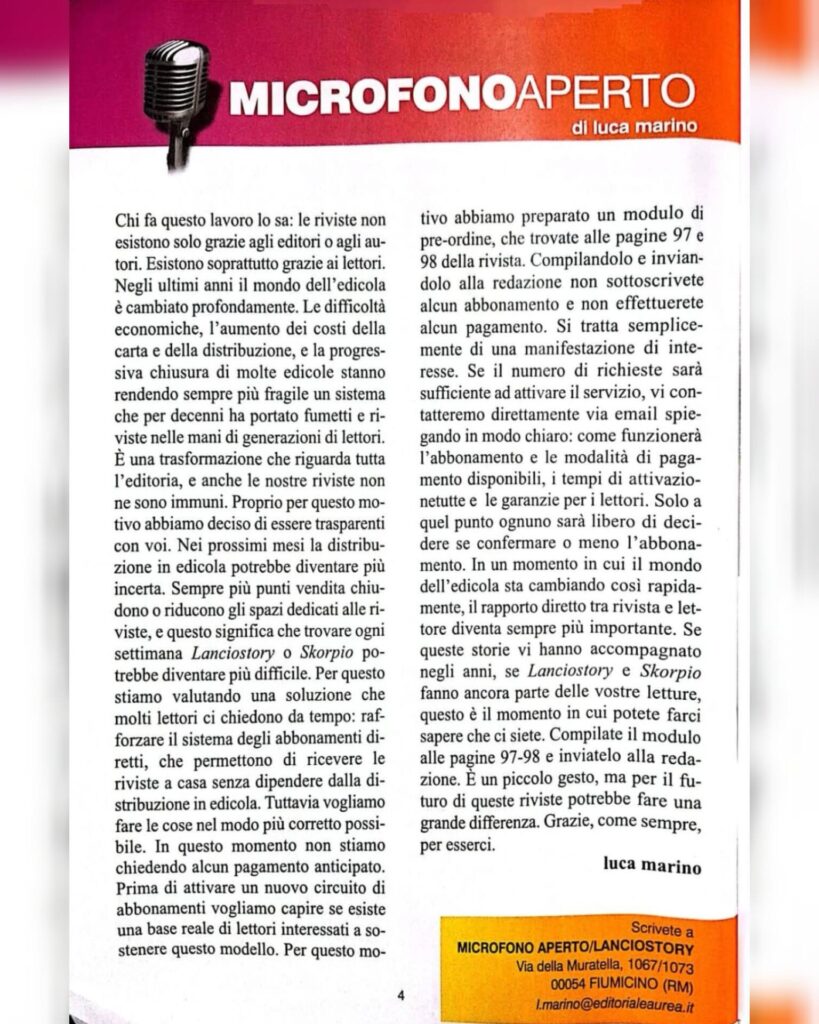
It’s sobering that in 2026, given the existence of media outlets where one can advertise and post anything with any slant one wants, the last page of the last published issue of the two magazines included a request to fill out a form, which was scanned and sent by email, asking readers to express their preference regarding whether to participate in a subscription campaign.
That’s all? You might declare. Yes, Pretty much.
Two glorious magazines were already feeling the strain of the times and a lack of updating in content and format. As noted by the young audience at the panel, why not open up to digital, or focus more on distribution in bookstores or comic book stores?
At Napoli Comicon, our own Rosencrantz and Guildestern couldn’t respond effectively, as if they were still waiting, like the two characters in the film, for a confrontation with Hamlet.
The fact remains that, if the path of bookstores and comic book stores seems impossible due to difficult distribution mechanisms, and if digital is a pipe dream, then the future of Skorpio, Lanciostory and Dago, above all, is bleak.
However, for our part, as optimistic people, we hope, as do others, and their publisher, to see a return of Lanciostory and Scorpio by the end of the year, at the latest.
If not, then perhaps it will end, as in so many other cases, with another, more “powerful” publishing house acquiring the catalogue and offering us ancient and never-forgotten pocket historietas in high-quality hardbacks at a high price.
Who knows.
Meanwhile, like Rosencrantz and Guildenstern, we remain on guard, awaiting further news from Elsinore.
Damiano Gallinaro
Head downthetubes for…
• NordEst: Lanciostory e Skorpio chiudono i battenti?
• Fumettomania: L’EPOCA D’ORO delle HISTORIETAS (1950-80), di Damiano Gallinaro
• Fumettomania: DA FIERRO AL FUTURO DE LAS HISTORIETAS, di Damiano Gallinaro
• Fumettomania: LAS HISTORIETA ARGENTINAS. Dalle Origini alle prime Editrici Specializzate
With much thanks to Daniele Tomasi for coordinating this item
This article was updated and substantially revised on Monday 8th January to correct the confusion over the status of the publisher
- About the Author
- Latest Posts

One of many guest posts for downthetubes.
Categories: Comics, downthetubes Comics News, downthetubes News, International Comic News
Related Articles
-
 This Week’s UK Graphic Novel Releases – 7th September 2026
-
 Celebrating TINA comic’s Tenth Anniversary in style, back in 1977 – in Holland
-
 BookWalker Celebrates 10 Years of Kodansha Partnership with Major Global Anniversary Event
-
 Crying Out for an English Edition: L’Inca blanc by Serge Perrotin and Alberto Foche
Great article !
They also carried the Daily Star’s Beau Peep strip translated into Italian (where Beau was known as “Beep”!).
A 50-page Beep Peep supplement was published in 1994, and 4 Beep Peep books were issued between 2001 and 2003. They were similar to the UK annuals, but had different covers.
There’s a few photos on the Beau Peep history website .